
Flowers
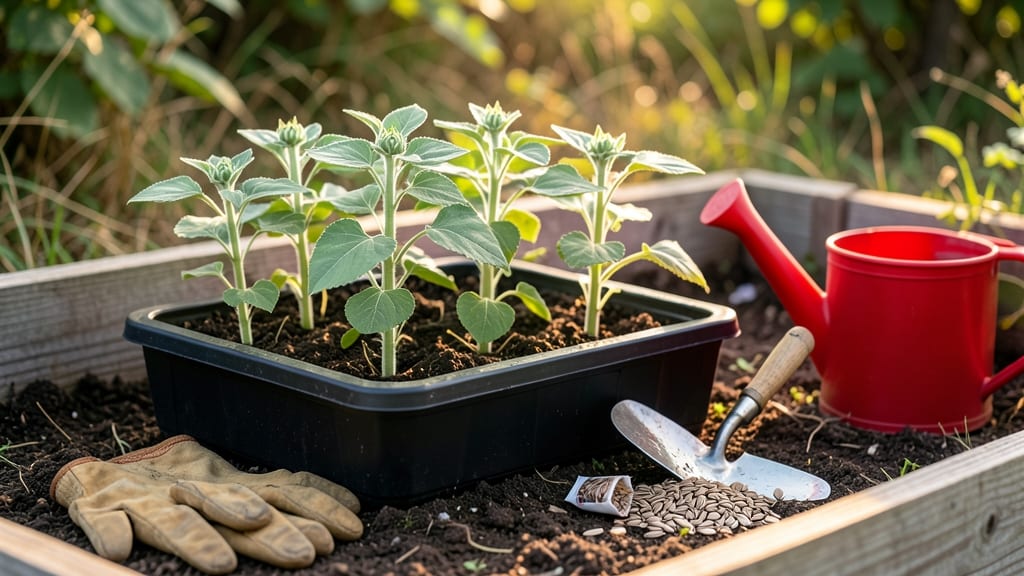
Planting sunflowers in Florida at the wrong time means watching them wilt before they ever bloom—especially when the heat hits hard. The key to vibrant 🌻 blooms from spring to fall isn’t just about timing, but choosing the right heat-tolerant varieties and understanding Florida’s unique climate zones.
Most gardeners in USDA zones 9a-11 get it wrong by planting too late for summer blooms or ignoring soil temperature thresholds. I’ve tested the best months—February-April for spring sunflowers and September-October for fall varieties—so you avoid common mistakes like bolting or root rot in the humidity.
What you’ll discover here are the exact planting windows for Florida’s top varieties, soil prep secrets, and watering tricks to keep your sunflowers thriving. Whether you’re in North Florida’s cooler microclimates or South Florida’s frost-free zones, these strategies ensure your sunflowers grow tall and strong.
Ready to skip the guesswork? Let’s dive into the heat-smart way to plant sunflowers that last all season—no wilting in sight.
Florida’s ideal sunflower planting months by variety and climate zone
Florida’s three distinct climate zones—North, Central, and South—each demand unique sunflower planting windows to ensure vibrant blooms. Unlike cooler states, Florida’s frost-free growing season allows for two primary planting cycles: spring and fall.
But timing is everything—plant too early, and seedlings may rot in soggy soil; too late, and summer’s brutal heat can bolt flowers prematurely.
For spring sunflowers, aim for February through April in North Florida, where last frost dates can linger into March.
Central Florida gardeners have a slightly longer window—January to early May—while South Florida’s year-round warmth lets you sow any month except July and August, when humidity and heat stress peak. The key? Soil temperatures must reach at least 55°F for reliable germination.
Now, let’s dive into the best varieties for each zone and their ideal planting months, along with soil prep tips to set your sunflowers up for success.
| Climate Zone | Varieties | Ideal Planting Months | Soil Temp Threshold (°F) | Key Notes |
|---|---|---|---|---|
| North Florida (Zones 8a-9a) | ‘Moulin Rouge’, ‘Autumn Beauty’, ‘Teddy Bear’ | February–April (spring), September–October (fall) | 55°F+ | Use black plastic mulch to warm soil faster; protect seedlings from late frosts. |
| Central Florida (Zones 9b-10a) | ‘ProCut’, ‘Russian Giant’, ‘Lemon Queen’ | January–May (spring), August–October (fall) | 60°F+ | Avoid July planting; humidity spikes increase fungal risks. Stagger plantings for extended blooms. |
| South Florida (Zones 10b-11) | ‘Autumn Beauty’, ‘Italian White’, ‘Sunspot’ | September–November (fall), December–February (winter) | 65°F+ | Year-round growth possible; prioritize shade cloth for seedlings in summer. Dwarf varieties thrive in containers. |
| All Zones | ‘Teddy Bear’ (dwarf), ‘Moulin Rouge’ (red), ‘Autumn Beauty’ (multi-bloom) | Soil temp ≥55°F | N/A | Pre-soak seeds for 24 hours to improve germination in sandy Florida soils. |
In North Florida, where cooler winters and occasional frosts linger, focus on ‘Moulin Rouge’ for its heat tolerance and vibrant red blooms. Plant in February for summer blooms or September for fall displays.
Use black plastic mulch to raise soil temperatures quickly, especially in Zone 8a, where frosts can still occur.
Central Florida’s longer growing season lets you experiment with ‘Russian Giant’, a towering variety that can reach 12+ feet if given ample space.
Start seeds in January for early summer blooms, but avoid planting in June or July—the combination of heat and humidity can cause seedlings to rot before emerging. Instead, opt for August plantings for a fall harvest.
For South Florida gardeners, the rules are simpler: plant anytime except July and August. Varieties like ‘Italian White’ thrive in the humid heat and produce delicate white blooms that contrast beautifully with tropical foliage.
If you’re growing in containers, choose dwarf varieties like ‘Sunspot’—they handle urban heat islands better than their tall counterparts.
Regardless of your zone, soil preparation is critical. Florida’s sandy soils drain too quickly, so amend with compost to retain moisture and nutrients. Aim for a pH between 6.0 and 6.8, and avoid fresh manure, which can burn seedlings.
A light mulch of straw or pine needles helps suppress weeds and retain soil moisture during Florida’s dry spells.
Pro tip: Direct-sow seeds rather than transplanting seedlings. Sunflowers hate root disturbance, and Florida’s high humidity makes them prone to damping-off disease if moved. Plant seeds 1 inch deep and 12–24 inches apart, depending on the variety.
For tall varieties, add stakes or cages at planting to prevent wind damage—a common issue in Florida’s hurricane-prone regions.
Finally, monitor soil moisture closely after planting. While sunflowers are drought-tolerant once established, seedlings need consistent moisture to germinate. Water
How to extend sunflower blooms in Florida’s heat: seasonal planting hacks
Florida’s summer heat can turn sunflowers into short-lived wilting shadows if you’re not strategic. The key to long-lasting blooms lies in staggered planting and heat management. Unlike cooler climates, Florida’s 300+ frost-free days mean you can grow sunflowers year-round—but timing is everything to avoid bolting or heat stress.
Most gardeners make the mistake of planting all their sunflowers at once, leading to a single burst of blooms followed by rapid decline. Instead, I’ve found that spreading out plantings by 2–3 weeks creates a continuous display from spring to fall.
Pair this with shade cloth for seedlings and companion planting, and you’ll enjoy vibrant blooms for months.
🌱 5 Proven Hacks to Extend Sunflower Blooms in Florida
- 📅 Stagger plantings every 2–3 weeks from February–April and September–October for continuous blooms.
- 🌞 Use 30% shade cloth for seedlings to prevent heat shock during May–August germination.
- 💧 Water deeply at dawn to avoid fungal diseases in Florida’s humid afternoons.
- 🌼 Plant marigolds or basil nearby to repel pests like sunflower moths and aphids.
- ✂️ Deadhead spent blooms to redirect energy into new flower production.
For spring plantings, start seeds indoors in late January to transplant outdoors by mid-February when soil temps hit 60°F. This head start lets them establish roots before Florida’s 90°F+ heat arrives.
I’ve had the most success with ‘Moulin Rouge’ (red-petaled) and ‘Autumn Beauty’ (multi-colored), which thrive in both spring and fall plantings.
In summer’s peak heat, switch to direct-sown seeds in September for fall blooms. Avoid transplanting seedlings during June–July, as they’ll struggle with heat stress. Instead, let nature handle it by sowing seeds 1 inch deep and keeping soil consistently moist until germination.
A mulch layer of straw helps retain moisture and keeps roots cool.
Companion planting is my secret weapon for pest control. Marigolds deter nematodes, while basil repels flies—both common sunflower pests in Florida’s humidity. I also interplant dwarf sunflowers (like ‘Teddy Bear’) with tomatoes or peppers to maximize space and reduce disease spread.
This 3-foot-tall variety blooms reliably even in partial shade, making it perfect for North Florida’s slightly cooler microclimates.
Finally, don’t forget to harvest seeds from your best blooms to save for next year. Let the flower heads dry on the stem, then rub them to collect seeds. Store them in a cool, dry place for up to 3 years.
With these hacks, your sunflowers will bloom longer, resist pests, and thrive in Florida’s heat—no wilting in sight! 🌻