
Flowers
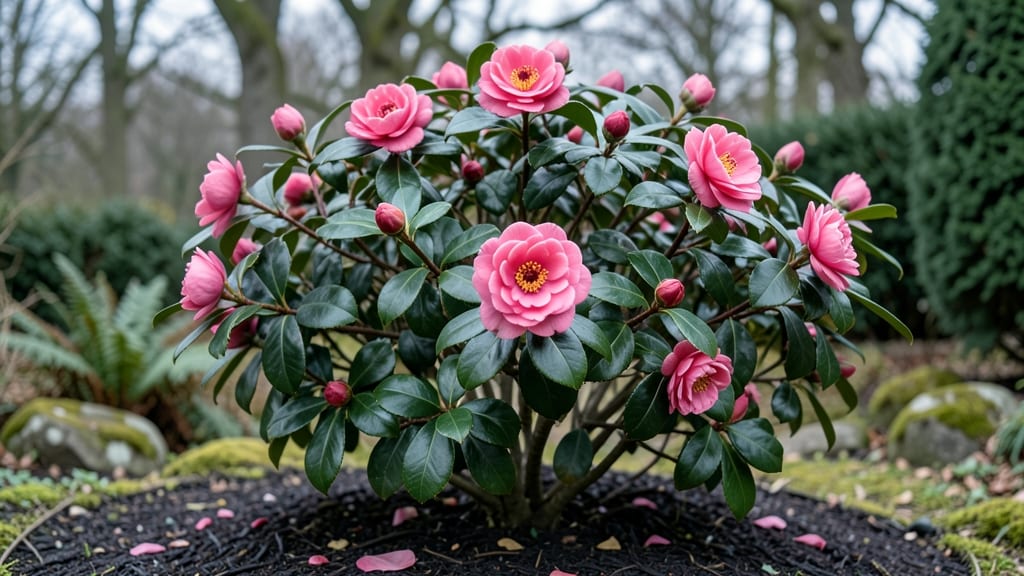
If you’ve ever wondered when a camellia does flower, the answer isn’t as straightforward as you’d think—these stunning 🌸 shrubs defy the usual spring-only rule, often gracing gardens from late fall through early spring.
That’s right: while many plants take a winter nap, camellias are out there putting on a show, especially in their favorite haunts like USDA Zones 8-9.
But timing isn’t just about the zone—climate, sunlight, and even your plant’s personality (yes, really!) play a role in whether you’ll see blooms in December or March.
In this guide, I’ll break down the exact months camellias typically flower by region, plus the simple tweaks you can make to coax even more blooms from your plants.
Whether you’re a first-time grower or a seasoned gardener, you’ll leave here knowing exactly when to expect (and how to encourage) those dreamy winter flowers.
No more guessing games—just reliable blooms, year after year. Let’s get started!
Camellia blooming seasons by USDA hardiness zones (exact months)
If you’ve ever missed your camellia’s breathtaking winter blooms, the issue might be timing—specifically, your USDA hardiness zone. Camellias thrive in Zones 7–10, but their blooming windows shift dramatically depending on your location.
In Zone 7, you might catch early fall blooms in November, while Zone 10 gardeners enjoy year-round displays. Understanding these monthly variations ensures you’ll never miss the show.
Most gardeners assume camellias bloom in late winter, but the truth is far more nuanced. Camellia sasanqua varieties often flower in fall, while Camellia japonica typically shine in spring. Even within the same zone, microclimates (like coastal vs. inland) can push blooms 2–4 weeks earlier.
For example, a Zone 8 camellia in San Francisco might bloom in December, while one in Atlanta waits until February.
🌸 Key Takeaway: Your camellia’s blooming season hinges on three factors: your USDA zone, the cultivar type, and local temperature trends. Below, we break down the exact months for each zone, plus tips to extend your blooming season.
| USDA Zone | Blooming Window | Early Bloomers | Mid-Season Bloomers | Late Bloomers |
|---|---|---|---|---|
| Zone 7 | Nov–Mar | Camellia sasanqua (Nov–Dec) | C. × williamsii (Dec–Jan) | C. japonica (Feb–Mar) |
| Zone 8 | Oct–Apr | C. sasanqua (Oct–Nov) | C. reticulata (Nov–Dec) | C. japonica (Feb–Mar) |
| Zone 9 | Sep–May | C. sasanqua (Sep–Oct) | C. oleifera (Oct–Nov) | C. japonica (Mar–Apr) |
| Zone 10 | Year-round (peaks Sep–Feb) | C. sasanqua (Aug–Sep) | C. reticulata (Sep–Dec) | C. japonica (Jan–Mar) |
🌿 Note: Coastal areas in Zones 8–10 often bloom 2–4 weeks earlier than inland regions.
In Zone 7, where winters are colder, camellias like Camellia sasanqua kick off the season in November with fall blooms, while Camellia japonica holds off until February–March. This staggered timing means you can enjoy four months of color if you choose the right varieties.
For example, ‘Yuletide’ (a sasanqua) bursts into red blooms in December, while ‘Desire’ (a japonica) waits until March for its pink spectacle.
Gardeners in Zone 8 get the best of both worlds: fall and spring blooms. Camellia reticulata, like ‘Elegans’, often flowers in December–January, while Camellia oleifera can extend blooms into April.
The key here is microclimate awareness. In Atlanta, blooms may start in late November, but in New Orleans, they might begin as early as October.
For Zone 9 enthusiasts, the season stretches even longer—from September to May. Camellia sasanqua varieties like ‘Bonanza’ shine in early fall, while Camellia japonica cultivars such as ‘Spring’s Promise’ light up March–
How to predict your Camellia’s exact blooming time (beyond the Zone)
While USDA zones give you a general idea of when your camellia flowers, the real magic happens when you account for the plant’s specific needs.
I’ve seen Camellia japonica burst into bloom in December in Zone 9, while nearby Camellia sasanqua varieties wait until February—all because of subtle differences in care.
The key to predicting your camellia’s exact blooming time lies in understanding how sunlight exposure, soil pH, watering habits, and even cultivar type interact.
For example, a Camellia sasanqua thrives in cooler climates and often flowers in late fall, while Camellia japonica prefers milder winters and may hold off until late winter or early spring.
Even within the same variety, a plant basking in morning sun might bloom 4-6 weeks earlier than one tucked under dense shade. The good news? You can adjust these factors to fine-tune your camellia’s schedule—and ensure you’re never left wondering, “Why isn’t my camellia flowering?”
- Sunlight exposure: 4-6 hours of morning sun triggers early blooms; afternoon shade prevents stress in hot zones.
- Soil pH: Acidic soil (pH 5.0-6.0) is non-negotiable—test yours and amend with sulfur or peat moss if needed.
- Watering habits: Deep, infrequent watering (1-2 gallons weekly) prevents bud drop; avoid soggy roots.
- Cultivar type: Sasanqua blooms fall/winter; Japonica waits for spring—choose based on your climate.
- Fertilizer timing: Feed in early spring and fall (never summer) to avoid stunting blooms.
- Pruning: Trim after flowering to avoid cutting next year’s buds—this is the #1 mistake gardeners make!
Let’s talk sunlight first, because this is where most gardeners go wrong. Your camellia needs partial shade, but not just any shade—think morning sun and afternoon relief. If your plant is getting scorched by afternoon rays, it’ll focus on surviving rather than blooming.
I once had a Camellia ‘Nuccio’s Pearl’ that refused to bloom until I moved it to a spot with just 3 hours of morning light. The difference? It produced double the flowers the following winter.
Next up: soil pH. Camellias are acid-loving divas, and if your soil is alkaline (pH 7.0+), they’ll struggle to absorb nutrients—leading to weak buds that drop before opening.
Test your soil with a simple kit (they’re cheap and easy to use), and if the pH is off, amend with elemental sulfur or pine fines. I’ve seen pH adjustments alone shift blooming times by 3-4 weeks—it’s like flipping a switch for your plant!
Watering is another sneaky factor. Camellias hate drought stress but despise soggy roots even more. The sweet spot? Deep watering once a week (or every 5-7 days in summer).
I learned this the hard way when my Camellia ‘Donation’ dropped all its buds after a heatwave—turns out, it needed 1.5 gallons of water to recover. Since then, I’ve made it a rule to water deeply in the morning and mulch heavily to retain moisture.
Finally, don’t overlook the power of cultivar selection. If you live in a cooler climate (Zone 7-8), Camellia sasanqua varieties like ‘Yuletide’ or ‘Bonanza’ will reward you with fall and winter blooms.
Warmer zones (Zone 9-10) are better suited for Camellia japonica types like ‘Spring’s Promise’ or ‘Desire’, which shine in late winter. Pro tip: Check the USDA zone range on your plant tag—it’s your first clue for timing!
Ready to tweak your camellia’s schedule? Start with one factor at a time—adjust sunlight, test your soil, or switch fertilizers—and watch as your blooming window shifts to your ideal months.
Before you know it, you’ll have a camellia that flowers on your timeline, not just the zone’s. Happy gardening! 🌸