
Flowers
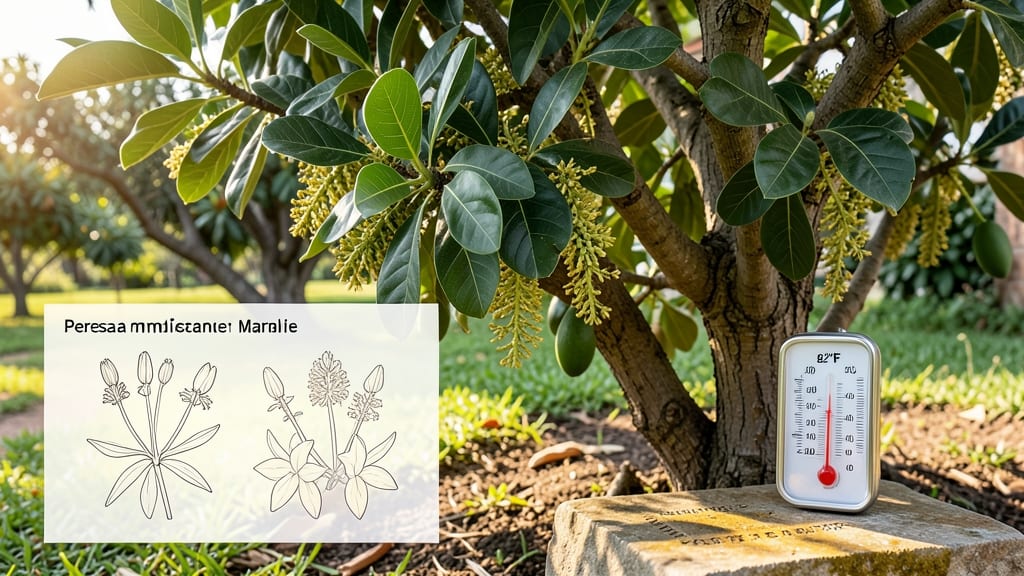
If you’ve ever stared at your 🥑 avocado tree wondering why it’s not flowering—or when those delicate blossoms might finally appear—you’re not alone.
The timing of avocado flowering is one of the trickiest parts of growing these tropical giants, and getting it right can mean the difference between a lush harvest and years of patience.
Most avocado trees in General (Tropical/Subtropical Regions)—like USDA zones 9-11—follow a predictable cycle, but the exact timing depends on whether your tree is a Type A (spring bloomer) or Type B (fall bloomer).
For indoor growers in cooler zones, mastering these seasonal triggers is even more critical since you’re essentially creating a microclimate. Let’s break down what you need to know to encourage those first blossoms.
The key to avocado flowering lies in temperature shifts, daylight hours, and even the tree’s age. Younger trees often take 3-5 years to flower, while mature specimens may bloom year-round in frost-free zones.
But here’s the catch: even when flowers appear, fruit set isn’t guaranteed. Understanding these nuances will help you create the perfect conditions for success.
Ready to unlock the secrets of your avocado’s flowering cycle? I’ll walk you through the exact seasonal cues to watch for, plus proven techniques to trigger blooms—so you can finally go from bare branches to a tree heavy with fruit. Let’s get started.
Avocado flowering seasons by climate Zone: what to expect
Understanding avocado flowering seasons starts with recognizing two key varieties: Type A (spring bloomers) and Type B (fall bloomers). These types require cross-pollination for fruit set, so planting both varieties near each other maximizes your chances of harvest.
In USDA zones 9-11, where avocados thrive year-round, timing shifts slightly based on microclimates like coastal areas versus inland regions.
Temperature plays a critical role in triggering blooms. Type A varieties need cool winter nights (below 60°F) to break dormancy, while Type B varieties respond to warm fall days (above 75°F).
Daylight hours also influence flowering—longer days in spring signal Type A trees, while shortening days in fall prompt Type B blooms. Humidity matters too; drier conditions can delay flowering, especially in Zone 10 and above.
Here’s how flowering windows vary by zone: In Zone 9, Type A blooms appear February-March, while Type B flowers emerge September-October. Moving to Zone 10, blooms shift slightly earlier: Type A in January-February and Type B in August-September. In Zone 11, flowering is nearly year-round, but peaks still align with seasonal cues—Type A in late winter and Type B in early fall.
Regional variations can shift these windows by weeks or even months. For example, coastal California (Zone 9-10) sees Type A blooms as early as January due to milder winters, while inland Arizona may delay them until March because of hotter days.
In Florida’s Zone 10-11, humidity spikes can postpone Type B blooms until late October, whereas drier Miami might see them in September.
Microclimates—like urban heat islands or shaded groves—also affect timing. A tree in a paved city might bloom 2–4 weeks earlier than one in a rural orchard due to retained heat.
Conversely, shady spots can delay blooms by 3–6 weeks because they don’t receive the full sunlight needed for optimal growth. Even a 5°F temperature difference nightly can shift flowering by 10–15 days.
Age matters too: Young avocado trees (under 5 years) often bloom but drop flowers due to limited energy reserves. Mature trees (10+ years) produce heavier, more reliable blooms because they’ve built up stored nutrients.
If your tree is 3–5 years old, focus on balanced fertilization and consistent watering to encourage stronger blooms next season. Pruning to open the canopy also improves air circulation, reducing flower drop.
Watch for pre-bloom signs: New growth at branch tips, tight flower buds forming, or a sweet scent in the air. In Type A trees, buds swell in late winter, while Type B buds appear in early fall as small, greenish-yellow clusters.
If you notice buds forming but not opening, it could signal nutrient deficiency (like zinc or boron) or stress from overwatering. Adjust care immediately to save potential blooms.
For container-grown avocados, flowering can be unpredictable because pots dry out faster and lack the thermal mass of in-ground soil. If your tree is in a container, move it to a sheltered spot during cool nights to mimic Zone 9 conditions and trigger blooms.
Use well-draining soil with added compost to prevent root stress, which can halt flowering entirely. Mulch heavily to stabilize soil temperature and reduce watering fluctuations.
Remember: Patience is key. Even under ideal conditions, avocado trees can take 3–5 years to produce reliable fruit after planting. If your tree isn’t flowering yet, check for root-bound containers, poor drainage, or lack of sunlight.
Small adjustments—like repotting, adding organic matter, or relocating to full sun—can make all the difference in next season’s blooms.
How to trigger avocado flowering: proven techniques for home growers
Avocado trees are famously slow to flower—often taking 3 to 5 years before producing blooms. But with the right techniques, you can accelerate flowering and improve fruit set. The key lies in mimicking natural conditions that trigger blooming, including temperature shifts, pruning strategies, and nutrient balance.
Unlike tropical plants that bloom year-round, avocados rely on seasonal cues to flower, making timing critical for home growers.
Most avocado varieties require a period of cooler temperatures (though not freezing) to break dormancy and stimulate flowering. In warmer climates like USDA zones 9-11, this often means a dry, mild winter with temperatures dipping to 50-60°F (10-15°C) at night.
For indoor trees or those in cooler zones, you’ll need to create these conditions artificially—and I’ll show you how.
Type A varieties (e.g., Hass, Fuerte) bloom in late winter/early spring (Feb-Apr) after cool weather. Type B varieties (e.g., Reed, Bacon) flower in fall (Sept-Nov) following summer heat. Indoor trees may never flower without proper temperature manipulation—chilling is non-negotiable for most varieties.
Mistake to avoid: Overwatering or fertilizing during dormancy can delay flowering. Solution: Reduce watering by 50% in winter and skip fertilizer entirely until new growth appears.
If your avocado tree isn’t flowering, start with temperature adjustments. For outdoor trees, ensure it experiences 4-8 weeks of cooler nights (below 65°F/18°C). In containers or indoors, move trees to a cool garage or basement (but avoid frost).
A grow light on a timer can help simulate natural daylight changes, which also trigger blooming.
Pruning plays a surprisingly big role in encouraging flowers. Focus on selective pruning to open the canopy and improve airflow—this mimics the natural thinning that occurs in wild trees.
Remove suckers and dense growth in late winter or early spring, just before flowering season. Never prune heavily during active growth, as this stresses the tree and delays blooms.
Nutrients are another critical factor. Avocados need balanced fertilization with a focus on phosphorus and potassium (e.g., 6-6-6 or 8-3-9 NPK ratio) to support flowering.
Avoid high-nitrogen fertilizers, which promote leafy growth at the expense of blooms. Micronutrients like zinc and boron are also essential—deficiencies can prevent flower formation entirely.
Finally, watering habits matter. During the dormant period, reduce watering to every 2-3 weeks to encourage root development. Overwatering keeps trees in a growth mode and prevents the hormonal shifts needed for flowering. Once blooms appear, increase watering to support fruit set, but avoid soggy soil.
With these techniques, you can trigger flowering in as little as 1-2 years instead of waiting decades. Patience is key—avocados are sensitive, but the rewards of homegrown fruit are worth the effort. 🌱