
Blooming
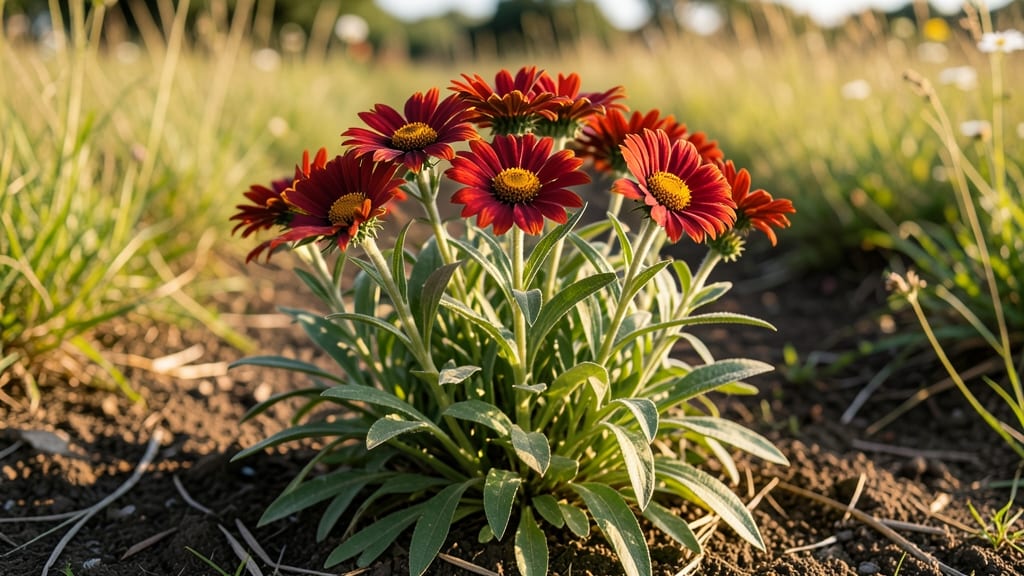
If you’ve ever planted Blanket Flower 🌼 and wondered when does the blanket flower bloom, you might be surprised to learn that timing is everything—and your local climate plays a bigger role than you think.
These cheerful blooms typically burst into color from June through October, but whether you’re in a hot desert or a cooler mountain region, their schedule can shift dramatically.
For gardeners in USDA Zone 6a (like many northern regions), the magic usually starts around early June, just as the soil warms and days stretch longer. But don’t be fooled—late frosts or unusually cool springs can delay things, while heatwaves might push blooms to start earlier.
The key to getting those vibrant red-and-yellow 🌼 flowers when you want them lies in understanding your microclimate.
Here’s the good news: Blanket Flowers are perennials, meaning they’ll return year after year if you plant them right in spring (April–May). With the right soil, sunlight, and a little patience, you can coax them into blooming earlier—or stretch their season well into fall.
Let’s break down exactly how to time it perfectly for your garden.
Whether you’re a first-time planter or a seasoned gardener, knowing these tricks will help you avoid missed opportunities. From pruning tips to soil prep, I’ll share the easiest ways to ensure your Blanket Flower 🌼 puts on its best show—right when you’re ready to enjoy it.
Blanket flower blooming season: month-by-month timeline (and why it varies)
Blanket flower (Gaillardia) thrives in summer heat, but its bloom timing depends heavily on your USDA zone and local climate. In most regions, you’ll see vibrant red-and-yellow blooms from June through October, but early or late bloomers can push that window even wider.
Understanding these patterns helps you plan your garden for maximum color impact.
The key to predicting bloom times lies in temperature triggers and daylight hours. Blanket flowers are long-day plants, meaning they respond to increasing daylight—perfect for summer gardens. However, cool springs or hot summers can shift their schedule by weeks. Let’s break down what to expect month by month.
| Month | Bloom Stage | USDA Zones 3–6 | USDA Zones 7–10 | Pro Tip |
|---|---|---|---|---|
| June | Early Blooms | First flowers appear | Full bloom begins | Deadhead spent blooms to encourage more flowers |
| July | Peak Bloom | Full, vibrant blooms | Most colorful displays | Water deeply in drought-prone areas |
| August | Extended Bloom | Blooms may slow in cooler zones | Still strong, especially in heat | Fertilize lightly with low-nitrogen mix |
| September | Late Bloomers | Fewer blooms, but some varieties continue | Second flush of flowers | Cut back faded stems for winter |
| October | Frost Sensitivity | Blooms stop with first frost | May survive light frost | Mulch to protect roots in colder zones |
In cooler climates (USDA zones 3–6), blanket flowers often start blooming in late June and peak in July. However, if your spring is unusually cold, expect delays—some varieties may not even bloom until August.
I’ve seen this firsthand in Zone 5 gardens, where a late frost can push back the timeline by weeks.
Warmer regions (USDA zones 7–10) enjoy a longer season, with blooms starting as early as May in southern states like Texas or Florida. In these areas, blanket flowers often rebloom in fall if temperatures stay mild.
For example, in Zone 9, I’ve watched them flower continuously from June through November.
Another factor is variety selection. Some blanket flowers, like ‘Arizona Sun’, are bred for early blooming, while others, such as ‘Fanfare’, may wait until July to really shine.
If you’re planting for a specific event, check the seed packet or nursery tag—it often lists expected bloom times.
To extend your blanket flower’s season, try these simple hacks: Deadhead regularly to encourage new blooms, and mulch heavily to keep roots cool in summer.
In Zone 8 and above, I’ve had success by planting in partial shade during peak heat—this tricks the plant into blooming later in the season.
One common mistake is assuming all blanket flowers bloom at the same time. In reality, early bloomers (like ‘Mesa Red’) may start in June, while late varieties (such as ‘Goblin’) might not peak until August.
Mixing these in your garden ensures continuous color from summer through fall.
If you’re in a transition zone (USDA 6–7), pay attention to soil temperature. Blanket flowers need soil to warm to at least 60°F before they’ll bloom reliably. Use a soil thermometer to check—if it’s cooler, wait a few weeks before expecting flowers.
Finally, don’t forget that rainfall patterns play a role. In dry summers, blanket flowers may bloom earlier to take advantage of moisture, while wet springs can delay flowering. Adjust your watering schedule to keep the soil consistently moist but not soggy—this helps maintain a steady bloom cycle.
How to ensure your blanket flower blooms earlier (or later) than average
Want your Blanket Flower 🌼 to burst into color weeks ahead of schedule—or extend its show well into fall? The secret lies in understanding how these plants respond to light, temperature, and pruning. Unlike many flowers, blanket flowers are surprisingly flexible, but timing your interventions wrong can backfire spectacularly.
Let’s dive into the proven tricks that actually work, so you’re not left staring at green stems when you expected bright blooms 🌻.
First, soil warmth is your biggest ally for early blooms. Blanket flowers need soil temperatures above 60°F (15°C) to trigger flowering. If your spring is cool, consider planting in black plastic mulch or using heat-absorbing landscape fabric to warm the soil faster.
This can shave off 2–3 weeks from their bloom timeline. For later blooms, delay planting until mid-May or use shade cloth to slow early growth.
Now, here’s where most gardeners go wrong: over-fertilizing with nitrogen. Too much nitrogen promotes leafy growth at the expense of flowers. Instead, switch to a low-nitrogen, high-phosphorus (5-10-10) fertilizer in early spring to encourage blooms.
Apply it lightly—just 1 tablespoon per plant—and water it in immediately to avoid burning roots. This small adjustment can make the difference between a lush green bush and a flowering powerhouse 🌼.
⚠️ Common Mistake: Pruning at the Wrong Time
Pruning Blanket Flower too late in the season (after July 1st) can delay or prevent fall blooms. Early pruning (right after the first flush of flowers) encourages reblooming, but cutting back in late summer forces the plant to focus on root growth instead of new blooms. Wait until after the first frost to do any major pruning for next year’s growth.
Strategic companion planting can also nudge your blanket flowers into blooming earlier. Pair them with fast-growing annuals like marigolds or cosmos, which attract pollinators and stimulate flowering. Avoid planting near overly competitive perennials like mint or creeping Charlie, which can steal nutrients and shade out your blanket flowers.
A sunny, open spot with minimal competition ensures they get the energy they need for abundant blooms ☀️.
Light exposure is another game-changer. Blanket flowers need full sun (6+ hours daily), but if your garden is shady, consider moving them to a sunnier location or using reflective mulch (like white gravel) to bounce extra light onto their leaves.
In containers, place them on a south-facing patio where they’ll get maximum sunlight. Even an extra 2 hours of light can push blooms to start 1–2 weeks earlier.
Finally, don’t underestimate the power of deadheading. Snip off spent blooms regularly to encourage continuous reblooming throughout the season. Use clean, sharp bypass pruners and cut just above a set of leaves to promote new growth.
This simple habit can extend your blanket flower’s display by 4–6 weeks into fall. With these tricks, you’ll have stunning blooms on demand, no matter what your local climate throws at you.