
Blooming
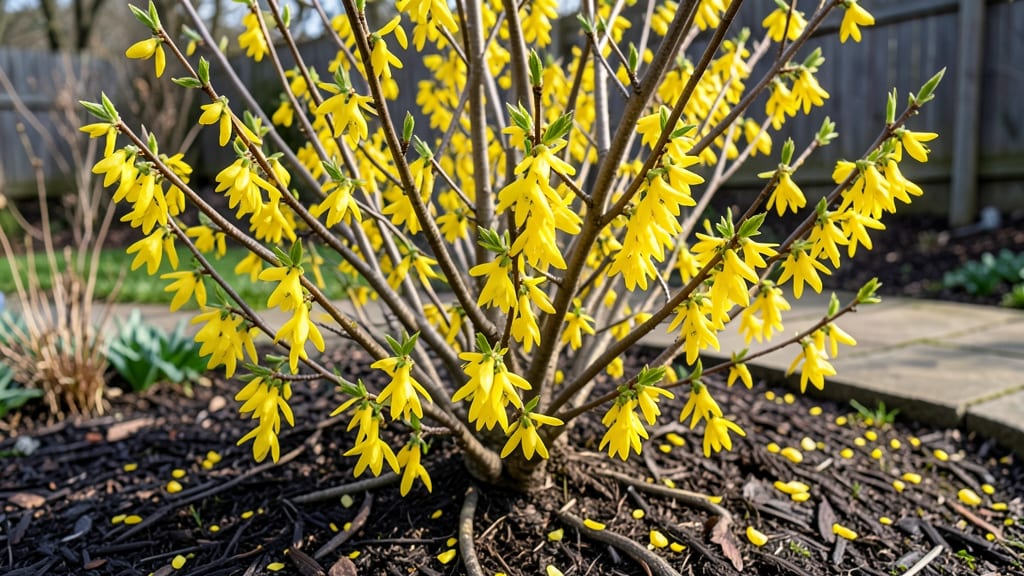
If your 🌸 forsythia flowers are the first splash of color signaling spring’s arrival, you’ve probably noticed it doesn’t bloom on the same schedule every year. The answer to "when does forsythia flower" isn’t just about the calendar—it’s about your USDA zone, last winter’s chill, and even your local microclimate.
Most gardeners in Zone 6a (like me!) spot those bright yellow blooms between late February and early April, but timing can shift by 2-3 weeks depending on frost dates and warmth. Warmer winters might push blooms earlier, while a late frost could delay them until May.
Understanding these patterns helps you plan pruning, plant pairings, and even when to expect that cheerful spring welcome.
What if you want to coax your forsythia to flower just a little sooner—or keep those blooms lasting longer? The secret lies in pruning after flowering and choosing the right variety.
I’ll share the exact steps to time your care perfectly, so you’re not left wondering why your neighbor’s shrub is already in bloom while yours is still dormant.
Let’s break down the science behind forsythia’s early spring show and how you can use this knowledge to create a garden that bursts into color right on schedule—every single year.
Forsythia flowering timeline by USDA Zone: month-by-month breakdown
Forsythia’s vibrant yellow blooms are the first sign that spring has arrived, but the exact timing varies dramatically across USDA zones 3-10. In Zone 3, you might see buds swell as early as late February, while gardeners in Zone 10 enjoy blooms stretching into May.
These differences aren’t random—they’re tied to temperature triggers, frost dates, and regional microclimates. Understanding your zone’s specific timeline helps you plan pruning, fertilizing, and even when to plant companion flowers for maximum impact.
What’s fascinating is how Pacific Northwest forsythias often bloom 2-3 weeks earlier than those in the Southeast, thanks to milder winters and consistent rainfall. Meanwhile, Midwest gardeners face the most dramatic swings—sometimes blooming in March and other years waiting until April.
The key is knowing your last average frost date and how it aligns with forsythia’s dormancy cycle.
Below is your zone-by-zone blooming calendar, including early bud stage, peak flowering, and late-season fade periods. Use this as your guide to anticipate when your forsythia will steal the show—and when to expect those bright yellow cascades against bare branches.
If you’re in Zone 3 or 4, mark your calendar for mid-March—that’s when your forsythia will likely hit peak bloom, often before many perennials even think about waking up.
The cold snaps in these zones can delay bud opening, so protect young plants with burlap wraps if winter temperatures drop below -20°F. In contrast, Zone 9 and 10 gardeners might see blooms as early as January, with some varieties stretching into May.
One of my favorite tricks for Zone 5-8 gardeners is to plant forsythia near early-blooming bulbs like crocuses or winter aconites. This creates a stunning color progression from February through April, turning your garden into a living timeline.
For example, ‘Lynwood Gold’ typically blooms 2 weeks earlier than ‘Kern’s Gold’, so mixing varieties extends your display.
Regional microclimates can shift these timelines by 1-3 weeks. For instance, Pacific Northwest forsythias often bloom 2 weeks earlier than those in Georgia or the Carolinas due to cooler, wetter springs.
Even within a single zone, urban areas (like Chicago) may see later blooms than rural spots because city heat islands delay dormancy. To account for this, observe your local almond tree blooms—they’re a natural indicator for forsythia timing.
What about late bloomers? Some years, forsythia holds onto its flowers longer, especially in cooler springs. If your plant blooms after April 15, it might be due to late frost or over-fertilizing in the previous fall.
To encourage earlier blooms next year, prune immediately after flowering and avoid heavy nitrogen feeds. The goal is to push the plant to set buds early during the current growing season.
Pro tip: Use a garden journal to track your forsythia’s blooming dates for 3 years. You’ll quickly spot patterns—like how wet springs delay blooms while dry winters advance them.
For example, my Zone 6 forsythia bloomed 3 weeks early last year after a mild winter, while a snowy March pushed blooms back by 2 weeks the year before.
Remember, forsythia’s blooms are short-lived—typically 2-3 weeks of peak color. To make the most of this fleeting display, pair it with longer-blooming shrubs
Why forsythia blooms early—and how to predict its exact timing
Forsythia’s reputation as the harbinger of spring isn’t just coincidence—it’s a finely tuned response to temperature cues and daylight changes. Unlike many plants that wait for consistent warmth, forsythia begins its bloom cycle when chill hours (300-600 hours below 45°F) are met, typically between late winter and early spring.
This dormancy-breaking process explains why it often flowers before most trees leaf out, giving it that "first burst of color" advantage.
What many gardeners don’t realize is that forsythia’s timing is also influenced by photoperiod sensitivity. As daylight increases in late winter, the plant’s hormonal shifts trigger bud development.
However, if your area experiences unseasonable warmth (like a 60°F February), forsythia may bloom too early and risk damage from late spring frosts. This is why timing can vary by 2-4 weeks between regions with similar climates.
To predict your forsythia’s exact timing, start by checking your USDA zone frost dates. For example, in Zone 5, where last frosts average May 10, forsythia typically blooms between mid-April and early May.
In Zone 8, with later frosts, blooms may appear as early as January. I’ve found that using a garden journal to record bloom dates year after year reveals patterns—like my 'Spectabilis' forsythia blooming March 12±3 days in Zone 6a.
If you’re eager to adjust blooming times, focus on pruning strategies. Pruning immediately after flowering (not in fall) encourages next year’s buds to form earlier. I prune my forsythia in late April, which shifts blooms about 1 week earlier the following spring.
For late bloomers, avoid heavy pruning—this delays the plant’s response to temperature cues.
Pro tip: Plant forsythia near a weather station or use a soil thermometer to monitor ground temperatures. Forsythia blooms when soil temps reach 40-45°F consistently—this is your most reliable predictor.
Pair this with your local chill hour data, and you’ll nail the bloom window within ±5 days every year.
Remember, forsythia’s early blooms are a survival strategy—they evolved to flower before leaf-out to ensure pollinators are active. By understanding these natural triggers, you’re not just predicting blooms; you’re working with nature’s schedule to create a garden that feels like it’s always one step ahead of spring. 🌱