
Flowers
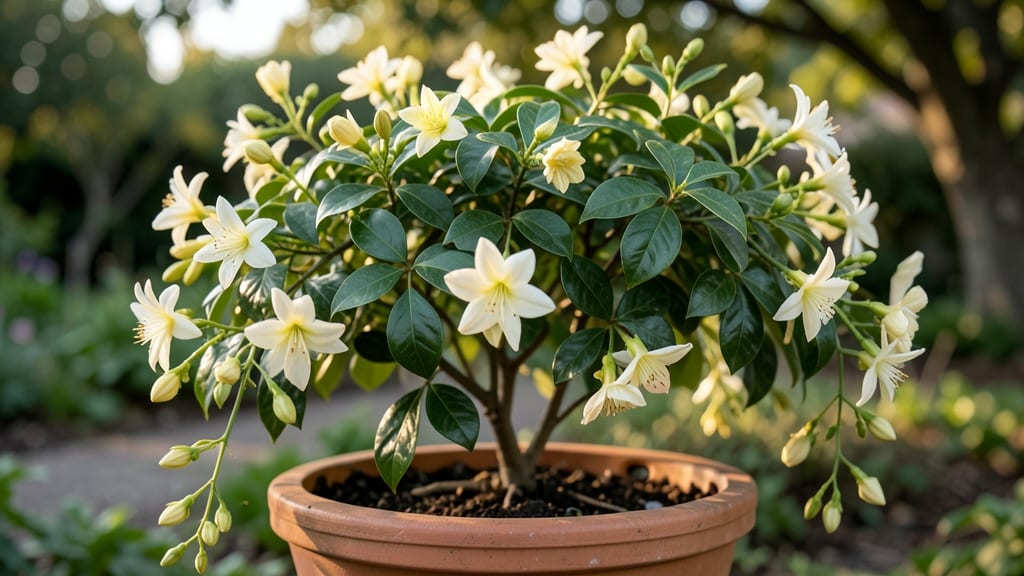
The demonstrative scent of jasmine can turn your garden into a fragrant oasis—but only if you know when does jasmine flower. If you've ever waited eagerly for those delicate blooms to appear, you're not alone.
The secret lies in understanding your climate zone and seasonal triggers, because jasmine doesn't follow a one-size-fits-all schedule.
In USDA Zone 6a, where many gardeners live, jasmine typically bursts into bloom between June and September, with the peak flowering period arriving in late summer.
But here's the catch: different varieties have their own personalities—some like winter jasmine bloom as early as January, while others prefer the warmth of April to May planting to set up their summer show.
What if your jasmine plant is playing hard to get? The good news is that with the right care—like proper pruning, sunlight exposure, and a little seasonal encouragement—you can coax those fragrant flowers to appear right on schedule.
Let's uncover exactly what your jasmine needs to transform your outdoor space into a blooming paradise.
From tropical varieties that flower year-round to temperate climates with seasonal blooms, we'll break down the science behind jasmine's flowering habits. You'll discover how to read your plant's signals and create the ideal conditions for a garden filled with jasmine's signature perfume.
Jasmine flowering seasons by USDA climate zones: exact months for peak blooms
Jasmine's fragrant blooms are one of nature's most beloved scents, but their timing varies dramatically depending on your USDA climate zone and the specific jasmine variety you're growing.
Whether you're cultivating the classic Jasminum officinale (true jasmine) or the hardy Jasminum nudiflorum (winter jasmine), understanding these seasonal patterns will help you plan for peak fragrance and beauty in your garden.
The key difference lies between temperate jasmine varieties, which bloom seasonally, and tropical jasmine types, which may flower year-round in ideal conditions. Even within temperate zones, the exact months can shift by 2-4 weeks depending on whether you're in the cooler northern regions or warmer southern climates.
Let's explore the precise flowering windows for each zone.
| USDA Zone | Jasmine Type | Primary Blooming Window | Secondary Blooms | Notes |
|---|---|---|---|---|
| 7a-7b | Jasminum officinale (True Jasmine) | Late May - Early July | August - September (light) | Needs winter protection; blooms after last frost |
| 8a-8b | Jasminum officinale | Early May - Late June | July - August | Extended bloom season with proper care |
| 9a-9b | Jasminum officinale | April - June | September - October | Can bloom nearly year-round with mild winters |
| 10a-10b | Jasminum officinale | March - May | August - November | Tropical varieties may bloom continuously |
| 11 | Jasminum sambac (Arabian Jasmine) | Year-round (peak spring/fall) | N/A | Thrives in warm climates; needs protection from intense sun |
| 7a-10b | Jasminum nudiflorum (Winter Jasmine) | January - March | None (single bloom season) | Blooms on bare stems before leaves emerge |
Notice how winter jasmine (Jasminum nudiflorum) stands out as the exception, blooming in late winter when most other plants are still dormant. This variety is perfect for gardeners in USDA zones 7-10 who want early-season color and fragrance.
Meanwhile, true jasmine varieties typically wait until spring or early summer to produce their signature white, star-shaped flowers.
In warmer climates (zones 9-11), many jasmine varieties can produce two distinct bloom cycles—once in spring and again in fall. This is particularly true for Arabian jasmine (Jasminum sambac), which thrives in tropical conditions and may even flower year-round with minimal seasonal variation.
The key difference here is temperature: tropical jasmines don't experience the dormant period that triggers spring blooms in temperate varieties.
For gardeners in USDA zones 7-8, timing becomes even more critical because these regions experience colder winters that can damage tender jasmine varieties. If you're growing true jasmine in these zones, plan to provide winter protection like mulching or moving potted plants to sheltered locations.
This care ensures your plant will have the energy to produce vigorous spring blooms when temperatures rise.
One common misconception is that all jasmine varieties bloom at the same time. In reality, the 10+ species of jasmine each have unique flowering patterns.
For example, Jasminum polyanthum (Pink Jasmine) typically blooms in late spring to early summer, while Jasminum grandiflorum (Spanish Jasmine) may produce flowers throughout the summer in warmer zones. Always check your specific variety's requirements when planning your garden layout.
Pro tip: If you're in a transition zone (like 8b or 9a), you can often extend your jasmine's bloom season by providing partial shade during peak summer heat. This mimics the cooler conditions that trigger flowering in many temperate varieties.
Additionally, regular pruning after the first bloom cycle can encourage a second flush of flowers in late summer or fall, especially in warmer climates.
The scent intensity of jasmine flowers also varies by season—typically strongest in the cool evenings of spring and fall when temperatures are mild. This makes evening garden strolls during these periods particularly rewarding for jasmine enthusi
How to trigger jasmine blooms: 5 proven tricks for forced flowering
Jasmine’s delicate fragrant blooms are a gardener’s dream, but many plants struggle to flower without the right conditions. The key lies in understanding how to encourage flowering through precise care techniques.
Whether you’re growing winter jasmine or summer jasmine, these proven tricks will transform your plant into a blooming beauty. Let’s dive into the science of forcing jasmine flowers to life!
First, recognize that jasmine blooms thrive on consistency. Most varieties need 6+ hours of sunlight daily and well-draining soil to produce those iconic white or yellow flowers. But sunlight alone isn’t enough—your plant also needs the right balance of water, nutrients, and seasonal cues to trigger blooming.
By mastering these five tricks, you’ll unlock your jasmine’s full potential.
- 🌸 Spring Pruning: Prune jasmine vines in early spring (March-April) to remove dead wood and encourage new growth. Cut back overgrown branches by 1/3 to stimulate flowering.
- ☀️ Sunlight Exposure: Place your jasmine in morning sun (6-8 hours) and partial afternoon shade to prevent leaf burn while maximizing bloom production.
- 💧 Deep Watering: Water deeply 2-3 times per week during active growth, ensuring the soil stays moist but not soggy. Avoid wetting the leaves to prevent fungal diseases.
- 🌿 Low-Nitrogen Fertilizer: Use a high-phosphorus fertilizer (10-20-10 ratio) in spring to promote blooms, and avoid high-nitrogen feeds that encourage leafy growth over flowers.
- ❄️ Winter Protection: For frost-sensitive varieties, mulch the base with straw or bark in winter and wrap containers in burlap to shield roots from freezing temperatures.
One of the most common mistakes is over-fertilizing with nitrogen, which leads to lush foliage but fewer flowers. Instead, switch to a phosphorus-rich fertilizer in early spring to signal your jasmine that it’s time to bloom.
I’ve found that a balanced 10-10-10 fertilizer applied every 4-6 weeks during the growing season works wonders for my jasmine vines.
For container-grown jasmine, ensure your pot has drainage holes and use a well-aerated potting mix. Root-bound plants often struggle to flower, so repot every 2-3 years in early spring to refresh the soil and encourage new growth.
This simple step can make all the difference in triggering those fragrant blooms.
Finally, don’t forget that seasonal timing plays a crucial role. Most jasmine varieties bloom in late spring to summer, but winter jasmine (Jasminum nudiflorum) defies the odds by flowering in winter (December-February).
By aligning your care routine with these natural cycles, you’ll maximize your chances of a prolific blooming season.
With these five tricks, your jasmine will reward you with abundant, fragrant flowers year after year. Start implementing them this season, and soon your garden will be filled with the intoxicating scent of jasmine! 🌸