
Flowers
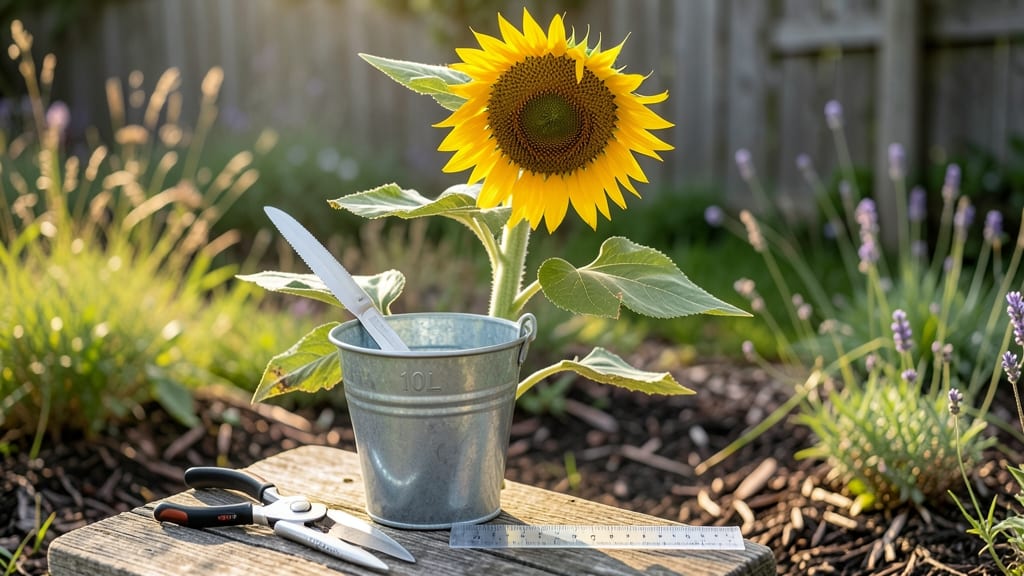
Harvesting sunflowers for cut flowers at the wrong time can turn your stunning 🌻 bouquets into floppy, wilted messes—something no florist wants. The key to long-lasting cut flowers isn’t just when you pick them, but how you spot that perfect moment when their stems shift from green to golden.
Most gardeners assume sunflowers are ready when they bloom, but that’s actually the worst time for cutting. Instead, you’ll want to watch for the subtle color change in the stem and petals that signals peak freshness. This simple trick could add days to your bouquet’s life.
In USDA Zone 6a, sunflowers planted in April-May typically reach harvest time between July and September, but timing varies by variety. I’ll show you exactly which visual cues to watch for—like the back of petals turning yellow—and when to grab your pruners for the freshest stems.
Whether you’re a beginner or a seasoned gardener, these proven techniques will help you cut sunflowers at their prime, ensuring your arrangements stay vibrant for weeks. Let’s get started with the exact moment to harvest for maximum beauty.


How to identify the perfect stem color for Harvesting sunflowers
Harvesting sunflowers at the right moment transforms your garden into a cut flower goldmine. The stem color is your best clue—it shifts from bright green to yellow-green and finally to a golden hue just before peak bloom.
This progression signals when the flower’s sugar content is highest, ensuring longer vase life for your arrangements.
Watch the back of the petals closely—they’ll change from green to yellow-brown as the flower matures. This color shift happens 1-2 days before the petals fully unfurl, giving you a small window to act. Miss it, and your sunflowers may wilt faster in arrangements or even drop their petals prematurely.
Don’t rely solely on petal color, though. The seed head also plays a role. When it’s firm and dry to the touch (not soft or moist), the flower is ready.
A dull brown center is another telltale sign—it means the flower’s energy is focused on the petals, not the seed development.
| Stage | Stem Color | Petal Condition | Seed Head | Action |
|---|---|---|---|---|
| Early Bud | Bright green | Tightly curled | Soft, moist | Not ready |
| Mid-Bloom | Yellow-green | Partially unfurled | Firming up | Monitor closely |
| Peak Harvest | Golden-green | Fully open, flat | Dry, firm | Harvest now! |
| Overripe | Brownish | Drooping petals | Cracking seeds | Too late |
For a foolproof test, use the snap test: Gently bend the stem near the base. If it snaps cleanly (not bends or tears), the flower is ready.
This indicates the vascular system has matured, ensuring better water uptake post-harvest. Skip this step, and you risk flowers that wilt within 24 hours of cutting.
The bend test is another pro trick. Hold the stem at a 45-degree angle—if it bends slightly without breaking, it’s prime for cutting. A stiff stem means it’s too early, while a brittle stem signals it’s past its peak.
Time your harvests for the early morning when stems are hydrated and less likely to snap unexpectedly.
Pro tip: Harvest sunflowers when 2-3 petals have fully unfurled but the rest are still partially curled. This stage ensures the flower continues opening in the vase, creating a dynamic, long-lasting arrangement. Overlooking this detail can leave you with bouquets that look flat or one-dimensional.
Seasonal timing matters too. In USDA Zone 6a, aim for harvests between late July and early September, when daytime temps are warm but nights stay cool. Heatwaves can accelerate the stem color shift, so monitor your sunflowers daily during peak summer months.
If you’re growing dwarf varieties (1-3 ft tall), their stems may turn golden faster than standard types. Always check the back of the petals first—this is your most reliable indicator, regardless of variety. For giant sunflowers (6-14 ft), focus on the lower buds, as these often mature first.
Remember: The perfect stem color isn’t just about aesthetics—it’s about hydration and longevity. A golden-green stem with partially unfurled petals guarantees your sunflowers will thrive in arrangements for 10+ days, not just a few. Now grab those shears and watch your garden become a cut flower masterpiece!
Best practices for cutting sunflowers to maximize vase life
Once you’ve spotted the perfect stem color shift in your sunflowers, the next step is cutting them at the right moment and with the right tools.
I’ve learned through trial and error that a sharp pruner and a clean cut can add days to your bouquet’s life—sometimes even 10+ days instead of the usual 5-7.
Timing matters too: always harvest in the early morning when stems are fully hydrated. This is when the flowers are at their peak freshness, and the stems contain the most water.
Avoid cutting after a heavy rain or late in the day, as this can lead to weaker stems and faster wilting.
For the best results, aim to cut stems that are at least 18-24 inches long. This length ensures stability in your vase and allows for better water uptake.
If your sunflowers are shorter, don’t worry—just trim them to 6-12 inches for smaller arrangements, but always leave enough stem for proper hydration.
⚠️ WARNING: Harvesting Too Late or Too Early Can Ruin Your Bouquet ⚠️
- Cutting when petals are still curled – Stems aren’t fully hydrated, leading to rapid wilting.
- Waiting until seeds mature – Flowers lose moisture and become brittle within 24 hours.
- Using dull tools – Crushed stems can’t absorb water, causing bouquets to droop quickly.
After cutting, immediately place stems in a bucket of lukewarm water (not cold or hot). This helps rehydrate the flowers and removes air bubbles that can block water uptake. Change the water every 2-3 days and trim stems by 1 inch at an angle before reinserting them into the vase.
For long-term storage, wrap stems in a damp paper towel and place them in a plastic bag. Store them in the fridge (not the freezer) for up to 3-5 days before arranging.
This method preserves freshness until you’re ready to create your bouquet. I’ve used this trick for weddings and events, and it’s saved me from last-minute trips to the garden.
Finally, add a commercial flower food packet to your vase water for extra longevity. These packets contain sugars and acids that nourish the stems and prevent bacterial growth. Even a homemade mix of 1 tsp sugar + 1 tsp bleach per quart of water can work in a pinch.
With these steps, your sunflowers will stay vibrant and fresh for weeks.