
Plants
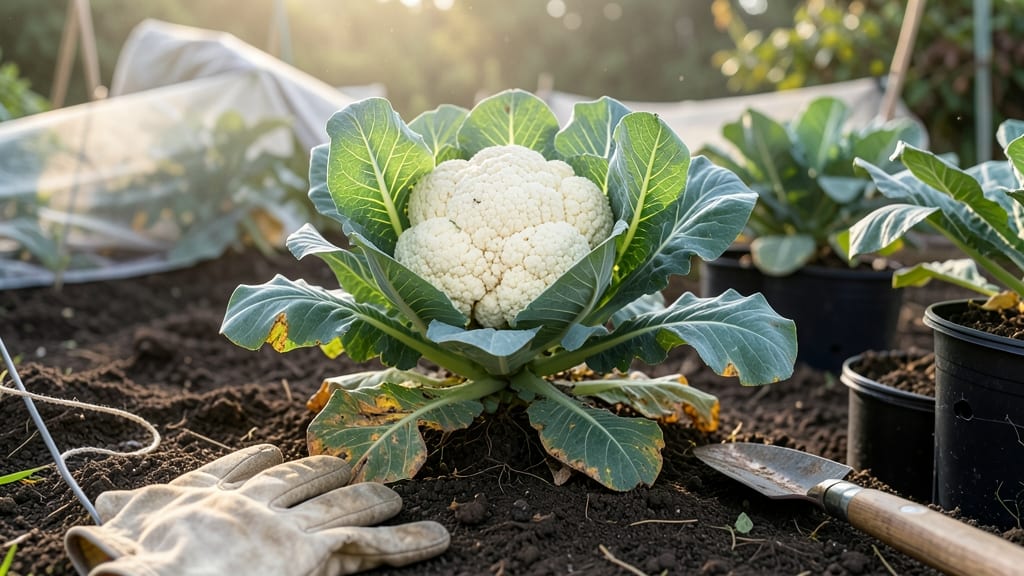
Timing your cauliflower 🥬 planting in Missouri can feel like solving a puzzle—one wrong move, and your crop bolts or rots before harvest. But mastering the spring and fall windows (March-April or July-August) transforms your garden from hit-or-miss to consistently crisp, flavorful heads.
Missouri’s 5b-6b climate throws a curveball with unpredictable frost dates, but the key is working with it—not against it.
Whether you’re starting seeds indoors or sowing directly, knowing when to plant (and which varieties thrive in your zone) makes all the difference between a bountiful harvest and a sad, stunted plant.
I’ve grown cauliflower here for years, and the biggest mistake I see? Planting too early in spring or too late in summer, leaving crops vulnerable to heat stress or frost.
Let me show you the exact calendar and hacks to extend your harvest—so you can enjoy homegrown cauliflower 🥬 from May through October.
From soil prep to frost protection, we’ll cover everything you need to turn Missouri’s quirky weather into your advantage. Ready to grow the best cauliflower of your life?
Missouri cauliflower planting calendar: exact spring vs fall dates by zone
Missouri gardeners know timing is everything—especially when growing cauliflower, which thrives in cool weather but wilts under summer heat. The state’s USDA zones 5b-7a create distinct planting windows, with northern Missouri (zone 5b) having shorter seasons than southern Missouri (zone 7a).
I’ve broken down the exact dates for both spring and fall planting, accounting for frost dates, soil temperatures, and regional variations.
Spring planting in Missouri starts 4-6 weeks before your last frost date, while fall planting requires 100-120 days before the first frost to mature. For example, in St. Louis (zone 6b), spring planting begins in mid-March, while fall planting wraps up by early August.
These windows ensure your cauliflower avoids heat stress and bolting, two common pitfalls in Missouri’s climate.
Here’s the key difference: Spring cauliflower relies on consistent soil temperatures above 40°F, while fall cauliflower benefits from cooler nights and shorter days.
In Kansas City (zone 6a), spring planting is ideal from late March to early April, whereas fall planting should start in mid-July to avoid summer’s oppressive heat.
🌱
| Factor | Spring Planting (Zone 5b-7a) | Fall Planting (Zone 5b-7a) |
|---|---|---|
| Planting Window | Mid-March to early April (Zone 5b) Late March to mid-April (Zone 6b-7a) |
Mid-July to early August (Zone 5b) Late July to mid-August (Zone 6b-7a) |
| Transplant Dates | Early April to mid-May (after last frost) | Late July to early September |
| Soil Temperature | 40-50°F (use row covers if colder) | 50-65°F (avoid >75°F) |
| Days to Maturity | 60-90 days (choose fast varieties) | 80-120 days (longer for fall harvests) |
| Key Risks | Late frosts, slugs, bolting | Heat stress, bolting, early frosts |
| Success Tip | Use row covers for early starts | Plant cold-hardy varieties like 'Snowball Y Improved' |
For northern Missouri (zone 5b), where frost lingers longer, I recommend starting seeds indoors in late February for transplanting in early April. In southern Missouri (zone 7a), you can push spring planting slightly later—until mid-April80°F, which triggers bolting (premature flowering).
Fall planting is trickier but rewarding. In St. Louis, aim to transplant by early August to harvest before mid-October’s first frost. In Southeast Missouri (zone 7a), you might extend harvests into November with row covers.
Always choose late-maturing varieties like 'Chef’s Choice' for fall, as they handle cooler temps better than early varieties.
Missouri’s microclimates add another layer of complexity. Urban areas like Kansas City often experience heat islands, making soil warmer than rural zones. If you’re in a city garden, opt for shade cloth during summer to protect seedlings.
Conversely, rural areas may have colder nights, so use black plastic mulch to retain heat in spring or insulate roots in fall.
Pro tip: Test your soil’s pH (6.5-7.0) before planting—cauliflower is sensitive to acidity. Amend with lime if needed, and always fertilize with balanced 5-10-10 at transplanting. In my zone 6b garden, I’ve found that side-dressing with compost every 3 weeks keeps plants vigorous through Missouri’s humid summers.
Remember, succession planting is your friend. For spring, stagger transplants every 2 weeks to extend harvests. For fall, make a final planting in late July to catch the September-October window before frosts arrive.
With these dates and adjustments, you’ll enjoy crisp, homegrown cauliflower twice a year—no matter where in Missouri you garden.
☀️
5 Critical factors that determine cauliflower success in Missouri gardens
Getting your cauliflower 🥬 timing right in Missouri isn’t just about dates—it’s about understanding how the humid summers and unpredictable cold snaps interact with your plants. I’ve learned that spring and fall plantings face completely different challenges, from soil pH shifts to pest pressure.
Let’s break down the five factors that make or break your harvest, so you can adjust your approach for Missouri’s quirks.
First, soil pH is non-negotiable. Cauliflower thrives in 6.0-6.8 pH, but Missouri’s clay-heavy soils often test higher. I always amend with peat moss or sulfur before planting, especially in spring when moisture can wash away nutrients faster.
Fall plantings, however, benefit from composted manure worked into the soil 4-6 weeks before sowing to give roots a nutrient boost as temps drop.
Next, moisture consistency separates good harvests from disasters. Cauliflower heads need 1-1.5 inches of water weekly, but Missouri’s summer humidity can trick you into under-watering. I use drip irrigation to keep leaves dry and prevent black rot, a common fungal issue.
For fall plantings, reduce watering slightly in September to harden off plants before frost, but never let soil dry out completely.
🌱 Numbered Highlights: Missouri Cauliflower Success Factors
- 🌡️ Soil Temperature: Seedlings need 40-50°F soil for germination. Use a soil thermometer—spring plantings often fail if soil stays too cold.
- 🌞 Shade Tolerance: Spring plants handle partial shade better than summer ones. Use 30% shade cloth in July-August to prevent bolting.
- 🐜 Pest Risks: Cabbage worms and aphids explode in humid summers. Apply neem oil every 10 days or use row covers for young plants.
- 🌧️ Moisture Balance: Spring needs daily watering; fall can go to every 3 days. Overwatering in fall causes rot before frost.
- ❄️ Cold Snap Prep: Fall plantings need row covers by October 1st. Varieties like ‘Snowball Y Improved’ tolerate 25°F better than others.
Don’t overlook shade tolerance, which varies wildly between seasons. My spring plantings often get morning sun and afternoon shade from nearby trees, but summer cauliflower bolts if it gets even partial afternoon shade.
For July-August sowings, I plant in elevated beds with 30% shade cloth to keep temps under 85°F. This simple trick has saved my fall harvests from turning bitter.
Pest pressure is another game-changer, especially in Missouri’s humid summers. Cabbage worms and aphids can decimate plants in 60°F+ temps, but fall plantings see fewer pests.
I rotate between neem oil, pyrethrin sprays, and hand-picking (yes, it works!). For organic gardens, plant nasturtiums as traps—it’s a game-changer for aphid control.
Finally, adjusting for cold snaps is where Missouri gardeners lose the most. I’ve seen fall plantings thrive until a 28°F night wipes them out. The fix? Use row covers by October 1st and choose cold-hardy varieties like ‘Chef’s Choice’ or ‘Purple of Sicily’.
These tolerate 25°F and keep producing until first frost. For spring, harden off seedlings gradually to avoid transplant shock when nights dip below 50°F.
Master these five factors, and your Missouri cauliflower 🥬 will go from hit-or-miss to consistently crisp. Start with soil prep, then dial in watering and shade—your future harvests will thank you. Happy growing!