
Plants
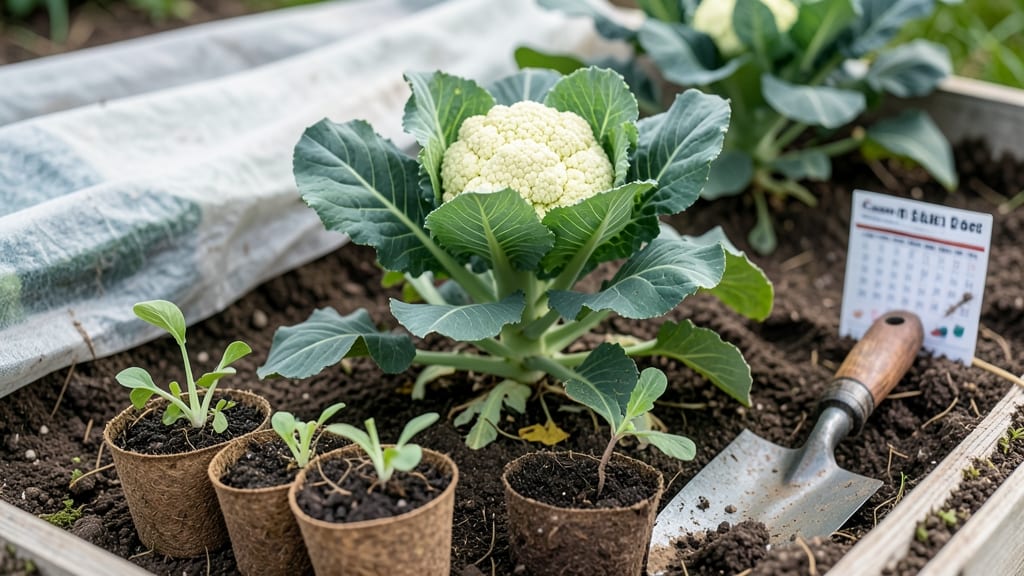
Planting cauliflower in Ohio isn’t just about throwing seeds in the dirt—it’s about timing it perfectly to avoid frost’s wrath or summer’s heat. March to April is your golden window for spring planting, while August offers a second chance for fall harvests, but only if you play by Ohio’s USDA Zone 6a rules.
Miss the mark, and you’ll either watch your seedlings freeze or see your heads bolt in the heat. I’ve grown cauliflower in Ohio for years, and the difference between a thriving crop and a failed one often comes down to these exact dates.
Let me show you how to nail it—from frost dates to soil prep—so you can enjoy plump, tender heads from June to November.
Ohio’s climate throws curveballs, but with the right strategy, you can stretch your growing season. We’ll cover cold-hardy varieties that survive early springs, how to use row covers for extra protection, and when to transplant seedlings for maximum success.
No more guessing—just proven tips tailored to Ohio’s short but productive season.
Ready to grow bigger, better cauliflower? Whether you’re a first-time gardener or a seasoned pro, these insights will help you beat Ohio’s unpredictable weather and harvest like never before. Let’s get your garden prepped!
Ohio cauliflower planting calendar: exact dates by USDA Zone 5-6
Ohio’s USDA Zones 5-6 offer two prime windows for growing cauliflower: spring and fall. The key to success lies in avoiding frost damage while maximizing the 165-day frost-free window. Northern Ohio (Zone 5) typically has a shorter window than southern Ohio (Zone 6), requiring precise timing adjustments.
For spring planting, start seeds indoors 6-8 weeks before your last frost date—usually late February to early March. Transplant seedlings outdoors 4-6 weeks before the last spring frost, which ranges from April 15 (northern Ohio) to April 1 (southern Ohio).
Fall planting should begin 8-10 weeks before the first frost, typically around mid-August.
Microclimates matter! Urban areas like Columbus and Cincinnati (Zone 6) can plant slightly earlier, while rural Toledo and Cleveland (Zone 5) should wait 1-2 weeks longer. Use these guidelines to align with your local frost dates.
Direct sowing cauliflower outdoors is riskier in Ohio due to slow germination (10-14 days) and frost sensitivity. For spring, sow seeds 4-6 weeks before your last frost date—typically May 15 in Zone 5 and April 20 in Zone 6.
Use row covers to protect young seedlings from late frosts.
Fall planting is trickier due to Ohio’s summer heat. Start seeds indoors July 1–15 for transplanting in early August. Choose heat-tolerant varieties like ‘Snowball Y Improved’ or ‘Purple of Sicily’ to avoid bolting (premature flowering) from high temperatures.
Adjust for microclimates: Gardens near lakes or rivers (e.g., Cleveland) may experience later frosts, while inland areas (e.g., Dayton) can plant slightly earlier. Monitor local weather forecasts and use frost-free date calculators for precision.
After transplanting, maintain consistent moisture and mulch to retain soil warmth. Cauliflower heads form best in cool (60–70°F) conditions, so avoid planting during Ohio’s hot July-August stretches. For fall crops, focus on late August starts to ensure harvest before the first frost.
Pro tip: Mark your last frost date on your calendar and count backward 80 days (cauliflower’s average maturity) to determine transplant dates. This method works for both spring and fall plantings across Ohio’s USDA Zones 5-6.
For northern Ohio gardeners, prioritize early maturing varieties like ‘Early Snowball’ (58 days) to fit within the shorter growing season. Southern Ohio gardeners can experiment with mid-season varieties like ‘Romanesco’ (70 days) for larger heads.
Always test your soil’s pH (6.5–7.0) before planting, as cauliflower thrives in slightly acidic to neutral soil. Amend with compost or lime if needed, and fertilize lightly with a balanced 5-10-10 mix at transplanting.
🌱
How to extend Ohio’s cauliflower growing season with success tips
Ohio’s short growing season doesn’t have to limit your cauliflower harvests. With the right strategies, you can push your cauliflower plants to thrive well beyond the traditional spring and fall windows.
The key lies in selecting cold-hardy varieties, using protective row covers, and implementing smart succession planting techniques. These methods help you beat Ohio’s unpredictable USDA Zone 5-6 climate and enjoy fresh heads from June through November.
One of my favorite tricks is starting seeds indoors 6-8 weeks before the last expected frost date—typically mid-March for Ohio. This gives seedlings a head start while protecting them from late spring frosts.
For fall planting, I begin sowing seeds indoors in late July to ensure transplants are ready by early August. This timing allows the plants to mature before the first frost hits in mid-October.
- 1. Choose cold-hardy varieties: Opt for 'Snowball Y Improved' or 'Purple of Sicily'—both tolerate cooler temps and extend your harvest window.
- 2. Use row covers: Protect seedlings with floating row covers during late springs or early falls to shield them from frost and pests.
- 3. Succession plant every 2 weeks: Sow new seeds every 2 weeks in spring and fall to ensure a continuous harvest.
- 4. Mulch heavily: Apply straw or shredded leaves to retain soil moisture and regulate temperature, especially in Ohio’s fluctuating climate.
- 5. Water deeply in the morning: Keep soil consistently moist—deep watering before 10 AM prevents fungal diseases and bolting.
- 6. Fertilize strategically: Use a balanced 5-10-10 fertilizer every 4-6 weeks to support head formation without overfeeding.
- 7. Harvest promptly: Pick heads when firm and compact (6-8 inches wide) to avoid bitter flavors or bolting.
For those late-summer heat waves that Ohio often experiences, I recommend selecting heat-tolerant varieties like 'Graffiti' or 'Cheddar'. These varieties can handle warmer temperatures better than traditional types, ensuring your plants don’t bolt prematurely.
Pair this with shade cloth during peak afternoon heat to protect young plants while they establish roots.
Another game-changer is fall succession planting. After your first fall harvest, clear the space and sow a second crop of fast-maturing varieties like 'Early Snowball'. This method maximizes your garden’s potential and gives you a second chance at a harvest before winter sets in.
Just be sure to use row covers to extend the season by another 2-3 weeks.
Don’t overlook the power of soil preparation. Ohio’s clay-heavy soils can be challenging, but amending them with compost and aged manure improves drainage and nutrient retention. I always test my soil’s pH—cauliflower thrives in neutral to slightly acidic soil (6.0-7.0).
If your soil is too alkaline, a sprinkle of sulfur or peat moss can make all the difference.
With these strategies, you’ll transform Ohio’s short growing season into a year-round cauliflower success story. Whether you’re a beginner or a seasoned gardener, extending your harvest window is entirely achievable with the right planning and care. Happy growing! 🌱