
Planting
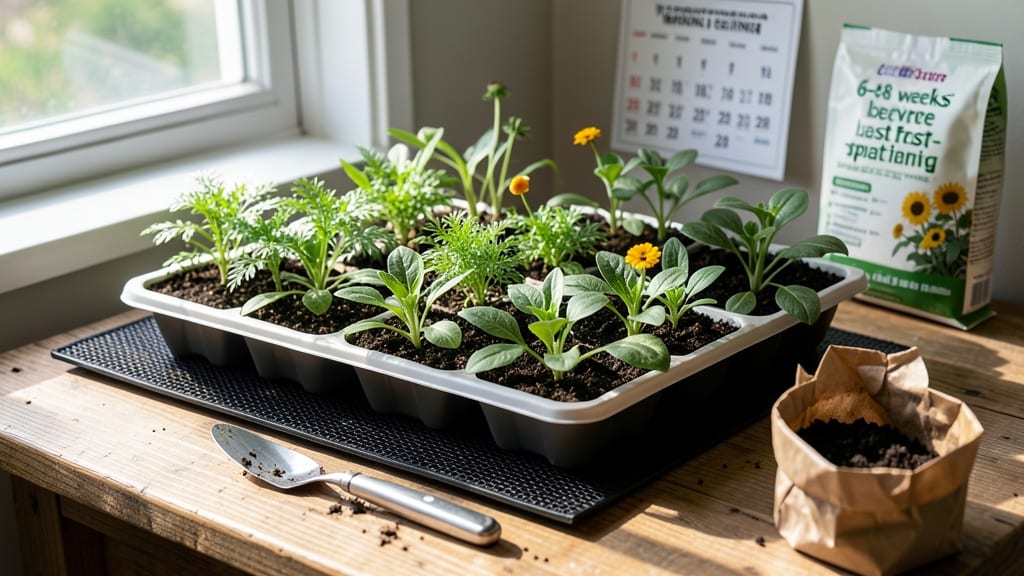
Planting your 🌸 cut flower seeds at the wrong time can leave you with wilted stems and empty vases—unless you know the exact window to act.
The difference between a thriving garden and a frost-damaged disappointment often comes down to timing, especially in zones like 6a where last frost hits around April 15.
Most gardeners wait until April–May to sow seeds after the frost danger passes, but the real secret lies in starting 4–6 weeks earlier indoors for varieties like dahlias and zinnias. This head start ensures you’ll have blooms ready by June, when your vase arrangements can shine brightest.
Whether you’re sowing cosmos directly in the soil or nurturing sunflowers under grow lights, understanding your local frost dates and soil temperatures is the key to success.
I’ll break down exactly when to plant for your zone, plus how to adjust for early or late blooms so your garden stays in full color through October.
Let’s dive into the game-changer strategies that’ll transform your planting routine—no more guesswork, just stunning, long-lasting blooms. Ready to learn how?
USDA zone deadlines for planting cut flower seeds indoors vs outdoors
Getting your cut flower seeds in the ground at the right time ensures vibrant blooms all season long. But with USDA zones 3 through 11 having wildly different frost dates, timing is everything.
Whether you're starting dahlias indoors or sowing cosmos directly outdoors, knowing your zone's deadlines prevents wasted effort and frost damage.
Indoor starts give you a head start, especially for long-season varieties like zinnias and snapdragons. But rushing can lead to leggy seedlings. Meanwhile, fast-growing flowers like sunflowers and cosmos thrive when sown directly after your last frost date.
Let's break down the perfect planting windows for your zone to maximize your bouquet potential.
🌱 Key Tip: Always check your local frost dates—they can vary by 2-4 weeks even within the same zone. Use your average last frost date as your starting point, then adjust based on your microclimate.
For USDA zones 3-4, where winters are harsh, starting dahlias and zinnias indoors in early March gives them enough time to mature before frost. These long-season flowers need 10-12 weeks indoors before transplanting outdoors after your last frost—typically mid-May in these zones.
In zones 5-6, you can push your indoor starts slightly later, beginning in mid-February. This gives you flexibility to direct-sow cosmos and sunflowers as early as April 1, since they tolerate cooler soil temperatures. Snapdragons also thrive in these zones when started indoors in late January.
Gardeners in zones 7-8 have the luxury of longer growing seasons.
You can start zinnias and dahlias indoors as late as mid-January, but many prefer to sow directly outdoors in early March. Cosmos and sunflowers can even handle light frosts, so you might get away with sowing them in February if your soil isn't frozen.
In warmer zones 9-11, frost is rarely a concern, but heat can be. For long-season flowers, start seeds indoors in late November to December, but many gardeners here prefer sowing directly in January or February for cosmos and marigolds.
These zones also allow for succession planting every 4-6 weeks to ensure continuous blooms.
💡 Pro Tip: If you're unsure about your last frost date, use a frost-free calculator or check with your local Cooperative Extension Service. They provide hyper-local data that's more accurate than general zone guidelines.
For heat-sensitive flowers like celosia or statice, avoid planting too early in zones 9-11. Instead, wait until March or April to prevent bolting. And remember: evening primrose and black-eyed Susans can handle partial shade in hotter zones, so adjust your planting spots accordingly.
Finally, don't forget about succession planting! For a continuous harvest of cut flowers, sow quick-growing varieties like bachelor's buttons every 2-3 weeks after your first planting. This ensures you always have fresh blooms for your vase.
Best cut flowers to plant by season: cool vs warm weather varieties
Choosing the right cut flowers for your season isn't just about aesthetics—it's about survival. Cool-weather varieties like snapdragons and pansies thrive in spring and fall, while heat-loving celosia and marigolds dominate summer. Your location's last frost date determines when to plant each type for maximum vase life.
For USDA Zones 3-7, cool-season flowers can handle light frosts, while zones 8-11 enjoy year-round planting. The key is matching your local climate with each flower's temperature preferences to avoid wilting or poor growth.
🌱 Seasonal Cut Flower Planting Guide
- 🌸 Spring (March-May) - Pansies, Sweet Alyssum, Snapdragons (direct sow 4-6 weeks before last frost)
- ☀️ Summer (June-August) - Zinnias, Marigolds, Celosia (sow after soil reaches 60°F+)
- 🍂 Fall (September-November) - Cosmos, Dahlias, Sunflowers (start 8-10 weeks before first frost)
- ❄️ Winter (December-February) - Calendula, Stocks (sow 6-8 weeks before last frost in mild zones)
My favorite cool-season cut flowers include pansies (which bloom until frost) and snapdragons (great for long stems). For summer, celosia and marigolds handle heat beautifully while producing vibrant blooms.
In hot climates (Zones 9-11), plant heat-tolerant varieties like celosia and sunflowers in late spring to avoid bolting. For cooler regions (Zones 3-6), focus on early spring and late summer plantings to match bloom times with vase needs.
Succession planting is my secret weapon—sow every 2 weeks for continuous harvests. For example, zinnias sown in June will bloom until frost, while cosmos planted in August extend color into fall.
Remember: Vase life varies by flower. Snapdragons last 7-10 days, while celosia holds up for 12+ days. Choose varieties based on how long you want your bouquets to last!