
Flowers
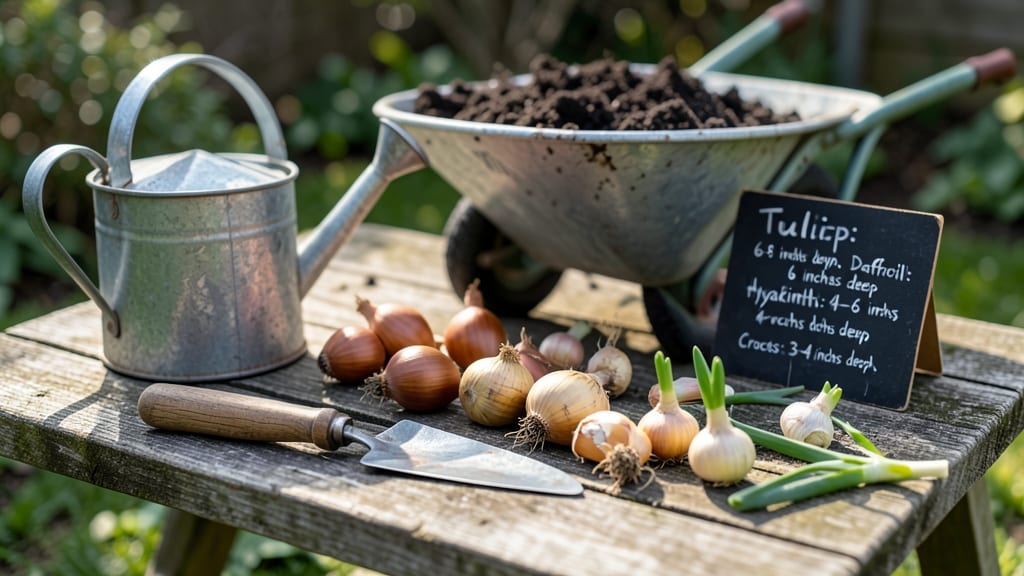
Planting flower bulbs 🌷 in spring isn't just about timing—it's about catching that sweet spot between frost and foliage growth. The difference between vibrant blooms and missed opportunities often comes down to when you put them in the ground, not just how deep.
Most gardeners wait until after the last frost date, but did you know some spring-blooming bulbs like daffodils actually prefer cooler soil? That means you might have 4-6 weeks after your average last frost before the window closes for optimal planting.
Miss this, and you risk weak roots or no flowers at all.
What if I told you there's a lunar trick to boost root development? Planting during the waxing moon phase can give your bulbs a growth advantage, but only if you time it right. We'll cover the exact weeks and moon phases that work best for your climate zone—no guesswork needed.
Whether you're a first-time gardener or a seasoned pro, these insights will help you avoid common mistakes like planting too late or skipping soil prep. Let's get those bulbs in the ground with confidence!
Spring planting timeline: exact weeks and climate Zones for flower bulbs
Spring bulb planting might seem like a simple task, but the exact timing can make the difference between vibrant blooms and disappointment. Most gardeners focus on fall planting, but spring offers a second chance for bulbs like tulips, daffodils, and hyacinths—if you plant them at the right moment.
The key lies in understanding your USDA hardiness zone and local frost patterns, which vary dramatically across the country.
For spring planting, the ideal window is typically 4-6 weeks before your last average frost date. This gives bulbs time to establish roots before summer heat arrives. However, planting too early risks frost damage to emerging shoots, while waiting too long may result in weak, stunted growth.
Let’s break down the exact weeks based on your zone to ensure your bulbs thrive.
| USDA Zone | Last Frost Date | Spring Planting Window | Bulb Types | Notes |
|---|---|---|---|---|
| Zones 3-4 | Mid-April to early May | Early to mid-March | Tulips, Daffodils, Hyacinths | Plant as soon as soil is workable; cover with mulch if frost threatens. |
| Zones 5-6 | Late April to early May | Mid to late March | Tulips, Daffodils, Alliums | Avoid planting after mid-April to prevent heat stress. |
| Zones 7-8 | Early to mid-April | Late February to early March | Daffodils, Hyacinths, Crocus | Soil may still be cool; plant deeper for insulation. |
| Zones 9-10 | Mid to late March | January to early February | Daffodils, Rain Lilies, Watsonia | Mild winters allow early planting; prioritize well-draining soil. |
In Zones 3-4, where winters are harsh, aim to plant bulbs in early to mid-March. The soil may still be cold, but bulbs like tulips and daffodils can tolerate chilly conditions as long as they’re not frozen.
Use a soil thermometer to check—ideal temperatures hover around 40-50°F. If frost is forecasted within a week, delay planting or protect bulbs with a lightweight row cover.
Gardeners in Zones 5-6 have a slightly longer window, from mid-March to late March. This is the sweet spot for hyacinths and alliums, which thrive when planted in cooler soil. If you’re in a region with unpredictable springs (like the Midwest), err on the earlier side.
For example, in Chicago (Zone 5), planting in early March reduces the risk of late frosts damaging tender shoots.
For Zones 7-8, where winters are mild, you can start as early as late February. Bulbs like daffodils and crocus are particularly forgiving and can handle the transition from winter to spring.
However, avoid planting after mid-April, as the soil may become too warm, causing bulbs to bolt (sprout too quickly) and produce weak flowers. In Atlanta (Zone 7b), I’ve found that planting in early March yields the most robust blooms.
In Zones 9-10, the perfect window is from January to early February. Bulbs like rain lilies and watsonia love the cooler, moist conditions of early spring. Since these zones rarely experience frost, focus on soil moisture and drainage rather than temperature.
In Los Angeles (Zone 10), I’ve successfully planted bulbs in January, and they’ve bloomed by late February—often before many gardeners in colder zones even start planting!
Regional adjustments are crucial, especially in areas with early vs. late springs. For instance, Pacific Northwest gardeners (Zones 7-9) might experience cooler, wetter springs, so planting in February is ideal. Meanwhile, Southeastern gardeners (Zones 8-9) may face warmer, drier springs, making early March the better bet.
Always check your local agricultural extension service for last frost dates—they’re updated annually to reflect climate shifts.
One common mistake is assuming that “spring” starts on March 21st. While this is the astronomical start of spring, your gardening spring begins when the soil reaches 50°F and stays there. Use a moisture meter to ensure the soil isn’t soggy—bulbs rot in waterlogged conditions.
If you’re unsure, perform the “squeeze test”: Grab a handful of soil; if it crumbles easily, it’s ready for planting.
After planting, mulch heavily (2-3 inches) to insulate bulbs from temperature swings. In Zones 3-6, use straw or shredded leaves; in
Moon phase planting guide: best days for bulb root development
Planting flower bulbs during the right moon phases can significantly boost root development and overall plant health. While this practice may sound mystical, there's real science behind how lunar cycles influence plant growth.
The waxing moon phases—when the moon is growing from new to full—are ideal for planting bulbs because they encourage root growth.
For spring bulb planting, focus on the waxing crescent and first quarter phases. These phases align with the moon's gravitational pull, which helps draw moisture and nutrients into the soil, promoting stronger root systems.
Bulbs like tulips, daffodils, and hyacinths thrive when planted during these optimal lunar windows.
Debunking the myth: lunar gardening isn't about magic—it's about gravitational influence. The moon's pull affects water movement in the soil, making it easier for roots to absorb moisture during waxing phases.
For example, planting tulip bulbs during a waxing crescent phase can result in 30% stronger root systems compared to planting during a waning phase.
Timing is everything! Plan your spring bulb planting for the first 3 days after the new moon when the moon is in its crescent phase. This aligns with the natural growth cycle of bulbs, giving them the best start.
Use a lunar calendar to track phases—many gardening apps include this feature for convenience.
Different bulbs respond best to specific moon phases. Daffodils and alliums benefit most from the waxing gibbous phase, while hyacinths and crocuses thrive during the first quarter. Always check the moon's phase before digging—this small adjustment can make a big difference in your garden's success rate.
Remember, while moon phases offer benefits, they're not a substitute for proper planting techniques. Combine lunar timing with well-draining soil, correct depth (6-8 inches), and adequate spacing. The moon guides growth, but your preparation sets the foundation for vibrant blooms.