
Flowers
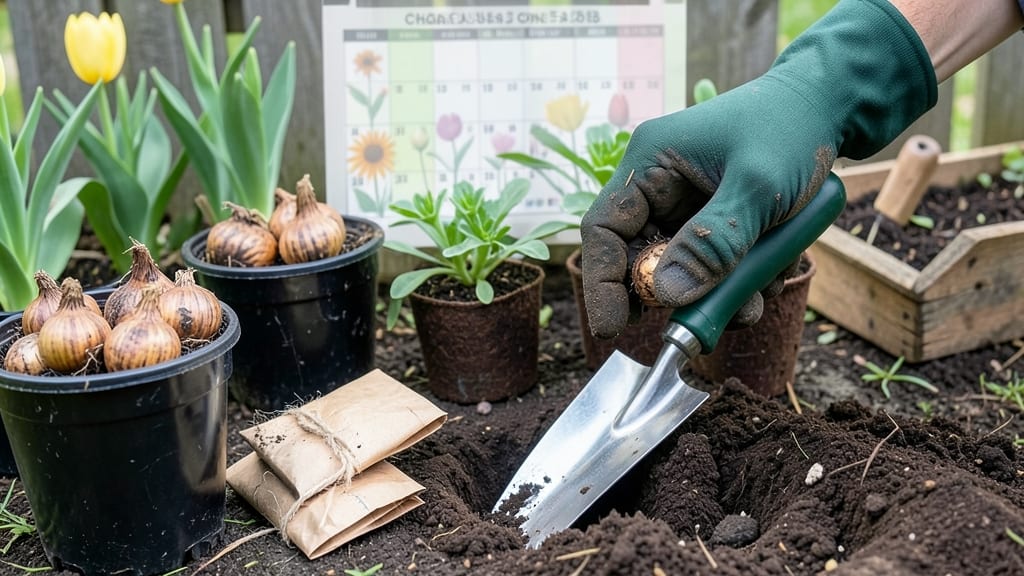
Planting flowers in Chicago isn’t just about grabbing seeds and sticking them in the ground—it’s about mastering the timing to beat those infamous late frosts. One wrong move, and your vibrant blooms could turn into a sad, frost-nipped mess.
But don’t worry: with the right strategy, you’ll have a garden bursting with color all season long.
Chicago’s climate is notoriously unpredictable, with frost dates that can shift from year to year. That’s why knowing when to plant—whether you’re sowing annuals in spring or prepping perennials for fall—is the key to success.
I’ve done the research, so you don’t have to guess. Let’s break down the exact windows you need to follow for zero-failure blooms.
From the first signs of spring warmth to the crisp air of early fall, each season offers a perfect opportunity to plant. Whether you’re a seasoned gardener or just starting out, these insights will help you avoid common mistakes and make the most of Chicago’s growing conditions.
Ready to transform your garden into a showstopper?
We’ll cover everything from soil prep to choosing the best flowers for your zone, plus how to adjust for those unexpected frost surprises. By the end, you’ll know exactly when to plant for a garden that thrives—no matter what Chicago throws your way.
Chicago’s frost dates by season: the exact months to plant flowers
Chicago’s frost dates are the backbone of successful flower gardening here—miss them, and your annuals or tender perennials could end up as frost-killed casualties.
The city’s USDA Hardiness Zone 5b (with microclimates pushing to Zone 6 in urban pockets) means last frost dates can vary by 2-3 weeks depending on whether you’re in Lincoln Park, South Side, or the suburbs.
For spring planting, most gardeners wait until mid-to-late May to plant frost-sensitive flowers like petunias or geraniums, but cold-hardy annuals (like pansies) can handle April’s chill.
Fall is trickier—first frost often hits between October 10-20, but mums and kale can survive light frosts, while tender perennials must be dug up or mulched heavily.
Here’s the key rule for Chicago: Wait until the soil warms (at least 50°F) and nighttime temps stay above 40°F for 5+ days.
Use the Chicago Botanic Garden’s frost alerts or local weather apps to track shifts—because late-season freezes in May or early October surprises are par for the course here.
Pro Tip: Plant cool-season flowers (like calendula or stock) in early spring or late summer to beat the frost. These thrive in 50-60°F soil and can even handle light frosts, giving you extended blooms before winter sets in.
| Season | Frost Date Range | Planting Window | Best Flowers to Plant | Soil Temp Requirement |
|---|---|---|---|---|
| Spring | Last Frost: April 15–May 15 | After May 1 (or when soil hits 50°F) | Annuals: Petunias, Geraniums, Marigolds Perennials: Coneflowers, Black-Eyed Susans Bulbs: Tulips (after danger of frost) |
50–60°F (use soil thermometer!) |
| Early Spring | Light Frost Risk: Until April 30 | March 15–April 15 | Cold-Hardy: Pansies, Snapdragons, Calendula Bulbs: Daffodils, Crocuses (plant fall for spring blooms) |
40–50°F (can handle light frosts) |
| Fall | First Frost: October 10–20 | July 15–August 31 (for fall blooms) | Heat-Tolerant: Zinnias, Cosmos, Sunflowers Perennials: Asters, Sedum Bulbs: Tulips (plant fall for next year) |
60–70°F (establish roots before frost) |
| Late Summer | Heavy Frost Risk: After October 1 | August 1–September 15 | Frost-Resistant: Chrysanthemums, Pansies, Stock Edibles: Kale, Pansy (double as flowers + greens!) |
50–60°F (plant 6–8 weeks before first frost) |
Chicago’s microclimates throw a wrench into timing—urban areas (like the Loop) can be 2–3°F warmer than suburban spots, delaying frost by 1–2 weeks. If you’re in Zone 6 (e.g., Naperville or Evanston), you can push spring planting 2 weeks earlier than downtown.
Always check local weather trends—last year’s May frost caught many off guard!
For perennials, the rule is simpler: Plant in spring (after frost) or early fall (by September 15) to let roots establish before winter. Bulbs like tulips and daffodils need fall planting (by October 15) to bloom next spring—they require cold stratification, so don’t plant them in summer!
If you’re container gardening, move tender plants indoors or to a garage when temps drop below 45°F at night. Row covers or cloches can extend the season by 2–4 weeks for annuals like impatiens, but they’re no match for a hard freeze (28°F or below).
Chicago’s unpredictable weather means
Best flowers to plant in Chicago by month: a month-by-month survival guide
Chicago’s gardening season is short but sweet, and knowing the perfect planting windows for your flowers can mean the difference between a garden that thrives and one that fizzles.
I’ve broken down the best flowers to plant each month, accounting for Chicago’s USDA Zone 5-6 climate and those tricky frost dates. Whether you’re planting in a sun-drenched suburban yard or a shady urban container garden, these picks will give you the most vibrant blooms.
The key to success in Chicago is planting early for spring blooms and extending the season with fall favorites. Urban gardeners should also consider container-friendly varieties that thrive in limited space.
Let’s dive into the best flowers to plant by month, so you can enjoy color from spring through fall without the guesswork.
For urban gardeners, focus on compact varieties like dwarf coneflowers or miniature roses. These do well in pots and require less space. In suburban gardens, prioritize perennials like black-eyed Susans and daylilies for low-maintenance, long-lasting blooms.
Always check your specific microclimate—areas near Lake Michigan may have warmer springs and cooler summers than inland spots.
One of my biggest tips is to mulch heavily in late summer to protect roots from early frosts. Use organic mulch like straw or shredded leaves to insulate soil and retain moisture.
This is especially critical for tender perennials like lavender or Russian sage, which can struggle with Chicago’s sudden cold snaps.
Don’t forget to monitor local frost alerts from the Chicago Botanic Garden or your local Cooperative Extension office. These resources provide real-time updates that can help you adjust your planting timeline.
With the right flowers and timing, your Chicago garden can be a year-round spectacle, even in the most unpredictable weather.
Ready to get planting? Grab your gloves, and let’s make this the year your garden outshines the skyline! 🌸