
Flowers
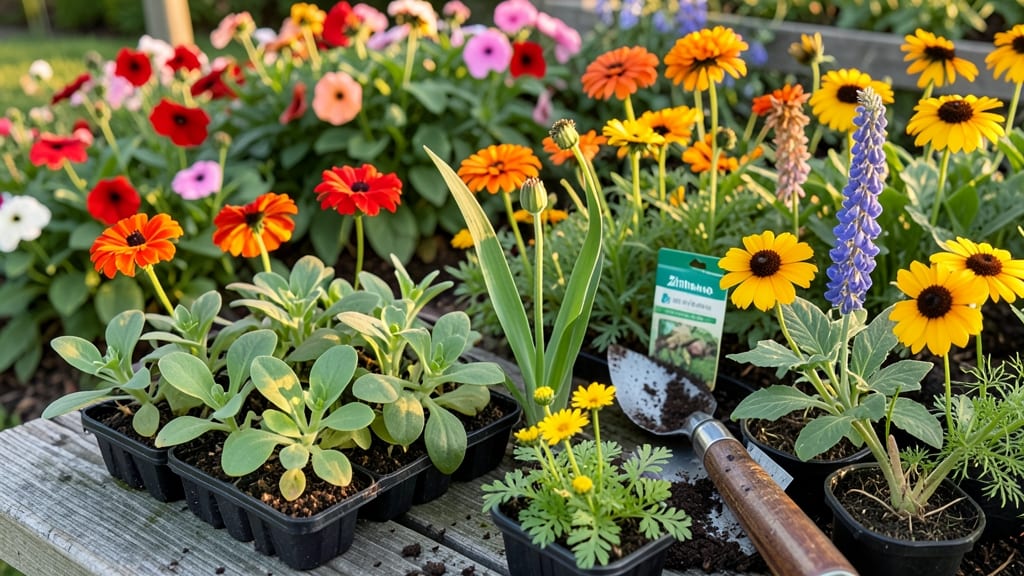
Timing your flower planting in Maryland wrong can mean the difference between a vibrant garden and a sad, frost-nipped disappointment—especially when those last-frost dates sneak up faster than you think.
I’ve seen firsthand how Maryland’s 7a-7b zones play tricks on gardeners, with some counties like Baltimore County warming up by mid-April while others, like Garrett, linger until early May.
The key isn’t guessing—it’s knowing your local frost-free window and working with it, whether you’re planting 🌸 annuals for summer color or hardy perennials that’ll return year after year.
In this guide, I’ll break down the exact planting windows you need—from late March for cold-hardy bulbs to early October for fall bloomers—plus backup strategies for those unpredictable Maryland springs when Mother Nature decides to test your patience.
Ready to turn your garden into a year-round showstopper? Let’s get those flowers in the ground at the perfect time—no second-guessing required.
Maryland’s last-frost dates by county: your planting timeline
Maryland’s last-frost dates vary dramatically across its 23 counties, creating a gardening puzzle. Northern counties like Garrett and Allegany often see frost until May 10, while southern Calvert and Charles counties average frost-free by April 1.
These differences mean your tender annuals like zinnias or petunias might face frost in one county but thrive in another just 50 miles away.
Understanding your USDA hardiness zone (Maryland spans 6b-7a) helps, but local microclimates—like urban heat islands or hilltops—can shift frost dates by 1-2 weeks. For example, Baltimore City (Zone 7a) often warms faster than nearby Howard County (also 7a) due to concrete absorbing heat.
Always check 10-year averages from local weather stations, not just zone maps.
Here’s how to use this data: Cold-hardy perennials like peony or iris can go in the ground by March 15 in most counties, but tender annuals like begonias or geraniums need to wait until 2 weeks after your county’s last-frost date.
For bulbs, plant tulips in fall (October-November) to beat winter cold, but dahlias wait until May 15 after frost.
For visual learners, Maryland’s Department of Agriculture offers an interactive frost map (link in resources) where you can hover over your county to see historical frost trends.
Bookmark it! I’ve also included a 14-day forecast alert system in my gardening planner—set reminders for April 1 and May 10 to adjust for early or late frosts.
Pro tip: Adjust for early bloomers like crocuses or daffodils, which can handle light frost. Plant them by November 1 in all counties.
For tender annuals, wait until 2 weeks after your county’s last frost—even if your neighbor in the next county over starts earlier. Container gardening gives you flexibility; move pots indoors or under cover if frost threatens.
If you’re in Zone 6b (western Maryland), consider cold-hardy annuals like snapdragons or stock, which tolerate 28°F temps. In Zone 7a (eastern Maryland), you can push marigolds or zinnias as early as April 15 with frost cloth.
Always harden off seedlings for 5-7 days before transplanting to avoid shock.
For fall planting, aim for August 1–September 15 in all counties. Cool-season flowers like pansies or calendula thrive when planted 6-8 weeks before first frost (typically November 1). Use mulch to protect roots from early winter freezes, especially in Zone 6b areas.
Remember: Mother Nature loves surprises. Even in Zone 7a, a late frost can hit in May. Keep
When to plant specific flowers in Maryland: a month-by-month breakdown
Maryland’s spring planting window can feel like a moving target—one day it’s 60°F, the next it’s 32°F with frost. But timing matters: plant perennials like peonies too early, and they’ll bolt; wait too long with tender annuals like zinnias, and you’ll miss peak summer color.
The key is knowing your last-frost dates (typically mid-April in most counties) and adjusting for your USDA Zone (6b-7a).
I’ve gardened in Maryland for over a decade, and I’ve learned that fall planting often gives flowers a head start—just ask my black-eyed Susans, which bloom 2 weeks earlier when planted in September versus spring.
Below, I’ll break down the best months for Maryland’s top flowers, from cold-hardy bulbs to heat-loving annuals, plus how to handle those unpredictable late frosts.
🌱 Maryland Flower Planting Calendar by Month
- 🌱 Early March: Plant spring-blooming bulbs (daffodils, tulips) and hardy perennials (peonies, lavender) in Zone 6b counties like Frederick or Garrett. Use frost cloth for extra protection.
- 🌿 Late March: Start annual seeds indoors (petunias, snapdragons) and transplant cold-tolerant veggies (like pansies) if soil is workable. Western MD (Zone 7a) can plant hardy annuals outdoors now.
- ☀️ April (after last frost): Risk-free planting for most annuals (marigolds, zinnias) and tender perennials (coneflowers, black-eyed Susans). Eastern Shore may wait until mid-April.
- 🌼 May-June: Plant heat-loving annuals (lantana, salvia) and fall-blooming bulbs (crocuses, hyacinths) for next spring. Succession plant every 2 weeks for continuous blooms.
- 🌳 August-September: Fall planting for perennials (daylilies, sedum) and cool-season annuals (pansies, sweet alyssum). Bulbs like tulips can go in by mid-October.
- 🍂 October: Plant spring-planted bulbs (daffodils, alliums) and winter-hardy annuals (stock, calendula). Mulch heavily to protect roots from freeze-thaw cycles.
💡 Pro Tip: Use row covers to extend your spring planting window by 2-3 weeks in Zone 6b areas.
Let’s dive into the month-by-month details for Maryland’s most beloved flowers. For annuals like zinnias, timing is critical—they need warm soil to germinate, so I never plant them before May 1 in Baltimore County.
Meanwhile, perennials like hostas are frost-tolerant, so they can go in as early as March if the ground isn’t frozen.
For bulbs, the fall window is your best bet. I’ve found that tulips planted in October bloom 3 weeks earlier than those planted in spring.
The secret? Cooler soil temps encourage stronger root growth before winter. Daffodils, however, are deer-resistant and can handle spring planting if you’re in a hurry.
Don’t overlook late-season bloomers like zinnias and cosmos, which thrive in Maryland’s hot, humid summers. I always plant these in June for fall color, and they keep blooming until first frost.
For perennials like coneflowers, spring or fall planting works, but fall gives them a head start—my purple coneflowers bloom earlier when planted in September.
If you’re in Zone 6b (like Western MD), play it safe with frost-sensitive plants like geraniums—wait until May 10 or use row covers. In Zone 7a (e.g., Annapolis), you can push annuals into the ground by April 15.
Always check your local last-frost date—my neighbor in Howard County once lost her petunias to a late April frost!
Remember: Maryland’s microclimates matter. A south-facing slope warms up faster than a shady corner, so adjust your planting dates accordingly. And if you’re container gardening, you can extend your season by 2-4 weeks—just move pots to sheltered spots at night. Happy planting! 🌸