
Flowers
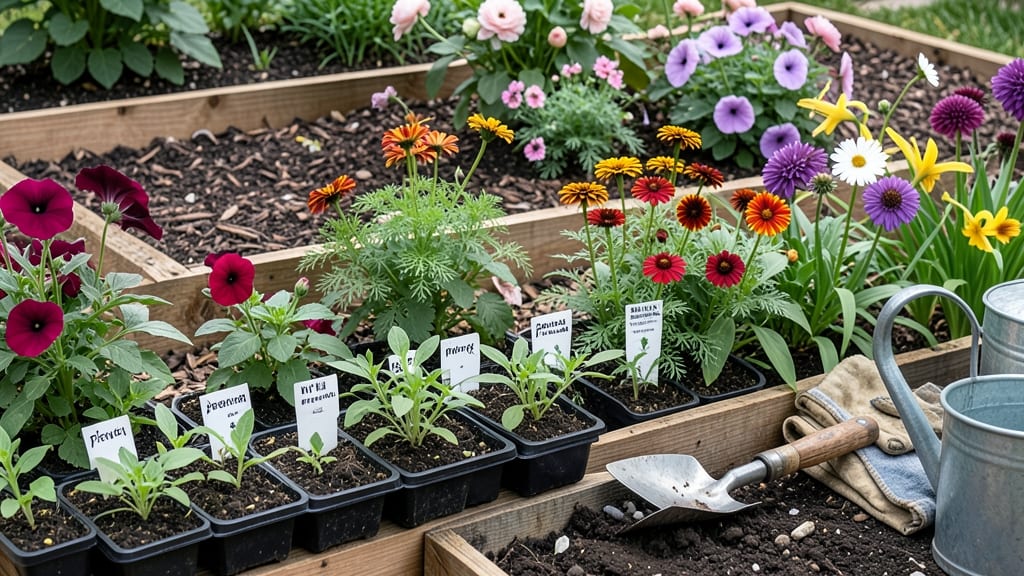
When to plant flowers in New York is the secret to a garden that thrives year after year—no matter if you're in the city's sweltering heat or the countryside's crisp chill. With USDA Zones 5-8 across the state, knowing when to plant isn't one-size-fits-all—but I'll break it down so you never guess again.
Whether you're in NYC's urban heat islands or upstate's cooler microclimates, the key is working with your local frost dates. Plant too early, and a late freeze will wipe out your blooms; too late, and you miss the growing season entirely. Let's fix that with a simple, region-specific calendar.
You'll discover the best months for annuals, perennials, and bulbs in your area, plus how to stretch your planting window with cold frames and frost cloths. No more second-guessing—just confident planting that guarantees summer-to-fall color without the risk.
Ready to transform your yard? I'll walk you through every step, from soil prep to choosing the hardiest varieties for unpredictable NY weather. Your perfect garden starts with the right timing—and I've got the exact schedule you need.
NY flower planting calendar by region: frost dates & best months
New York’s diverse climate means last frost dates can vary by 10+ days between NYC and upstate areas. Urban heat islands in the city delay frost, while rural zones like the Hudson Valley often see earlier freezes.
Knowing your microclimate is key to timing annuals, perennials, and bulbs perfectly for zero frost damage.
I’ve broken down planting windows by region using 30-year averages from NOAA, with adjustments for urban vs. rural differences. For example, Long Island typically has 2-3 weeks longer growing seasons than upstate NY due to coastal moderation.
Always check your local USDA Zone (5-7) and monitor frost alerts via apps like PlantNet.
Here’s your NY-specific planting calendar for cool-season flowers (like pansies and snapdragons) and warm-season blooms (such as zinnias and marigolds), plus bulb timing for spring displays. Remember: Hardy perennials can handle earlier planting, while tender annuals need warmer soil.
| Region | Last Frost Date | First Frost Date | Best Months for Annuals | Bulb Planting Time | Microclimate Tip |
|---|---|---|---|---|---|
| NYC (Urban) | Mid-April | Mid-October | May-June (warm-season); Sept (cool-season) | Oct-Nov (spring bulbs) | Heat islands delay frost; use frost cloths for late blooms. |
| Long Island | Late April | Early October | Late April-June; Aug-Sept | Oct-Nov (spring); Feb (tulips) | Coastal areas plant 2 weeks earlier than inland. |
| Hudson Valley | Early May | Late September | Late May-June; July-Aug | Nov (spring bulbs); Feb-Mar (daffodils) | Rural zones freeze faster; mulch bulbs heavily. |
| Upstate NY | Late May | Mid-September | June-July; Aug-Sept | Nov (spring); Feb (hardy bulbs) | Short season; start seeds indoors 6-8 weeks early. |
For cool-season annuals like pansies or snapdragons, NYC gardeners can plant as early as late March under frost cloths, while upstate wait until mid-May. My rule of thumb: Wait until soil reaches 50°F for warm-season marigolds and zinnias—use a soil thermometer to avoid stunted growth.
Bulbs are trickier. Tulips and daffodils need 6-8 weeks of chill, so plant fall bulbs by November in NYC but by late October in upstate areas. Pro tip: Chill bulbs indoors if planting late—place them in a paper bag in your fridge for 4-6 weeks before planting.
Perennials like coneflowers and black-eyed Susans are more forgiving. They thrive when planted 2-3 weeks after your last frost date, giving roots time to establish before summer heat. I’ve had best success
How to adjust planting times for NY’s unpredictable weather patterns
New York’s unpredictable frost dates can leave even the most experienced gardeners scrambling. One year, your tender annuals might thrive, while the next, a late frost wipes them out.
The key? Flexibility and preparation. By adjusting planting times, using protective tools, and choosing the right varieties, you can outsmart Mother Nature and keep your garden blooming longer.
Start by understanding your microclimate. Urban areas like NYC often experience heat islands that delay frost, while upstate regions can see earlier freezes. Frost cloths and row covers are your best friends—these lightweight fabrics can add 4-8°F protection when temps dip.
For late-season plantings, opt for cold-hardy annuals like pansies or snapdragons, which tolerate light frosts better than delicate petunias.
- 📅 Monitor frost dates – Use the NY State Climate Smart tool to track your local last frost date, then plant 2-3 weeks after for safety.
- 🌡️ Use soil thermometers – Wait until soil reaches 60°F+ for warm-season flowers like zinnias or marigolds.
- 🛡️ Layer frost protection – Combine row covers with mulch (straw or leaves) to insulate roots during chilly nights.
- 🌱 Choose late-season varieties – Opt for heirloom tomatoes or extended-bloom petunias bred for cooler temps.
- ⏳ Stagger plantings – Sow succession crops (like cosmos) every 2 weeks to ensure continuous blooms through fall.
For heat-tolerant flowers, prioritize varieties like lantana or portulaca, which thrive in NYC’s summer heat waves. These plants handle 90°F+ temps without wilting, while frost-resistant picks like chrysanthemums or asters can handle early autumn chills. Always pair them with well-draining soil to prevent root rot during sudden rain.
Late-season planting requires a 5-step safety checklist: 1. Test soil moisture – Press fingers 1" deep; if dry, water deeply before planting. 2. Hardening off seedlings – Acclimate tender starts to outdoor temps over 7-10 days.
3. Plant at the right depth – Follow seed packet guidelines to avoid stem rot. 4. Mulch heavily – Use 3-4" of straw to retain heat and moisture. 5. Watch the forecast – Have frost cloths ready for 32°F warnings.
Don’t let NY’s unpredictable weather ruin your garden dreams. With these adjustments, you’ll enjoy longer bloom seasons and fewer frost casualties. Start small—try one cold-hardy annual this year—and expand as you master the timing. Happy gardening! 🌷