
Flowers
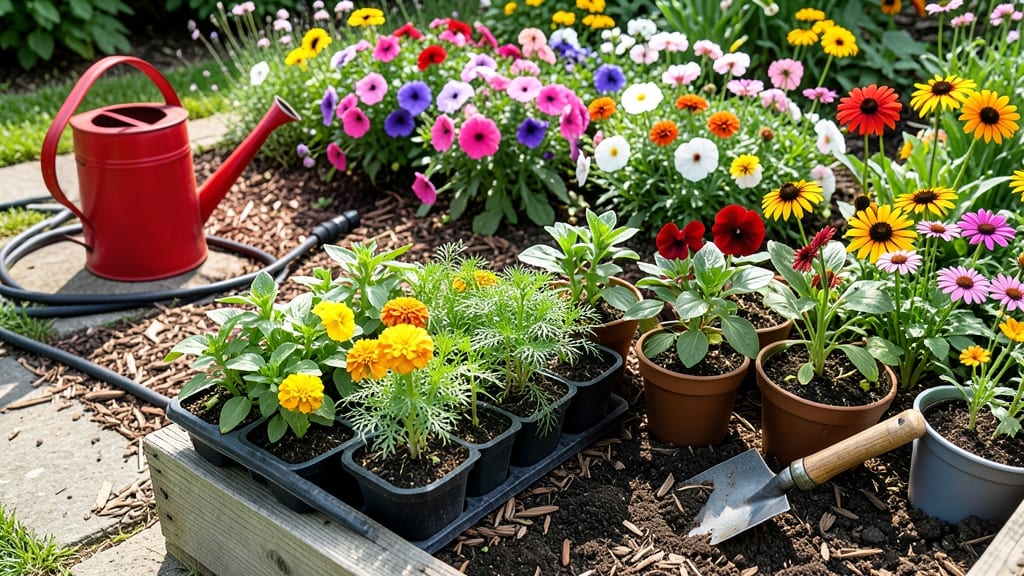
Timing your flower planting in South Carolina can mean the difference between a garden bursting with 🌸 vibrant blooms and one that struggles to take root. With zones ranging from 7b to 9a, knowing when to plant—whether it's cool-season annuals or heat-loving perennials—isn’t just helpful, it’s essential for success.
If you’ve ever planted flowers only to watch them wilt in the heat or freeze before they bloom, you’re not alone. The key lies in understanding your specific zone’s frost dates and seasonal shifts.
For example, spring-bloomers like azaleas thrive when planted in late February to early April, while fall favorites need to go in by August or September to establish roots before winter.
In this guide, I’ll break down the exact planting windows for your region, including when to start seeds indoors and how to extend your blooming season. Whether you’re a beginner or a seasoned gardener, these insights will help you create a showstopping garden that lasts all year.
Ready to transform your yard into a floral paradise? Let’s dive into the zone-specific calendar that will give your flowers the best possible start—and keep them blooming longer.
South Carolina flower planting calendar by USDA zones (7b, 8a, 8b)
South Carolina’s three primary USDA zones (7b, 8a, 8b) create distinct planting windows for your garden. Zone 7b (cooler inland areas) has later last frost dates, while Zone 8b (coastal regions) enjoys earlier springs and longer falls. Understanding these differences ensures your annuals, perennials, and bulbs thrive year-round.
In Zone 7b, average last frost dates fall around March 15-20, while Zone 8a sees frost-free conditions by March 1-15. Zone 8b gardeners can start planting as early as February 15 for heat-loving varieties.
These variations mean your spring-blooming bulbs and cool-season annuals should align with your specific zone’s timeline.
Key takeaway: Plant cool-season flowers like pansies and snapdragons 6-8 weeks before last frost, while warm-season favorites such as marigolds and zinnias wait until soil temperatures reach 60°F (15°C). Below is your zone-specific planting calendar to maximize bloom potential.
| Month | Zone 7b (Inland) | Zone 8a (Piedmont) | Zone 8b (Coastal) |
|---|---|---|---|
| February | Start seeds indoors (cool-season flowers) | Plant pansies, calendulas outdoors | Plant dianthus, snapdragons outdoors |
| March | Plant tulips, dahlias (bulbs), petunias | Plant azaleas, hydrangeas, coleus | Plant begonias, impatiens, marigolds |
| April | Transplant tomatoes, peppers (after frost) | Direct sow zinnias, sunflowers, cosmos | Plant lantana, portulaca (heat-tolerant) |
| May | Succession plant basil, nasturtiums | Plant gladiolus, canna lilies (bulbs) | Deadhead spring blooms for fall rebloom |
| August | Start fall mums, aster seeds indoors | Plant pansies, snapdragons for fall color | Direct sow kale, pansies outdoors |
| September | Plant spring-blooming bulbs (tulips, daffodils) | Plant crocus, hyacinth bulbs | Plant winter jasmine, camellias |
| October | Divide perennials (iris, daylilies) | Plant winter aconite, hellebore bulbs | Mulch tender perennials for winter |
For Zone 7b, prioritize late March and early April for most spring annuals, while Zone 8b gardeners can push planting into February for early blooms. Fall planting in August-September ensures vibrant autumn and winter color from pansies, snapdragons, and ornamental kale.
Pro tip: Use mulch in Zone 7b to protect tender perennials during unexpected late frosts. In Zone
Best flowers to plant in South Carolina by season (and when to start seeds)
South Carolina’s four distinct seasons create the perfect canvas for a year-round floral display—but only if you plant at the right time. Spring and fall are your golden windows for most flowers, while summer heat demands heat-tolerant varieties, and winter surprises us with hardy bloomers.
The key to success? Knowing when to start seeds indoors versus planting directly outdoors.
Native South Carolina flowers like black-eyed Susans and coreopsis thrive with minimal fuss, while heat-loving annuals like zinnia and marigold reward timely planting with bold color.
For perennials, fall planting gives roots time to establish before winter’s chill. Let’s break down the best bloomers for each season—and when to get them growing.
-
1Spring (Feb-Apr): Plant cool-season annuals like pansies and snapdragons after last frost (March 15). Start petunias and geraniums indoors in February for May blooms.
-
2Summer (May-Jul): Focus on heat-tolerant annuals like zinnia and lantana. Sow directly outdoors in April-May or transplant mature plants by June 1 for continuous blooms.
-
3Fall (Aug-Sep): Plant perennials like black-eyed Susan and coreopsis by August 15 for spring blooms. Start chrysanthemums indoors in July for fall color.
-
4Winter (Oct-Dec): Enjoy cold-hardy bloomers like pansies and heather. Plant spring-bulbs (daffodils, tulips) in November for early spring color.
-
5Seed-Starting Tips: Start tender annuals (like impatiens) indoors 6-8 weeks before last frost. Native perennials (e.g., coneflower) can be direct-sown in spring or fall.
For spring planting, prioritize cool-season flowers that tolerate light frosts. Pansies and violas are my go-to for early color, while snapdragons add height to borders. If you want a longer blooming season, start petunias and geraniums indoors in February—they’ll reward you with vibrant displays by May.
Summer in South Carolina is hot and humid, so choose heat-loving annuals like zinnia and lantana. These thrive when planted directly outdoors in April-May or transplanted by June 1. For continuous blooms, succession plant marigolds every 2-3 weeks—they’re drought-tolerant and repel pests naturally.
Fall is the perfect time to plant perennials like black-eyed Susan and coreopsis. These native SC favorites establish roots before winter and burst into color next spring. Don’t forget chrysanthemums—start them indoors in July for a showstopping fall display.
Even in winter, you can enjoy blooms with cold-hardy flowers like pansies and heather. For early spring color, plant daffodils and tulips in November. These bulbs naturalize beautifully and return year after year with minimal care.
Pro tip: Use mulch to protect roots in winter and conserve moisture in summer. And always deadhead spent blooms to encourage more flowers—your garden will thank you with nonstop color!