
Plants
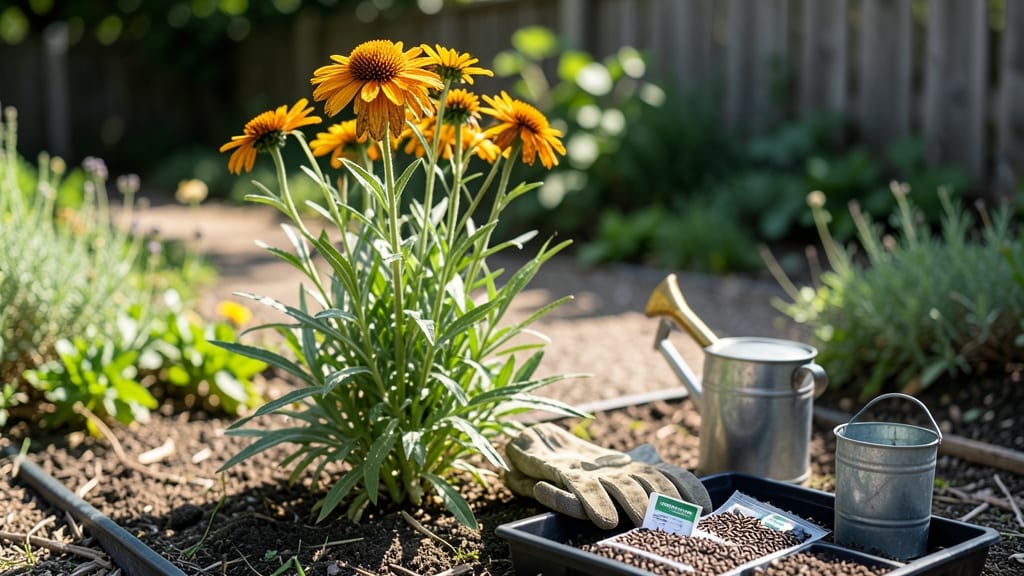
When to plant strawflower seeds means the difference between a garden bursting with 🌼 color and lost investment. These heat-loving blooms refuse to tolerate frost—so planting them too soon in USDA Zone 6a or beyond risks stunted growth or total failure. But get the window right, and you’ll enjoy summer-long displays with minimal effort.
The ideal moment arrives after your last frost date, typically in April or May for most regions. Strawflowers thrive in warmth, so rushing them into cold soil is a recipe for disappointment. Instead, wait until nighttime temperatures stay consistently above 50°F—that’s your green light to sow.
Here’s the game-changer: whether you’re direct-sowing outdoors or starting seeds indoors, this guide breaks down the exact frost-free deadlines by zone. I’ll also share my top tips for prepping soil and sunlight spots to give your strawflower seedlings the best possible start.
Skip the guesswork—let’s get those seeds in the ground at the perfect moment for lush, long-lasting blooms all season long.
USDA zone planting deadlines for strawflower seeds (by month)
Strawflowers thrive in warm weather but hate frost—even a light freeze can kill tender seedlings. To maximize blooms, plant seeds after your average last frost date, but timing varies dramatically across USDA zones.
In cooler zones (3-5), you’ll need to start seeds indoors 6-8 weeks early, while zones 7-11 can direct-sow after April 15 (adjust for microclimates). Below is your zone-by-zone planting timeline, including adjustments for high-altitude areas or late-spring frosts.
Pro tip: Check your local National Weather Service frost data or use the Old Farmer’s Almanac app for hyper-local deadlines. Even a single night below 32°F can devastate young strawflower seedlings, so don’t rush! For zones 3-5, indoor starting under grow lights is your best bet to beat the clock.
🌱
In high-altitude areas (e.g., Denver, CO or Flagstaff, AZ), add 2-4 weeks to these deadlines—frost lingers longer at elevations above 5,000 feet. For example, a Zone 6 gardener in Colorado might not hit last frost until May 15 instead of April 15.
Use a soil thermometer to confirm ground temps are above 55°F before planting.
For cooler microclimates (like valleys or shaded gardens), err on the side of caution. Delay planting by 1-2 weeks if your garden sits in a frost pocket. Conversely, in urban heat islands or near pavement, you can plant slightly earlier—soil warms faster in these spots.
Once you’ve nailed your planting window, prep your soil with compost and coarse sand to improve drainage. Strawflowers despise soggy roots, so amending heavy clay is a must. After sowing, keep seeds moist (not soggy) with a light misting until germination, which typically takes 7-14 days at 70-75°F.
🌿
If you’re in Zone 3 or 4, don’t skip indoor starting! Use seed-starting trays with a heat mat to speed germination. Transplant seedlings outdoors only after hardening them off for 7-10 days—hardy plants handle the transition better.
For zones 5-6, direct-sow after last frost, but protect seedlings with frost cloth if late frosts threaten.
Remember: Strawflowers reward patience. Planting at the right time ensures bold, long-lasting blooms from midsummer through fall. Miss the window, and you’ll get leggy, weak plants that flop in heat. Now grab your calendar, mark those deadlines, and get those seeds in the ground!
☀️
How to extend your strawflower season (indoor starting & succession planting)
Want strawflowers (Helichrysum bracteatum) blooming from early summer to fall? The secret is indoor starting and succession planting. By timing your seeds right, you can enjoy vibrant 🌼 displays for months instead of just a few weeks.
I’ve grown strawflowers for years, and this method guarantees continuous color—without overcrowding your garden.
Strawflower seeds need warm soil to germinate, which is why starting them indoors 6-8 weeks before your last frost date is a game-changer. This head start lets you transplant hardened-off seedlings into the garden as soon as conditions are safe.
Plus, you can stagger plantings every 2-3 weeks for a non-stop bloom show.
When to Plant Strawflower Seeds Indoors
- 📅 6-8 weeks before last frost: Start seeds indoors for early blooms.
- 🌱 Use seed trays with well-draining soil mix (60% peat moss, 40% perlite).
- 💡 Provide 14-16 hours of light daily with grow lights—strawflowers need bright conditions to thrive.
- 🌡️ Keep soil at 70-75°F using a heat mat if needed for faster germination.
- 🌱 Transplant seedlings outdoors after hardening off (2 weeks of outdoor acclimation).
🌱 Pro Tip: Use a seedling heat mat to speed up germination by 3-5 days.
For succession planting, start a new batch of seeds every 2-3 weeks after your first planting. This ensures a steady supply of blooms throughout the season.
For example, if your last frost is May 15, start your first batch indoors on March 15, then follow up with additional plantings on April 1 and April 15.
When transplanting, choose a sunny spot with at least 6 hours of direct sunlight daily. Strawflowers hate soggy soil, so amend your garden beds with compost to improve drainage. Space seedlings 12-18 inches apart to give them room to grow—crowding leads to leggy stems and fewer blooms.
Once established, strawflowers are drought-tolerant, but young seedlings need consistent moisture. Water lightly every 2-3 days to keep the soil evenly damp until they’re 4-6 inches tall. After that, reduce watering to once a week, letting the soil dry slightly between waterings to encourage strong root growth.
With this method, you’ll enjoy strawflower blooms from June through October—or even later in mild climates. The key is patience and planning, but the payoff is worth it: a garden bursting with color that lasts all season long. Happy planting! 🌻