
Plants
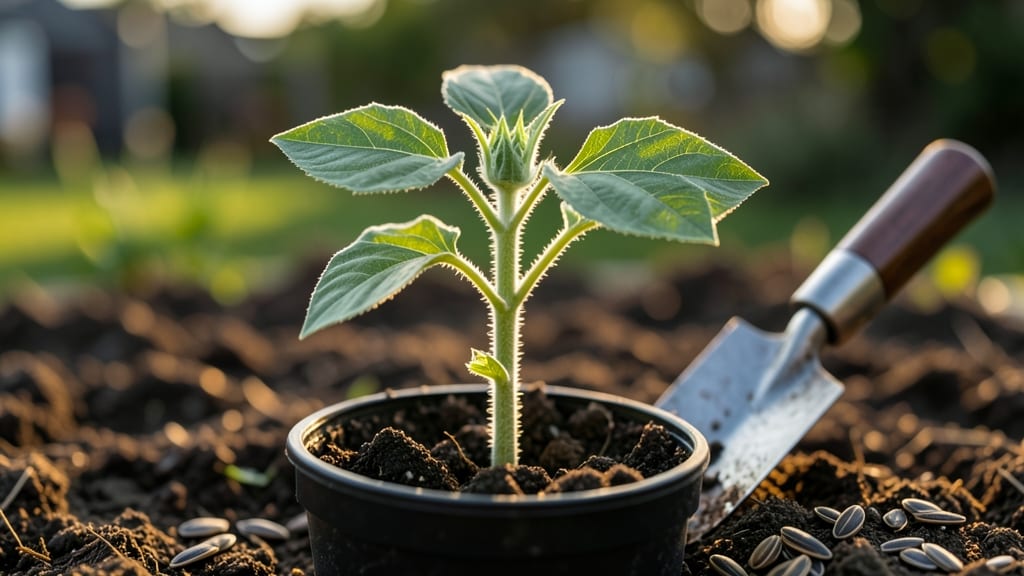
If you're dreaming of towering 🌻 sunflowers reaching toward Georgia's sky, knowing when to plant sunflower seeds in Georgia is the key to unlocking their full potential. Planting too early risks frost damage, while waiting too long can leave you with stunted blooms that never reach their 12-foot glory.
The perfect window depends on your specific heat zone, and getting it right means the difference between a thriving garden and a disappointing harvest.
Georgia's diverse climate—from the humid coastal regions to the warmer Piedmont—means your planting schedule should align with local frost dates and soil warmth. Whether you're in Zone 7a or Zone 8b, understanding these heat zone deadlines will help you avoid common mistakes that ruin growth.
Let me walk you through the exact months and conditions that set your sunflowers up for success, so you can enjoy those iconic blooms from summer through fall.
Direct sowing is the best approach for sunflowers, but knowing when to plant makes all the difference. Too early, and cold soil slows germination; too late, and your plants may struggle in the heat.
I'll share the ideal soil temperatures and regional adjustments to ensure your seeds sprout strong and grow tall. With the right timing, you'll be harvesting sunflowers that rival the tallest stalks in the state.
Ready to grow sunflowers that turn heads? Let’s dive into the planting schedule tailored to Georgia’s heat zones, so you can enjoy bigger blooms and a more productive garden. Whether you're a first-time gardener or a seasoned pro, these tips will help you master the art of sunflower planting.
Georgia’s sunflower planting timeline by heat Zone (best months for tallest stalks)
Georgia’s USDA heat zones 7a-8b create perfect conditions for sunflower growth, but timing is critical. Plant too early, and frost will nip tender seedlings. Too late, and your tallest stalks may struggle in summer heat. The key? Align planting with soil temperatures and frost-free dates to maximize height potential.
Sunflowers thrive in Georgia’s long growing season, but they need warm soil (60°F+) to germinate. In colder Zone 7a areas, wait until mid-April, while Zone 8b gardeners can start as early as late March.
Late summer plantings also work for fall-blooming varieties, but aim for seeds to sprout before first frost (typically October-November).
Here’s your heat zone planting schedule, including ideal windows for maximum stalk height and soil temperature requirements:
For Zone 7a gardeners, focus on mid-April to June plantings. This gives sunflowers 60-90 days of warm weather to reach their full height potential.
In Zone 8b, you can stretch plantings from February to October, but prioritize spring and fall for the tallest varieties like 'Mammoth Russian' or 'Autumn Beauty'.
Pro tip: Use a soil thermometer to confirm 60°F+ soil temps before planting. Cold soil delays germination, leading to uneven growth and weaker stalks.
If your soil is still chilly, try black plastic mulch to warm it faster—this is especially helpful in Zone 7a where spring nights can still dip below 50°F.
Direct-sow seeds 1 inch deep and 6-12 inches apart, depending on variety. Dwarf sunflowers (like 'Teddy Bear') can handle closer spacing, while giant varieties need room to spread their massive leaves.
Water deeply after planting to encourage strong root development, which is critical for supporting tall stalks during Georgia’s summer humidity.
Late-season plantings (July-August) work best for fast-maturing varieties like 'ProCut' or 'Early Bird'. These bloom in 60-75 days, avoiding the peak summer heat that can stress taller sunflowers. For fall harvests, aim to plant by mid-August in Zone 8b or late July in Zone 7a.
Remember: Sunflowers are heat-loving annuals, but they’ll bolt (flower prematurely) if stressed by drought or extreme heat. Mulch with straw or pine needles to retain moisture and regulate soil temperature.
In Zone 8b, where summers are long, consider shade cloth for young seedlings to prevent heat scorch.
With these heat zone deadlines, your sunflowers will grow
How to adjust planting time for Georgia’s microclimates (city-specific tips)
Georgia’s diverse climate means your sunflower seeds should hit the soil at different times depending on where you live. Atlanta’s urban heat can push planting dates earlier, while Savannah’s coastal humidity might delay germination.
Even within cities, elevation changes of just 100 feet can shift your ideal window by 1-2 weeks. Let’s break down how to time your plantings for Georgia’s most popular regions.
Urban areas like Atlanta and Macon experience the urban heat island effect, where pavement and buildings trap heat, making soil warm up 1-2 weeks faster than rural areas. This means you can plant sunflower seeds 2-3 weeks earlier in city gardens compared to nearby countryside.
For example, while rural North Georgia might wait until mid-April, Atlanta gardeners can start as early as late March in well-drained beds.
| Region | Urban Planting Window | Rural Planting Window | Key Adjustment |
|---|---|---|---|
| Atlanta | Late March - Early April | Mid-April | Soil warms 2 weeks faster in urban areas |
| Savannah | Early April - Mid-April | Mid-April - Late April | Coastal humidity delays germination by 1 week |
| Macon | Late March - Early April | Early April | Elevation differences of 100+ feet shift dates |
| North Georgia (Dahlonega) | Mid-April | Late April | Higher elevation means cooler soil longer |
In Savannah and coastal Georgia, humidity plays a bigger role than temperature. The extra moisture can slow germination, so wait until soil temperatures hit 60°F consistently before planting. If you’re in a low-lying area, consider raising beds to improve drainage and speed up the process.
For late bloomers like ‘Moulin Rouge’, you can extend your season by planting a second batch in early June—just be prepared to provide extra water during Georgia’s dog days of summer.
For rural areas in North Georgia, like Dahlonega or Blue Ridge, cooler nights and higher elevations mean you’ll need to wait until late April or early May to plant.
These regions also benefit from black plastic mulch, which warms soil faster and helps sunflowers establish roots before summer heat sets in. If you’re at 2,000 feet elevation, push planting back another 1-2 weeks to avoid frost risks.
Pro tip: Use a soil thermometer to confirm readiness—sunflower seeds need soil at least 55°F to germinate well. In Atlanta’s suburbs, you might see 65°F soil by early April, while rural South Georgia could still be in the 50s°F range.
Adjust your schedule based on actual temperatures, not just calendar dates.
Finally, don’t forget that container gardening gives you more flexibility. Urban gardeners with limited space can plant sunflower seeds in 5-gallon pots as early as March 15th in Atlanta, moving containers outside only after the last frost.
This trick lets you beat the heat and still enjoy towering stalks by summer.