
Plants
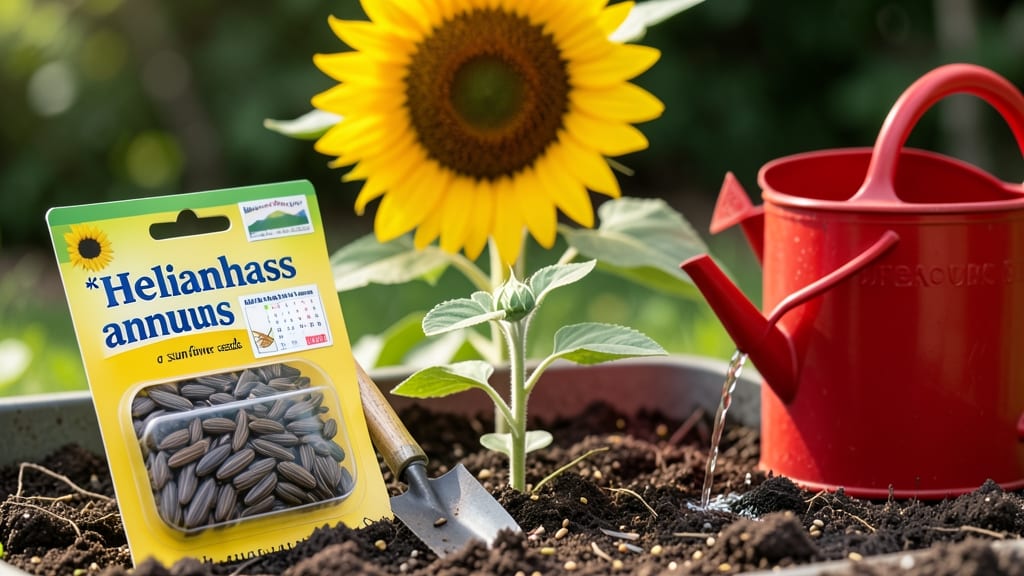
Planting sunflower seeds in Illinois at the right time can transform your garden from a patch of dirt to a dazzling 🌻 spectacle—if you time it perfectly to avoid frost bites and scorching heat.
The key window opens around April 15 and stretches through June 15, but skipping this deadline could leave you with stunted plants or worse, a total flop.
Why? Because Illinois' Zone 5-7 climate throws curveballs—late frosts in May or early heatwaves can derail even the most eager gardener. I’ve learned the hard way that waiting for soil to warm to 55°F (not just air temperature) is non-negotiable for those towering 8-14 ft giants we all dream of.
Here’s the game-changer: whether you’re direct-sowing seeds 1 inch deep or starting them indoors 4-6 weeks before the last frost, the right timing ensures your sunflowers beat the heat and thrive until harvest. Ready to nail this? Let’s break down the exact dates and tricks that work in Illinois.
From staggered planting to choosing heat-resistant varieties like ‘Autumn Beauty,’ I’ll show you how to turn your garden into a sunflower paradise—no guesswork required. Let’s get those seeds in the ground the right way.
Illinois frost-free deadlines for sunflower planting by Zone 5 & 6
Timing your sunflower seeds right in Illinois means understanding your last frost dates and soil temperature thresholds. In Zone 5 and Zone 6, these deadlines vary by microclimate—from northern cities like Chicago to southern regions near St. Louis.
Sunflowers thrive when planted after the last frost, typically when soil reaches 55°F or warmer, ensuring rapid germination and strong growth.
For most of Illinois, the ideal planting window stretches from mid-April to mid-June. However, late frosts in Zone 5 can push this back until early May, while Zone 6 gardeners often start as early as late April.
Using historical frost data from the Illinois State Climatologist, I’ve mapped out the best times to plant for both zones, including adjustments for urban heat islands and rural cooling effects.
Here’s a quick reference for your region. Remember, sunflowers are fast-growing annuals, so even late plantings in June can yield blooms by summer’s end—but expect smaller stature.
| Zone | Avg. Last Frost Date | Soil Temp Threshold | Ideal Planting Window | Notes |
|---|---|---|---|---|
| Zone 5 (e.g., Chicago, Rockford) | April 20–May 5 | 55°F+ (13°C+) | May 1–June 15 | Urban areas may warm faster; monitor soil temps. |
| Zone 5 (e.g., Springfield, Peoria) | April 10–April 25 | 55°F+ (13°C+) | April 25–June 10 | Rural areas may have later frosts; use row covers if needed. |
| Zone 6 (e.g., St. Louis, Decatur) | April 5–April 20 | 55°F+ (13°C+) | April 15–June 1 | Warmer microclimates allow earlier sowing; watch for heat stress. |
| Zone 6 (e.g., Carbondale, Marion) | March 25–April 10 | 50°F+ (10°C+) | April 1–May 30 | Southern Illinois has longer growing seasons; late plantings still thrive. |
To verify your local frost dates, check the National Weather Service or your county extension office. For example, Chicago’s last frost average is May 5, but rural areas like Moline often see frost until May 15.
Planting too early risks frost damage, while delaying past mid-June may result in shorter sunflowers.
For soil temperature checks, use a soil thermometer or the back-of-hand test: press your hand into the soil—if it feels warm (like a bath), it’s ready. Sunflowers germinate best in 60–85°F soil, so aim for planting when temps stabilize above 55°F for at least a week.
Pro tip: In Zone 5, start a few seeds indoors in late March using grow lights. Transplant seedlings outdoors after the last frost to jumpstart your season.
For Zone 6, direct sowing works well once soil warms, but staggered plantings every 2 weeks ensure continuous blooms from summer to fall.
Sunflowers are drought-tolerant once established, but young seedlings need consistent moisture. Mulch with straw or grass clippings to retain soil warmth and suppress weeds. In dry years, like 2012, sunflowers still perform well if planted early and given 1–2 inches of water weekly during germination.
If you’re growing sunflowers for cut flowers, prioritize early May plantings in Zone 5 to maximize height before summer heat. For birdseed production, late June plantings in Zone 6 yield smaller but still productive heads by fall.
Always choose disease-resistant varieties like ‘Moulin Rouge’ or ‘Autumn Beauty’ for Illinois’ humid summers.
Keep an eye on your local almanac for unpredictable late frosts, especially in valleys or low-lying areas. A frost cloth can protect young seedlings if temperatures dip below 28°F after planting.
With the right timing, your sunflowers will reach towering heights—some varieties even surpassing 12 feet in a single season!
How to adjust sunflower planting for Illinois weather variations
Illinois' unpredictable spring frosts and summer heatwaves can turn sunflower planting into a high-stakes game. While most gardeners aim for mid-April to early May, late frosts in Zone 5 (like those in Chicago) often delay planting until mid-May.
Meanwhile, southern Zone 6 areas (e.g., St. Louis) can safely start as early as late March—if you're brave enough!
To hedge your bets, I recommend staggered sowing—planting seeds in two-week intervals from April 15 to May 15. This ensures some sunflowers will bloom early (great for cut flowers) while others mature later for seed harvests.
For example, 'Autumn Beauty', a cold-hardy variety, can handle light frosts and extends your blooming window into early fall.
Here’s the kicker: Illinois' summer droughts (especially in July and August) can stunt growth if soil moisture drops below 1 inch per week. My trick? Deep watering every 3–5 days at the soil base (not just the leaves) to encourage deep root systems.
Mulching with straw or wood chips locks in moisture and keeps roots cool—critical for tall varieties like 'Mammoth' that can top 12 feet.
Even after your last frost date, Zone 5 areas (e.g., Northern Illinois) can see late frosts until May 15. To protect young seedlings (1–2 inches tall), cover them with frost blankets or row covers on nights when temps drop below 32°F. Avoid planting before April 15 unless you’re using cold-hardy varieties like 'Autumn Beauty' or 'Teddy Bear', which tolerate 28°F.
🌱 Pro Tip: Test soil temps with a soil thermometer—wait until it hits 55°F+ for 24 hours before planting.
For heatwave resilience, choose drought-tolerant varieties like 'ProCut' or 'Russian Giant'. These thrive in 90°F+ temperatures if given consistent deep watering. In southern Illinois, where summers are hotter and drier, I space plants 18 inches apart to reduce competition for water.
Pair this with drip irrigation to avoid wetting leaves (which attracts powdery mildew).
Don’t overlook soil moisture tricks like hydro-mulching—spreading a thin layer of hydrogel crystals in planting holes retains 3x more water than mulch alone. This is a game-changer for sandy soils common in central Illinois, where water drains too quickly.
For clay-heavy soils (like in southern Illinois), amend with compost to improve drainage and aeration.
Finally, if your sunflowers bolt too quickly (a sign of heat stress), switch to shorter-day varieties like 'Sunspot' (60-day maturity). These are bred to handle Illinois’ long summer days without rushing to flower.
Combine this with shade cloth during peak afternoon heat (1–4 PM) to protect seedlings until they’re 6 inches tall.