
Plants
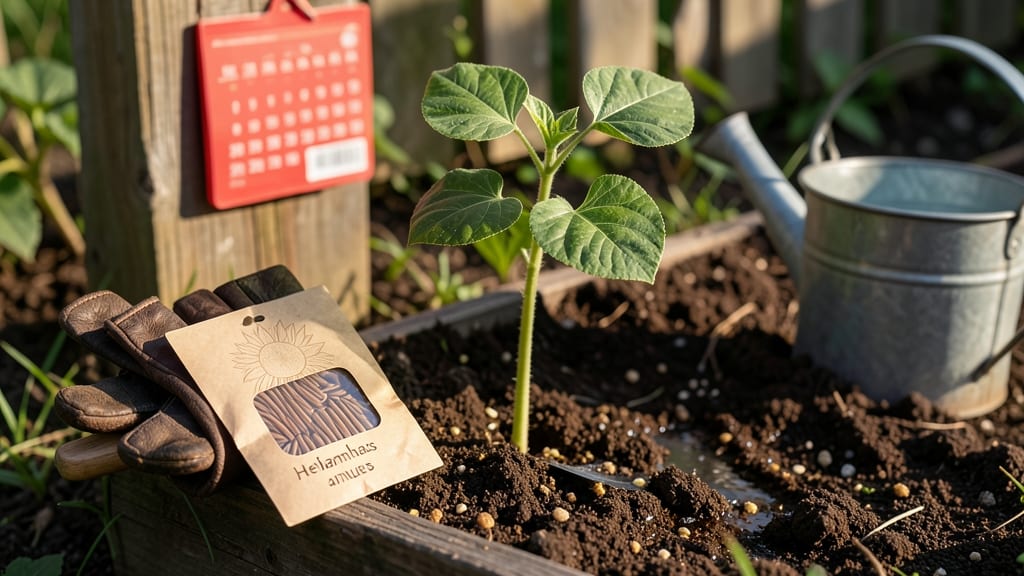
Timing when to plant sunflower seeds outside just right is the game-changer between towering blooms and sad, stunted plants. Planting too early can leave them vulnerable to frost, while waiting too long risks missing the ideal growing window entirely—especially in USDA Zone 6a where spring temperatures can be unpredictable.
Most gardeners focus on calendar dates, but the real secret lies in soil warmth. Sunflower seeds need temperatures between 60-85°F to germinate properly, and a simple soil test can tell you exactly when to plant—often weeks after the last frost date.
I’ll show you how to check this without fancy tools, so you can get those seeds in the ground at the perfect moment for fast, healthy growth.
Whether you’re planting mid-April to early June or adjusting for your local climate, this guide covers everything from frost-free dates to heat-tolerant varieties. You’ll learn how to avoid common mistakes and give your sunflowers the best possible start—so they’ll reach their full 3-14-foot potential by late summer.
Ready to skip the guesswork? Let’s dive into the exact steps to plant your sunflower seeds at the right time—so you can enjoy those bright blooms from August to October without the frustration.
The perfect timing for planting sunflower seeds based on soil temperature
Sunflowers thrive when planted in warm soil, not just warm air. The ideal soil temperature range for germination is between 60-85°F. Planting too early in cold soil can delay sprouting by weeks—or worse, cause seeds to rot.
Understanding this range helps you avoid the frustration of waiting for sunflowers that never emerge.
Most gardeners rely on frost-free dates, but soil temperature tells a more accurate story. A late frost might pass, but if the ground stays chilly, your seeds will still struggle.
Sunflowers need consistent warmth to break dormancy and sprout efficiently. In USDA zones 3-11, this means adjusting your planting window based on both climate and soil conditions.
Here’s how to align your planting with soil warmth for the fastest, healthiest sunflowers:
In USDA zones 3-5, where frosts linger into May, patience is key. Wait until the soil temperature consistently stays above 65°F during the day. A simple soil thermometer (available for under $10) will save you guesswork.
For example, in Zone 4, planting in late May—even if the air feels warm—might still leave your soil too cold for reliable germination.
Gardeners in zones 6-8 have more flexibility, but timing still matters. The sweet spot is when soil reaches 60-70°F, typically aligning with late April to early May. This range ensures seeds germinate in 7-14 days rather than weeks.
Pro tip: If your soil is slow to warm, try black plastic mulch a week before planting to raise temperatures by 5-10°F.
For zones 9-11, where winters are mild, you can plant sunflowers as early as February if soil temperatures are already ideal. However, avoid planting in peak summer heat (above 85°F), as this can stress young seedlings.
Instead, opt for late winter or early spring when days are warming but nights remain cool.
Even in warm climates, late-season planting (July) is possible if you choose dwarf or fast-maturing varieties. These sunflowers can still produce blooms by fall, adding late-season color to your garden. Just ensure soil is at least 65°F and monitor moisture closely, as summer heat increases evaporation rates.
One common mistake is relying solely on air temperature rather than soil warmth. For instance, a 70°F day might feel perfect, but if the soil is still 50°F, your seeds could take 3+ weeks to sprout—or not sprout at all.
Always check soil temperature 1 inch deep, where seeds are planted, for the most accurate reading.
If you’re unsure about your local soil temperature trends, check historical planting guides for your region or use a soil thermometer for a week to monitor fluctuations.
In my Zone 7 garden, I’ve found that planting in early May (when soil hits 68°F) yields the fastest germination and strongest stems.
For gardeners in cooler microclimates, like shaded areas or high elevations, consider starting seeds indoors 2-3 weeks early in biodegradable pots. Once soil warms outdoors, transplant seedlings gently to avoid root disturbance. This two-step approach can shave 10-14 days off your growing season.
Remember, sunflowers are resilient, but they won’t wait forever. The 60-85°F soil range is your golden window for success. Plant too early, and you’ll battle slow starts; plant too late, and you might miss the peak bloom season.
Strike that balance, and you’ll enjoy towering stems and vibrant blooms all summer long. 🌻
How to use the soil warmth test to plant sunflower seeds at the right time
Testing soil warmth is the most reliable way to determine when to plant sunflower seeds outside. Unlike calendar dates, soil temperature accounts for your local climate and weather fluctuations. For sunflowers, the ideal range is 60-85°F—any cooler, and germination slows dramatically or fails entirely.
I’ve learned that even in USDA Zone 6a, where last frost might pass by mid-April, soil can remain too cold for weeks afterward.
You don’t need expensive equipment—a simple soil thermometer (or even a reliable outdoor thermometer) works perfectly. Check temperatures at 1-inch depth, since that’s where you’ll plant the seeds. Morning is best because overnight temperatures can drop, giving you a more accurate reading for daytime planting.
If your soil is below 60°F, hold off—your seeds will just sit there waiting, vulnerable to rot.
Here’s my step-by-step method for testing and planting at the perfect time:
🌱 Step-by-Step Soil Warmth Test for Sunflowers
-
Step 1: Choose Your Location
Pick a spot with full sun exposure (6+ hours daily) and well-draining soil. Avoid areas where water pools after rain. -
Step 2: Test Soil Temperature
Use a thermometer to check 1-inch depth at 10 AM for 3 consecutive days. Aim for 60°F+ for germination. -
Step 3: Adjust for Frost Risk
If nights are still below 40°F, use row covers or black plastic mulch to warm soil faster (adds 2-5°F). -
Step 4: Plant When Ready
Drop seeds 1 inch deep, 6 inches apart. Water lightly to settle soil, but avoid overwatering—sunflowers hate soggy roots. -
Step 5: Monitor for Sprouts
Germination takes 7-14 days at ideal temps. If no sprouts appear in 2 weeks, soil may still be too cold—try again later.
Cold soil is the #1 reason sunflower seeds fail to sprout. If your thermometer reads below 55°F, don’t panic—use black plastic mulch to raise soil temps by 5-10°F in just days.
Lay it down a week before planting, and you’ll create a warmer microclimate. For extra protection, add a row cover at night to shield young seedlings from late frosts.
Pro tip: In USDA Zones 3-5, I’ve planted sunflowers as late as early June using these methods and still gotten towering blooms by August. The key is patience—waiting for the soil to warm naturally ensures your sunflowers start strong, not stressed.
Once they’re up, they’ll grow 2-3 inches per day in ideal conditions!
Remember, sunflowers are heat-loving annuals, so the later you plant (within reason), the more time they’ll have to mature before fall frosts. But never plant after July 15th in most zones—you’ll miss the 70-90-day growth window needed for full-size blooms.
With the soil warmth test, you’ll never guess again—just plant with confidence and watch those giant sunflowers shine! 🌻