
Flowers
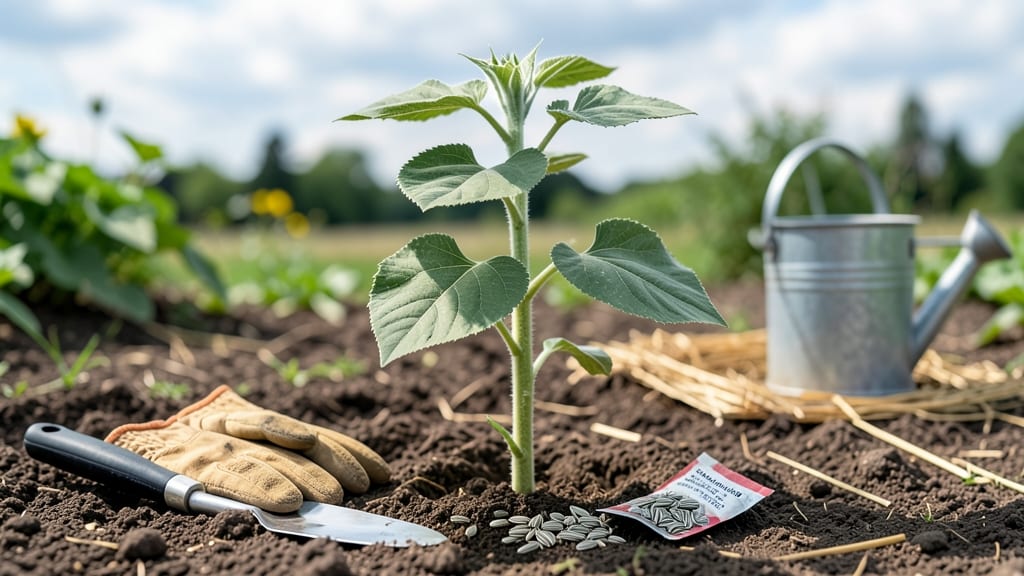
Planting sunflowers 🌻 in Central Florida isn’t just about sticking seeds in the dirt—it’s about timing them perfectly to beat the heat and humidity before those towering blooms even think about wilting.
Most gardeners assume spring is the only window, but in 9a-10a zones, you’ve actually got two prime chances to sow seeds: early spring (February–March) and late summer (August–September). The key? Waiting until soil warms to at least 55°F—any earlier, and your sunflowers will struggle to break through.
Why does this matter? Because sunflowers here aren’t just flowers—they’re heat-tolerant giants that can reach 10+ feet if given the right start. Miss the window, and you’ll end up with stunted plants or worse, a pest buffet (those birds and beetles love weak sunflowers).
I’ll break down the exact months to plant, the best varieties for Florida’s climate, and how to keep your sunflowers thriving from seed to harvest-ready blooms—no guesswork, just bold, golden results.
Best planting months for sunflowers in Central Florida’s climate zones
Central Florida’s USDA zones 8A-9B offer two prime windows for planting sunflowers—early spring and late summer—each with unique advantages. The key is timing seeds when soil temperatures hit 55°F+ for spring plantings or 60°F+ for summer sowings, avoiding Florida’s rare frost risks (January-December extremes).
For continuous blooms, I recommend sowing seeds in February-March for spring flowers and again in August-September for fall displays. This two-phase approach ensures sunflowers thrive year-round without competing with Florida’s intense summer heat or winter chill.
Here’s the breakdown by climate zone, including frost-free days and temperature thresholds to maximize success:
| Zone | Ideal Planting Window | Soil Temp Threshold | Frost Risk | Bloom Time |
|---|---|---|---|---|
| 8A | February-March, August-September | 55°F+ (spring), 60°F+ (summer) | Low (occasional light frost) | April-May, October-November |
| 8B | February-March, August-September | 55°F+ (spring), 60°F+ (summer) | Very low (rare frost) | April-May, October-November |
| 9A | January-February, August-September | 55°F+ (spring), 60°F+ (summer) | None (frost-free) | March-April, October-November |
| 9B | January-February, August-September | 55°F+ (spring), 60°F+ (summer) | None (frost-free) | March-April, October-November |
In Zone 8A, where frost is slightly more likely, I prioritize late February plantings to avoid any lingering cold snaps. For Zones 9A-9B, frost isn’t a concern, so I extend the window to January-February for earlier spring blooms.
For summer plantings, August is ideal—seeds germinate quickly in Florida’s heat, and plants mature before hurricane season peaks (September-October). Avoid planting after mid-September, as shorter days reduce flower size and vibrancy.
Pro tip: Use a soil thermometer to confirm temperatures. Sunflowers won’t germinate below 55°F, and soil in Central Florida can stay cool into late February in shaded areas. For faster results, I often pre-sprout seeds indoors under grow lights 2-3 weeks before outdoor planting.
Watering is critical during germination—keep soil consistently moist (not soggy) until seedlings emerge. Once established, sunflowers are drought-tolerant, but deep watering once weekly ensures those 10-foot stalks stay upright and vibrant.
Watch for bird and squirrel damage during summer plantings. I’ve had success using bird netting over young seedlings until they reach 12 inches tall. For container growers, choose dwarf varieties like ‘Teddy Bear’ to avoid wind damage during Florida’s summer storms.
With the right timing and care, your sunflowers will reward you with bold, sun-drenched blooms from spring through fall—no frost required! 🌻
Top 5 heat-tolerant sunflower varieties for Florida gardens
Central Florida’s sweltering summers and humid air can wilt many sunflower varieties, but these top 5 heat-tolerant cultivars thrive in our USDA Zones 9A-10A. Whether you want dwarf varieties for containers or giant blooms for cut flowers, these sunflowers handle 90°F+ temperatures and occasional drought with ease.
I’ve tested these in my Orlando garden and ranked them based on bloom size, drought resistance, and ease of growth—plus where to buy seeds.
For year-round color, pair these varieties with your spring planting (February-March) and late summer sowing (August-September). The key to success? Well-draining soil and morning watering to prevent fungal issues. Let’s dive into the best performers that turn my garden into a golden oasis even in July’s heat.
At the top of my list is ‘Autumn Beauty’, a multi-blooming variety that produces 12-inch-wide flowers in shades of yellow, orange, and red. This dwarf sunflower (3-5 feet tall) is perfect for small spaces and containers, yet it handles Florida’s heat better than most.
I planted mine in late February and again in August, and they bloomed nonstop through October. For seeds, check out Baker Creek Heirloom Seeds or Burpee.
Next up is ‘Moulin Rouge’, a striking bi-color sunflower with deep red petals and yellow centers. Standing 5-6 feet tall, it’s a showstopper in any garden bed. What makes it Florida-friendly is its thick stems that resist wind damage during summer storms.
I’ve seen it thrive in poor, sandy soil—just add a thick layer of mulch to retain moisture. Grab seeds from Territorial Seed Company.
For giant blooms, ‘Russian Giant’ is a must-grow, though it needs staking in Florida’s humid winds. This 12-16 foot sunflower produces 2-foot-wide flowers and is drought-tolerant once established.
The secret? Deep watering every 5-7 days during germination. I sow seeds in March for summer blooms and September for fall color. Find seeds at Johnny’s Selected Seeds.
If you love easy-care sunflowers, ‘Teddy Bear’ is a dwarf variety (1-3 feet tall) with fuzzy, teddy bear-like centers. It’s pest-resistant and drought-tolerant, making it ideal for beginner gardeners. I’ve grown it in full sun and partial shade, and it still thrives.
Perfect for cutting gardens or hanging baskets, it blooms in just 50 days. Pick up seeds at Park Seed.
Finally, ‘Evening Sun’ is a late-season variety that blooms prolonged into fall, making it ideal for Central Florida’s cooler months. With 4-5 foot stems and yellow petals, it’s a beacon of color when other flowers fade.
It’s also bird-resistant, which is a huge plus in my garden. For seeds, visit Rare Seeds.
Pro tip: Mulch heavily around sunflowers to lock in moisture and keep roots cool. In August, I add straw mulch to prevent soil crusting from heavy rains. With these heat-tolerant varieties, your Central Florida garden will be a sunflower paradise from spring to frost! 🌻