
Flowers
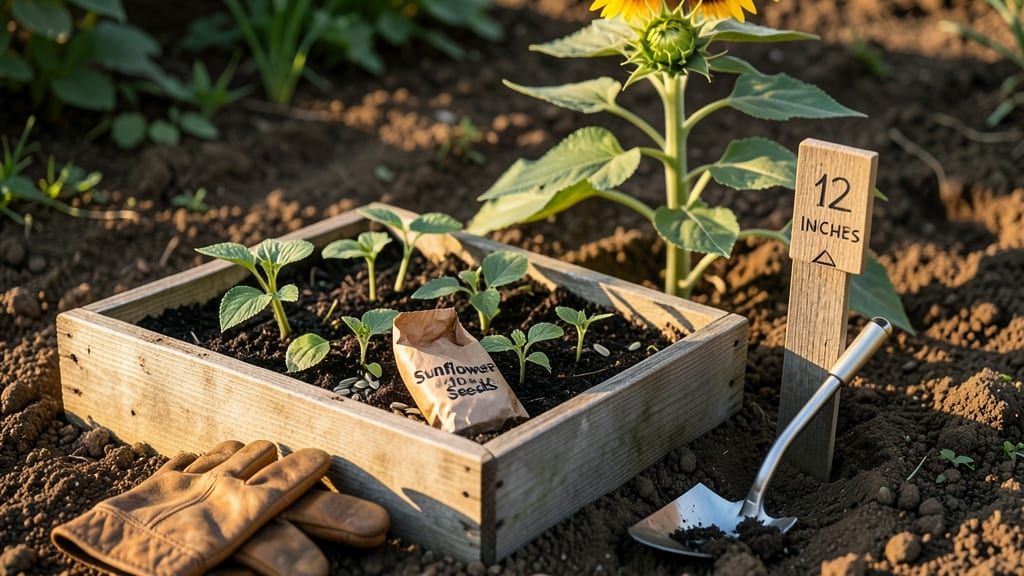
Planting sunflowers in Colorado at the wrong time can turn your 🌻 dreams into droopy stalks before they even bloom. Whether you're gardening in Denver's 5,280-foot elevation or the high-altitude plains, timing matters more than you might think—especially when frost-free dates shift dramatically across the state.
Most gardeners assume late spring is the only window, but Colorado's varied microclimates mean your neighbors might be harvesting while you're still waiting for sprouts.
The key is understanding your local frost dates and adjusting for sunflowers' 60-90 day growth cycle, which can feel like an eternity when summer heat arrives early.
I've tested sunflower planting across Colorado's zones, from the Front Range to the Western Slope, and what works in Zone 5 won't cut it in Zone 7.
Let me show you exactly when to plant for your specific elevation—plus pro tips to beat Colorado's unpredictable weather and give your sunflowers the best shot at reaching their full, towering potential.
Ready to grow sunflowers that rival the Rocky Mountains themselves? The secret starts with knowing when to put those seeds in the ground—and it's not as simple as waiting for Memorial Day. Let's get your planting calendar dialed in for success.
Colorado sunflower planting deadlines by elevation Zone
Colorado’s dramatic elevation changes create three distinct sunflower planting zones—each with its own frost-free deadlines and heat-tolerance challenges. In the lowlands (3,000–5,000 ft), warm springs arrive earlier, while mountain gardens (7,000+ ft) face shorter growing seasons.
Even foothills (5,000–7,000 ft) require careful timing to avoid late frosts. I’ll break down the exact windows for each zone, including adjustments for soil warmth and summer drought risks.
Sunflowers need 60–90 warm days to mature, making timing critical. Plant too early in cold zones, and frosts will kill seedlings. Plant too late in high-altitude areas, and blooms won’t develop before frost.
My Colorado-specific guidelines account for average last-frost dates while giving flexibility for microclimates—like urban heat islands or sheltered valleys that warm faster.
For lowland gardens, aim to plant by mid-May to ensure blooms before Colorado’s first autumn frosts (typically late September–early October). In Denver (5,280 ft), I’ve had success with ‘Autumn Beauty’ planted as late as June 1—its 90-day maturity lets it finish before frost.
However, if you’re in Colorado Springs (6,035 ft), push planting to early May to avoid late spring frosts.
High-altitude gardeners face the toughest challenge: short growing seasons. At 7,000 ft and above, sunflowers need to mature in just 80–90 days. Varieties like ‘Teddy Bear’ (50 days) or ‘Moulin Rouge’ (60 days) are my top picks for these zones.
I recommend using black plastic mulch to warm soil faster and row covers for early protection.
One common mistake? Assuming all of Colorado has the same frost dates. Western Slope areas like Grand Junction (4,456 ft) can plant 2–3 weeks earlier than Front Range cities due to drier, warmer microclimates.
Always check your local CoCoRaHS station or Colorado Climate Center data for precise frost dates—these resources are gold for gardeners.
If you’re in a transition zone (e.g., 6,500–7,000 ft), split your planting: sow half in early May and half in late May. This staggered approach ensures blooms at different times, maximizing your summer-long display.
I’ve also had luck with container growing in mountain towns—pots warm faster and can be moved to sunny spots.
Don’t forget: soil temperature matters more than air temperature. Use a soil thermometer to confirm 55°F+ (13°C) before planting. In cold springs, delay until soil warms, even if air temps seem ideal.
For foothill gardens, I’ve used clear plastic tunnels to jumpstart seedlings in April, then transplanted after last frost.
Pro tip: Adjust for elevation by adding 1 day of maturity per 100 ft above 5,000 ft. A 70-day variety at 8,000 ft might only have 50 days of true growing time. This rule helps me pick the right varieties for my Eagle County (7,500 ft) garden every year.
Finally, watch for summer drought stress, especially in lowlands. Once established, sunflowers are drought-tolerant, but seedlings need consistent moisture. I’ve found that deep watering 2–3 times per week in June–July keeps plants thriving even during Colorado’s dry spells.
Mulching with straw or wood chips locks in moisture and regulates soil temp.
With these elevation-specific deadlines, your sunflowers will thrive from the Front Range to the Rockies. Start with the right timing, and you’ll enjoy towering blooms that rival any Colorado sunset. 🌻
How to adjust sunflower planting for Colorado’s microclimates
Colorado’s microclimates create unique challenges for sunflower growers. In high-altitude zones like Steamboat Springs, frost can linger until June 15, while Denver’s urban heat islands may see earlier soil warming.
The key is adapting your planting strategy to match your local conditions—whether that means using season extenders or choosing fast-maturing varieties.
At elevations above 7,000 feet, sunflowers need a head start. I’ve found that starting seeds indoors 4-6 weeks before the last frost date gives them the jump they need.
For lower elevations, direct sowing after May 15 works well, but always check your local CoCoRaHS frost data for precise timing.
Here’s the critical adjustment you might miss: soil temperature. Sunflower seeds won’t germinate well below 55°F (13°C). In cold mountain valleys, use black plastic mulch to warm the soil faster—it can add 2-3 weeks to your effective growing season.
This simple trick has helped my high-country sunflowers reach maturity when others give up.
Don’t let late spring frosts catch you off guard! Even after your last frost date, mountain valleys can experience flash frosts in May. Use frost cloth row covers for the first 2-3 weeks after planting. In Zone 4-5 areas, wait until Memorial Day weekend to plant outdoors—earlier sowings risk seed rot.
Pro Tip: Plant succession crops every 2 weeks in June for continuous blooms through fall.
Water management becomes critical in Colorado’s dry summers. Sunflowers need 1-2 inches of water weekly, but overwatering leads to root rot. I’ve had success with drip irrigation on a timer—it delivers water directly to roots while keeping foliage dry.
For container growers, ensure pots have drainage holes and use well-draining soil mixes to prevent waterlogging.
For high-altitude gardens, select fast-maturing varieties like 'Teddy Bear' (55 days) or 'Moulin Rouge' (60 days). These dwarf varieties reach maturity before early fall frosts hit mountain regions. In lower elevations, you can afford taller varieties like 'Russian Giant', but be prepared for staking in windy areas.
Don’t forget about wind protection—Colorado’s chinook winds can snap young sunflower stalks. I’ve used windbreaks made of cornstalks or bamboo stakes to support early growth. Even a light trellis can make the difference between a straight, proud sunflower and a leaning, broken stalk.