
Plants
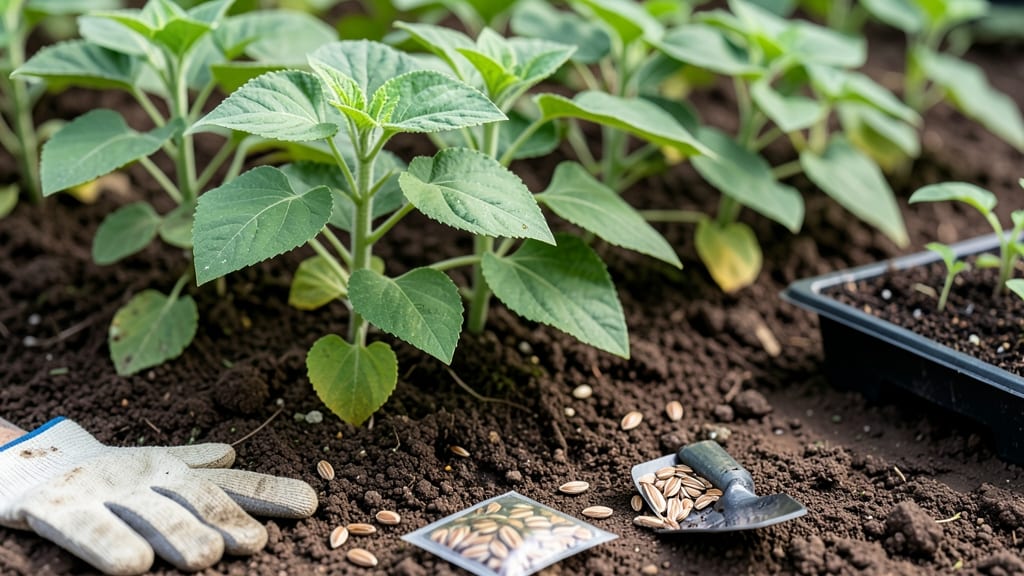
Planting sunflower seeds in North Carolina at the wrong time means watching your 🌻 dreams wither before they even bloom. The key to success lies in understanding your specific zone—whether you're in the cooler mountains or warmer Piedmont—because those frost-free deadlines can shift by weeks.
Most gardeners in zones 6a-8b should start seeds between mid-April and mid-June, but late August plantings can still yield stunning fall blooms. The secret isn't just about dates—it's about soil temperatures hitting that 50-60°F sweet spot for germination, and knowing exactly when your last frost will pass.
I've learned the hard way that rushing sunflowers into cold soil or planting too late for summer heat can turn your garden into a sad, stunted disappointment. But with the right timing, you'll get those towering 10-foot giants or cheerful dwarf varieties thriving right when you need them most.
Let me show you exactly how to read your local frost charts, adjust for microclimates, and choose planting windows that guarantee bold, healthy blooms—no guesswork required.
North Carolina sunflower planting calendar: frost dates & soil temperature zones
North Carolina's diverse climate—from the Coastal Plain to the Mountain regions—means your sunflower planting timeline should match your USDA zone (6a-8b). Getting the timing right ensures your Helianthus annuus seeds germinate quickly and grow into those iconic 10-foot giants you love.
The key? Waiting until soil temperatures hit 50-60°F and avoiding late spring frosts that can kill tender seedlings.
Most NC gardeners aim to plant sunflower seeds between mid-April and mid-June for summer blooms, but your exact window depends on where you live. In Zone 8b (southern NC), you might start as early as mid-March, while Zone 6a gardeners in the mountains should wait until late April.
Late summer plantings (August) can yield fall-blooming varieties, though they’ll mature faster before winter sets in.
Here’s the critical rule: Never plant sunflowers until the soil temperature consistently stays above 50°F at a depth of 1 inch. Cold soil delays germination and can lead to rot or weak seedlings.
Use a soil thermometer to check—it’s the only way to be sure. For most NC zones, this means waiting until mid-to-late April, unless you’re in the warmest pockets of Zone 8b.
🌱Pro Tip: If you’re eager to start early, consider starter plants from local nurseries (available by early May in NC). They’ll give you a head start over direct-sown seeds, which can take 7-14 days to sprout in cooler soil.
Planting too early? Your sunflowers might face frost damage or rot from cold, wet soil. But planting too late? You’ll miss the longest daylight hours needed for those towering stems. The sweet spot is aligning your planting with 6-8 hours of sunlight daily—which NC’s summer provides in abundance.
For Zone 7a and below, aim for late April to early May to balance frost risk and daylight. In Zone 8a/8b, you can stretch planting into June for late-summer blooms, but expect smaller flowers.
If you’re growing dwarf varieties (like ‘Teddy Bear’), they’re more forgiving and can handle slightly cooler soil.
🌡️Soil Temp Hack: Use black plastic mulch or a seedling heat mat to warm cold soil faster. This lets you plant 1-2 weeks earlier in cooler zones like Zone 6a. Just remove the mulch once seedlings emerge to avoid overheating.
Remember: Sunflowers are fast growers—some varieties reach 10 feet in 80 days. If you’re in Zone 8b and plant in August, you’ll likely have blooms by October, just in time for fall color. But in Zone
How to adjust planting time for sunflower varieties & growing conditions
Not all sunflowers are created equal—and neither are their planting schedules! Dwarf varieties like 'Teddy Bear' (2-3 feet tall) thrive with earlier starts, while giant varieties such as 'Mammoth' (10+ feet) need warmer soil to reach their towering potential.
Adjusting your timing based on these differences ensures robust growth and stunning blooms all season.
Container-grown sunflowers also have unique needs. Since pots heat up faster, you can plant them 2-3 weeks earlier than in-ground varieties. Just ensure your containers have drainage holes to prevent root rot—a common pitfall in NC's humid summers.
For shade-tolerant varieties like 'Autumn Beauty,' extend your planting window into early June. These adaptable types handle partial shade better, making them ideal for eastern exposures or areas with tall trees casting afternoon shadows.
- 🌱 Dwarf varieties: Plant April 15–May 15 for early summer blooms (60–75 days to maturity).
- 🌿 Giant varieties: Wait until May 1–June 1 when soil reaches 60°F+ for optimal stem strength.
- 🪴 Containers: Start 2–3 weeks earlier (early April) to capitalize on faster soil warming.
- 🌳 Shade-tolerant: Extend to June 1–15 for late-season color in partial shade.
- 🌻 Succession planting: Sow every 2 weeks from April–July for continuous blooms.
- ❄️ Cooler microclimates: Use row covers to plant 10–14 days earlier in mountain zones.
Succession planting is a game-changer for NC gardeners. By sowing new seeds every 2 weeks from April through July, you’ll enjoy sunflowers blooming from June through October. This method also prevents overcrowding, giving each plant room to reach its full potential.
In cooler mountain microclimates (like Zone 6a), extend your season by using black plastic mulch or row covers. These tools raise soil temperatures by 5–10°F, allowing you to plant 10–14 days earlier without risking frost damage.
For container gardeners, prioritize fast-maturing varieties like 'ProCut' (50 days) to maximize your small space. Place containers on south-facing patios or use reflective surfaces (like white gravel) to intensify sunlight exposure—critical for container-grown sunflowers.