
Planting
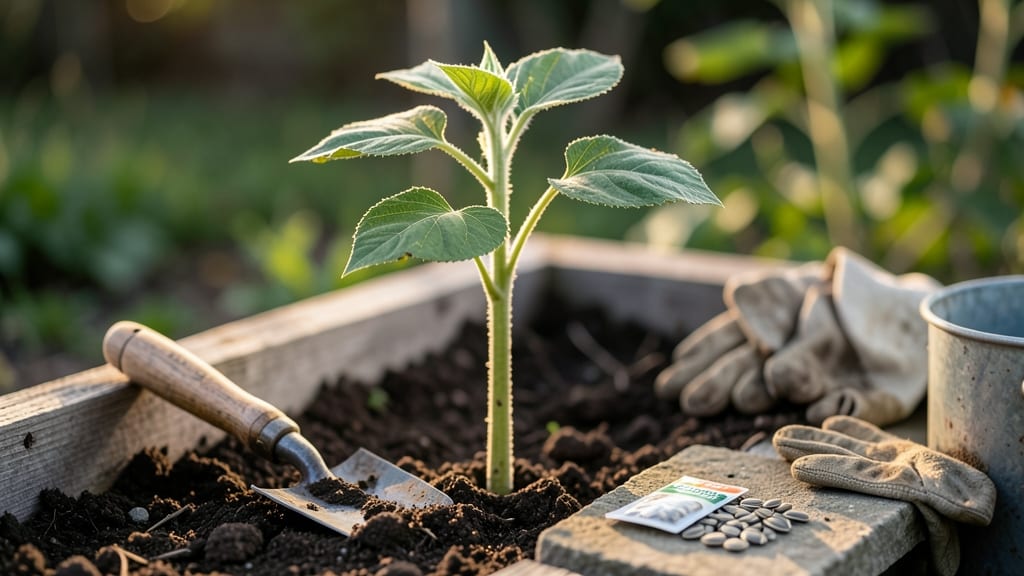
Most gardeners swear by spring planting, but the truth is more nuanced: your local frost dates and soil warmth are the real game-changers. In Zone 6a, for example, waiting until after April 15th gives your sunflowers the head start they need to beat the first frost.
But in sunnier climates, summer planting can work too—if you time it just right.
Here's the secret: sunflowers love warmth, but they hate soggy soil and late frosts. We'll break down exactly when to plant in your area, plus how to adjust for early bloomers versus late-season varieties. Ready to grow sunflowers that reach for the sky? Let's get started.
The best part? Once you master the timing, these low-maintenance plants reward you with months of vibrant color and bird-friendly seeds. No more guesswork—just reliable blooms from July through October. Let's make your sunflower season a success.

Sunflower planting calendar by USDA Zone: when to start seeds for full sun exposure
Sunflowers thrive in warmth and sunlight, but their planting window varies dramatically across the USDA zones. In colder regions like Zone 3, you’ll want to start seeds indoors early, while Zone 11 gardeners can plant directly into the soil year-round.
The key is aligning your planting with last frost dates and heat tolerance to ensure those iconic blooms appear on schedule.
For most gardeners, the ideal planting window falls between late spring and early summer, but exact timing depends on your zone. Early planting (March-April) works in warmer zones, while late planting (June-July) is safer in cooler climates.
Let’s break down the best months for each zone to maximize your sunflower’s potential.
| USDA Zone | Best Planting Window | Last Frost Deadline | Bloom Time |
|---|---|---|---|
| Zones 3-4 | Indoors: March 15 - April 15 Outdoors: May 1 - June 1 |
May 10 (avg.) | July - September |
| Zones 5-6 | Indoors: April 1 - May 1 Outdoors: May 15 - June 15 |
April 20 (avg.) | July - October |
| Zones 7-8 | Outdoors: April 15 - June 15 | March 25 (avg.) | June - October |
| Zones 9-10 | Outdoors: March 15 - July 15 | February 15 (avg.) | May - November |
| Zone 11 | Year-round (best: Sept - Feb) | No frost | Year-round (seasonal) |
In Zones 3-4, where frosts linger late, I recommend starting seeds indoors by mid-March to give them a head start. Transplant outdoors only after the soil reaches 55°F—typically by early May. This timing ensures your sunflowers avoid late-season heat stress while still blooming before the first frost.
Gardeners in Zones 5-6 have a slightly longer window, with direct sowing possible from mid-May through June. The key here is to plant after your last frost date, which can vary by 10-14 days even within the same zone.
For example, Chicago (Zone 5b) might have a last frost around April 25, while Denver (Zone 5a) could see frost until May 10.
For Zones 7-8, where summers are long and hot, you can push planting later—even into early July—for a fall harvest. However, avoid planting after July 15 in these zones, as sunflowers need at least 80 days to mature.
Late plantings may not bloom before cooler weather sets in, leaving you with tall stems but no flowers.
In Zones 9-10, the real magic happens with extended planting windows. You can sow seeds as early as March or as late as July, giving you three potential harvests in one year!
For example, planting in March yields summer blooms, while a July planting produces fall flowers. Just be mindful of summer droughts—these zones often require deep, infrequent watering.
If you live in Zone 11, consider yourself lucky—sunflowers can be planted year-round! However, the best time for peak blooms is from September to February, when temperatures are milder.
Avoid planting during the hottest months (June-August), as extreme heat can cause bolting (premature flowering) or stunted growth.
Pro tip: Use black plastic mulch in cooler zones to warm the soil faster and extend your planting window by 1-2 weeks. This trick works especially well for Zones 3-6, where slow soil warming is a common challenge.
Just remove the mulch once plants are established to prevent overheating.
No matter your zone, always plant seeds 1 inch deep and 6 inches apart—thinning to 12-24 inches for large varieties. Sunflowers are drought-tolerant once established, but they need consistent moisture during germination. Water deeply 2-3 times per week until seedlings reach 6 inches
How climate affects sunflower growth: early vs. late planting trade-offs
Sunflowers thrive in warm weather, but planting them too early or too late can drastically alter their growth and bloom potential. In cooler climates (USDA Zones 3-6), early spring planting risks frost damage, while late summer sowing may produce stunted plants before winter.
Meanwhile, warmer zones (7-11) can extend planting windows but face risks like drought stress or heat exhaustion.
The key trade-off lies in balancing soil temperature (ideal: 55-65°F for germination) and daylength exposure. Early plantings benefit from longer daylight hours, while late plantings may struggle with shorter autumn days.
For example, a June planting in Zone 5 gives plants 3 months of growth before frost, but a July planting in Zone 9 risks bolting before maturity.
🌱
Spring Planting (March-May)
Pros
- Longer growth season for larger blooms
- Lower drought risk with spring rains
- Earlier blooms (summer displays)
- Better seed production in cooler climates
Cons
- Frost damage risk in early plantings
- Slower germination in cold soils
- Pest pressure (aphids, beetles)
- Competition from weeds
Summer Planting (June-August)
Pros
- Avoids spring pests like cutworms
- Faster germination in warm soil
- Extended bloom season (fall displays)
- Better for drought-tolerant varieties
Cons
- Heat stress risk (wilting, bolting)
- Shorter daylight reduces flower size
- Drought vulnerability in late summer
- Smaller seed heads in short-season zones
In short-season zones (3-5), I recommend sticking to May-June plantings to ensure mature plants before frost. For example, in Zone 4, a June 1 planting gives you about 120 days until first frost—perfect for varieties like 'Autumn Beauty' that mature in 80-90 days.
Meanwhile, in longer seasons (7-11), you can experiment with two plantings: one in April for summer blooms and another in July for fall color.
Heat stress becomes critical after 85°F+ temperatures. Sunflowers wilt dramatically in extreme heat but recover when temps drop. To mitigate this, I always water deeply at soil level (not overhead) during heatwaves and use mulch rings to retain moisture.
For late summer plantings, choose drought-tolerant varieties like 'ProCut' or 'Moulin Rouge' that handle heat better than giant types.
Another key factor is daylength sensitivity. Sunflowers are day-neutral, meaning they bloom based on age rather than daylight, but shorter autumn days can still reduce flower size. If you're in Zone 8+ and planting in August, expect blooms to appear later (October-November) but with smaller heads.
For consistent sizing, I recommend staggering plantings every 2 weeks in spring for continuous blooms.
🌻