
Flowers
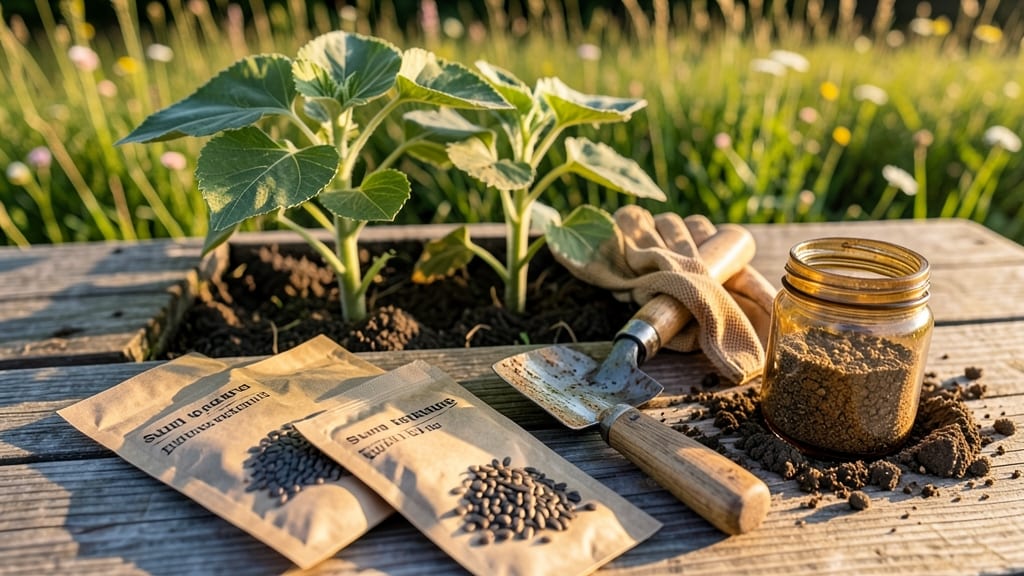
Planting sunflowers at the wrong time in East Tennessee can mean the difference between a towering 12-foot giant and a sad, stunted plant that barely reaches your waist.
The perfect window for planting these cheerful 🌻 stalks opens around mid-April, just after the last frost has passed—but getting it right takes more than just checking a calendar.
In USDA Zones 6a-7a, where temperatures can swing wildly and microclimates vary from valley to ridge, timing matters more than you’d think. Plant too early, and a late frost will nip your seedlings in the bud.
Wait too long, and you’ll miss the 60-90 days these sunflowers need to reach their full height before the first frost hits in October.
I’ve learned the hard way that sunflowers aren’t one-size-fits-all—dwarf varieties can handle a later start, while giant types need that early jump to hit their 10-foot-plus potential.
Whether you’re growing them for bouquets, birdseed, or just pure joy, the key is knowing exactly when to get those seeds in the ground.
Let’s break down the exact weeks to plant in East Tennessee, plus pro tips to beat frost, soil, and even deer pressure so your sunflowers grow like they’re in a botanical garden instead of your backyard.
Best planting weeks in East Tennessee for sunflower success (with exact frost dates)
East Tennessee’s USDA Zones 6a-7a offer perfect conditions for sunflowers, but getting the timing right is key to avoiding frost damage while maximizing those towering 10-14 foot blooms.
The ideal window spans mid-April through early June, but your exact start date depends on your city’s microclimate and last frost averages.
Sunflower seeds need soil temperatures between 40-50°F to germinate, which typically aligns with mid-April in most of East Tennessee. Planting too early risks frost damage, while waiting too long may result in shorter stems before fall’s first frost. Let’s break down the best weeks for each major city.
⚠️ CRITICAL NOTE: Sunflowers are annuals in this region, meaning you’ll replant each year—but with perfect timing, you’ll enjoy blooms from late July through October.
| City | Last Frost Date | Best Planting Weeks | Soil Temp Threshold | Harvest Window |
|---|---|---|---|---|
| Knoxville | April 10-15 | April 20 - May 15 | 50°F+ | Late July - Oct 10 |
| Chattanooga | April 5-10 | April 15 - May 10 | 48°F+ | Late July - Oct 5 |
| Asheville | April 5-10 | April 15 - May 5 | 50°F+ | Late July - Oct 1 |
| All Cities | N/A | Late July replanting | N/A | Fall color blooms |
For Knoxville gardeners, aim to plant between April 20 and May 15 for the tallest stems. The city’s higher elevation means slightly later frosts, giving you an extra week compared to Chattanooga or Asheville.
I’ve found that ‘Mammoth Russian’ varieties planted in early May often reach 12+ feet by September!
In Chattanooga’s warmer microclimate, you can start as early as April 15, but avoid planting before April 5—even late frosts here can kill young seedlings. The valley’s urban heat island effect actually works in your favor, extending your growing season by 1-2 weeks compared to surrounding areas.
Asheville’s higher elevation means cooler nights, so plant no earlier than April 15 unless you’re using row covers for protection. The Blue Ridge Mountains create localized frost pockets, so check your specific neighborhood—some areas may need to wait until May 1 for safety.
Don’t forget about late-summer replanting! For fall color, sow seeds again in late July. These second-generation sunflowers will bloom in September-October, adding vibrant color when other flowers fade. Just be sure to plant 6-8 weeks before your first frost—typically October 15 for most of East Tennessee.
Pro tip: Use black plastic mulch to warm soil faster in early spring. I’ve seen it raise soil temperatures by 5-10°F, letting me plant 1-2 weeks earlier without frost risk. Just remove it once plants are established to prevent overheating.
Finally, monitor your local Almanac’s frost predictions—they often adjust dates based on recent weather patterns. In 2023, Knoxville’s last frost came April 22, a week later than average, so flexibility is key. With perfect timing, you’ll enjoy sunflowers that outshine everything else in your garden!
How to adjust planting for sunflower height goals (dwarf vs. giant varieties)
If you're dreaming of 14-foot giants like 'Mammoth Russian' or prefer compact 2-foot dwarfs like 'Teddy Bear,' your planting timing in East Tennessee must match your height goals.
Giant varieties need early starts to maximize their growth window, while dwarfs tolerate late-summer planting for fall color. Let’s break down the perfect schedule for each type.
For giant sunflowers, aim to plant seeds 4-6 weeks before your last frost date (typically mid-April in East Tennessee). This gives them a 120-day growing season to reach their towering heights. Stagger plantings every 2 weeks for continuous blooms through fall.
| Variety Type | Best Planting Time | Heat Tolerance | Height Goal | East TN Notes |
|---|---|---|---|---|
| Giant (e.g., 'Mammoth Russian') | Early April | Moderate (85°F+ stress) | 10-14 ft | Needs long season; plant before May. |
| Standard (e.g., 'Autumn Beauty') | Mid-April to May | High (90°F+ thrives) | 6-10 ft | Adaptable; great for staggered plantings. |
| Dwarf (e.g., 'Teddy Bear') | Late June to July | Very High (100°F+ handles) | 1-3 ft | Perfect for fall color; tolerates heat. |
Dwarf varieties like 'Teddy Bear' are heat-loving and thrive when planted in late June or July. This timing avoids early-season pests and gives them a short, intense growth period before fall. Their compact size also makes them ideal for container gardens or small spaces.
For continuous blooms, try a 3-phase planting: Start with giants in April, follow with standards in May, and finish with dwarfs in July. This ensures sunflowers in bloom from July to October, extending your garden’s seasonal interest.
Remember, East Tennessee’s summer heat (often exceeding 90°F) can stress giant varieties if planted too late. Use mulch to retain moisture and water deeply in the morning to protect their roots from heat stress.
Experiment with staggered plantings to find your perfect balance—whether you’re chasing towering giants or cheerful dwarfs, timing is everything in East Tennessee’s climate. 🌻