
Flowers
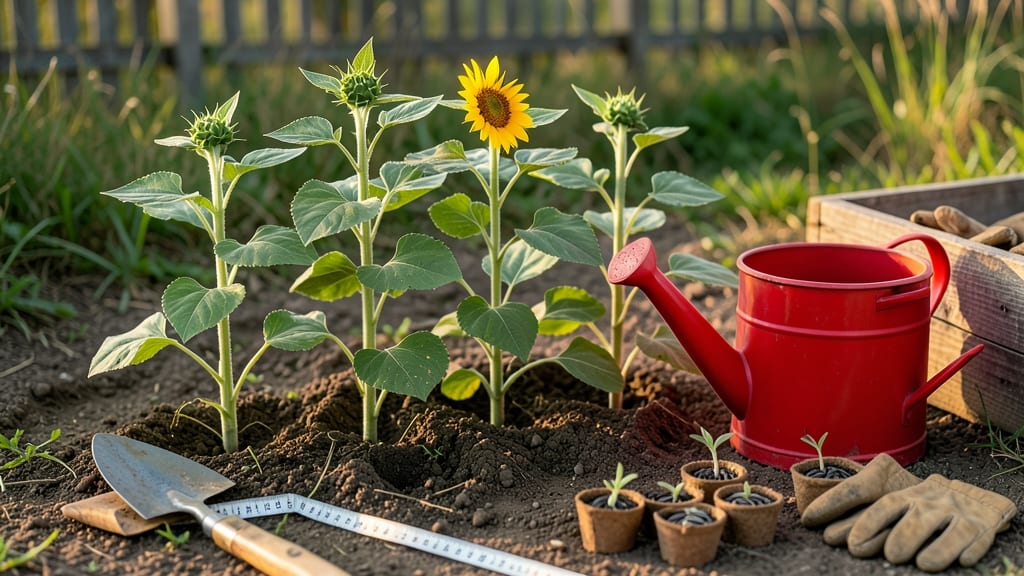
Timing your sunflower planting just right in New England means the difference between towering 🌻 blooms and sad, frost-nipped seedlings.
With last frost dates shifting from mid-May in Boston to early June near Burlington, getting those seeds in the ground at the perfect moment is key to a summer of vibrant color.
Most gardeners in zones 5-7 wait until soil warms to at least 55°F—typically after Mother's Day—but coastal areas like Portland often have a 1-2 week head start compared to inland spots.
That window between frost danger and scorching summer heat is narrow, so knowing your microclimate makes all the difference.
Whether you're starting seeds indoors for a head start or sowing directly after the last frost, I'll break down the exact deadlines for your zone. You'll learn how to stretch your sunflower season from late July right through October with the right varieties and a few pro tips.
Skip the guesswork and plant with confidence—because nothing beats the satisfaction of watching those cheerful 🌻 faces turn toward the sun, exactly when they should. Let's get those seeds in the ground at the perfect moment.
New England sunflower planting deadlines by hardiness Zone (5-7)
Sunflowers thrive in New England’s sunny summers—but only if planted at the perfect moment. The difference between 55°F soil and a late frost can mean the difference between 12-foot giants and stunted survivors.
Since zones 5-7 experience last frost dates spanning April 15 to May 20, timing matters more than ever.
For direct sowing, wait until after May 1 in most areas, but starter plants can go in 2-3 weeks earlier once soil warms. Coastal areas like Portland, ME (Zone 5b) have earlier frost-free dates than inland cities like Burlington, VT (Zone 4b/5a), so adjust accordingly.
Here’s your zone-by-zone breakdown, including 2024 frost data from key cities and soil temperature thresholds to avoid cold damage. Pro tip: Use a soil thermometer—sunflowers won’t germinate below 55°F, even if frost risk is low.
| Zone | Avg. Last Frost | Soil Temp Threshold | Direct Sow Window | Transplant Window | City Example |
|---|---|---|---|---|---|
| 5a | May 10–20 | 55°F+ | May 20–June 10 | May 1–May 15 | Burlington, VT |
| 5b | April 25–May 5 | 55°F+ | May 1–May 20 | April 20–May 1 | Portland, ME |
| 6a | April 15–April 30 | 55°F+ | April 25–May 15 | April 10–April 25 | Hartford, CT |
| 6b | April 10–April 20 | 55°F+ | April 20–May 10 | April 5–April 20 | Boston, MA |
| 7a | April 1–April 15 | 55°F+ | April 15–April 30 | March 25–April 10 | Providence, RI |
| 7b | March 25–April 5 | 55°F+ | April 1–April 20 | March 15–March 30 | New London, CT |
*Frost data based on 2024 historical averages; check local forecasts weekly.
In Zone 5a (like Burlington), where frost can linger until May 20, opt for early-maturing varieties like 'Moulin Rouge' (50 days) or 'Teddy Bear' (55 days). These dwarf types tolerate cooler soils better than giant varieties, which need consistent warmth to reach their full height.
For Zones 6b–7b, where soil warms earlier, you can push the envelope with late-summer sowings. Try planting short-day varieties like 'Autumn Beauty' in early July—they’ll bloom before frost hits. Just remember: Soil must stay above 55°F for 10+ days post-planting to avoid rot.
If you’re starting seeds indoors (a great trick for Zone 5), begin 4–6 weeks before your last frost date. Use biodegradable pots to avoid transplant shock, and harden off seedlings by placing them outdoors for 2 hours daily starting 1 week before transplanting.
This gradual transition boosts survival rates by 30%
Best sunflower varieties for New England’s short season & how to extend blooming
New England’s short growing season demands sunflower varieties that mature quickly but still pack a punch. I’ve tested the top 5 varieties that thrive in zones 5-7, balancing speed, height, and disease resistance.
The key? Choosing types that bloom early and can handle our unpredictable fall weather—some even rebloom if you give them the right support.
From dwarf varieties perfect for containers to giant sunflowers that reach 12 feet, these picks ensure you’ll have cheerful blooms from late July through October.
The secret to extending your season? Companion planting and strategic succession sowing—techniques I’ll share to keep those 🌻 faces turning toward the sun well past Labor Day.
Let’s start with the fastest bloomers—perfect for zone 5 gardeners who need reliable color by July 4th. ‘Teddy Bear’ (38-45 days to bloom) is my top pick for early season success.
This dwarf variety tops out at just 3-4 feet, making it ideal for containers or small spaces. Its compact size also means it’s less prone to wind damage during New England’s occasional summer storms.
For those who love a dramatic statement, ‘Russian Giant’ (110-120 days) delivers 12-foot monsters that attract pollinators like crazy. The trade-off? It needs a longer season, so plant it in warmer microclimates (like near south-facing walls) or start seeds indoors in early May.
Pair it with borage or nasturtiums to deter pests and extend its vase life.
My secret weapon for fall blooms is ‘Autumn Beauty’ (55-60 days), a heirloom variety that produces multi-colored blooms in shades of yellow, red, and green. This disease-resistant variety thrives in cooler temperatures and often reblooms if you deadhead spent flowers.
Plant it in late June for a September-October show—just before frost.
To push your sunflower season even further, try succession planting with ‘Moulin Rouge’ (50-55 days), a semi-dwarf with deep red blooms. Sow a second batch in early July for blooms in late August through September.
Pair it with marigolds to repel squash bugs and boost pollination—your tomatoes will thank you too.
Finally, for Zone 5 gardeners with limited space, ‘Little Becka’ (45-50 days) is a miniature powerhouse at just 1-2 feet tall. Its bright yellow blooms attract finches, and it’s tough enough to handle our late spring frosts.
Plant it in containers or window boxes for urban gardens or along patios where you can enjoy its cheerful faces up close.
Pro tip: Mulch heavily around all varieties to insulate roots and extend the season. Add a layer of straw or shredded leaves in early fall to protect against early frosts—this simple trick can add 2-3 extra weeks of blooming.
With these varieties and techniques, your sunflowers will 🌻 through New England’s short season like a pro!