
Flowers
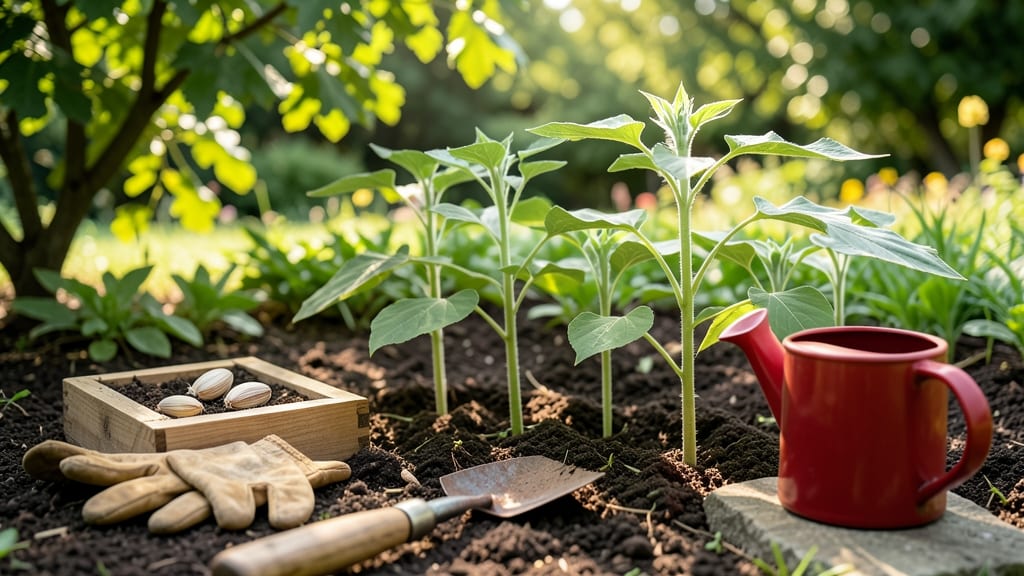
Planting sunflowers in San Diego might seem simple—after all, frost isn’t a concern—but timing is the key to avoiding wilted stalks and maximizing those towering 🌻 blooms. The city’s microclimates—from coastal breezes to inland heat—mean what works in La Jolla might fail in El Cajon.
If you’ve ever watched a sunflower struggle under summer’s intensity or bolt too early, you know how critical the right window is.
Here’s the secret: the best months to plant aren’t just January or February—they depend on where you live. Coastal areas can handle seeds as early as December, while inland valleys thrive with late-winter starts.
And yes, you can plant year-round, but skipping these optimal windows risks stunted growth or heat stress. Let’s break down exactly when to start seeds for zero frost risk and peak blooms, plus how to prep your soil for San Diego’s unique challenges.
You’ll also discover why direct sowing beats transplants in this climate and how to spot the first signs of heat stress before it’s too late. Whether you’re growing Moulin Rouge for vibrant petals or Russian Giants for height, these timing tricks will turn your sunflower dreams into reality—no guesswork required.
Ready to skip the trial-and-error? By the end, you’ll know not just when to plant, but how to give your sunflowers the perfect head start in San Diego’s ever-changing weather. Let’s get those seeds in the ground the right way.
San Diego’s 3 microclimates & their ideal sunflower planting windows
San Diego’s diverse geography creates three distinct microclimates that dramatically affect sunflower growth. The coastal zone enjoys mild temperatures and ocean breezes, while the inland valleys experience hotter summers and cooler winters.
Meanwhile, the desert foothills face extreme heat and dry conditions. Each zone demands a different planting strategy to ensure your sunflowers reach their full 10-14 foot potential without wilting in the heat.
Since San Diego rarely experiences frost, you can plant sunflowers year-round, but timing matters for optimal bloom size and color vibrancy. The ideal window shifts between zones: coastal gardeners should start in late winter (February-March), while inland growers benefit from early spring (March-April) planting.
Desert foothill areas actually thrive with fall planting (September-October) to avoid peak summer heat stress.
The key difference? Coastal areas benefit from 6-8 hours of sun with cooler evenings, while inland zones need full sun (8+ hours) and heat-tolerant varieties.
Desert foothills require extra soil moisture retention and mulching to prevent root stress. Let’s break down each zone’s perfect planting schedule and soil prep secrets.
| Microclimate | Best Planting Window | Soil Prep Tip | Heat Tolerance | Sunlight Needs |
|---|---|---|---|---|
| Coastal Zone | February-March | Add compost for moisture retention | Moderate (breezes help) | 6-8 hours daily |
| Inland Valley | March-April | Use mulch to prevent soil drying | High (needs shade cloth) | 8+ hours daily |
| Desert Foothills | September-October | Amend with sand for drainage | Very High (drought-resistant varieties) | Full sun (8+ hours) |
For coastal San Diego, I recommend planting sunflower seeds in late February to early March when soil temperatures reach 60°F+. The ocean breezes create a perfect balance—cooling evenings prevent heat stress while providing enough warmth for rapid germination.
Mix compost into your soil to improve moisture retention, as coastal areas can experience summer fog that may slow growth if roots stay too dry.
Inland valleys like Escondido or Temecula should plant in March or early April to avoid the 100°F+ summers. These areas benefit from dwarf varieties like 'Teddy Bear' (3-4 feet tall) that handle heat better than giants.
Always water deeply in the morning to prevent fungal issues from evening humidity. A 2-inch layer of mulch around plants helps maintain even soil moisture.
The desert foothills near Julian or Ramona actually thrive with fall planting (September-October). This timing lets sunflowers establish roots before summer heat peaks. Choose drought-tolerant varieties like 'ProCut' or 'Autumn Beauty' that mature quickly.
Amend your soil with coarse sand to improve drainage, as these areas often have clay-heavy soils that trap moisture.
One critical mistake I see in all zones? Planting too close together. Sunflowers need 6-12 inches of space between plants (depending on variety) for proper airflow. Crowded plants develop powdery mildew faster, especially in humid coastal areas.
Thin seedlings to the strongest 2-3 stems per foot once they reach 6 inches tall.
Pro tip: Direct sow seeds rather than transplanting—sunflowers hate root disturbance. Plant seeds 1 inch deep and cover with soil. In hot inland areas, consider using shade cloth for the first 2 weeks to prevent seedling stress. Coastal gardeners can skip this step entirely thanks to cooler temperatures.
Remember that sunflowers love full sun, but in inland desert areas, afternoon shade can prevent flower scorch. If you notice leaves turning yellow or crispy, it’s a sign of heat stress.
Move containers to partial shade or provide afternoon shade cloth until plants acclimate. With the right timing and care, your sunflowers will reward you with vibrant blooms from summer through fall.
🌻
How to avoid common sunflower planting mistakes in San Diego’s heat
San Diego’s coastal humidity and inland heat create perfect conditions for sunflowers—but only if you avoid these common mistakes. Many gardeners overwater their plants, thinking they need constant moisture, while others plant too late and face heat stress before blooming.
The result? Stunted growth or wilted stems that never reach their full potential.
Another frequent error is ignoring soil drainage, especially in clay-heavy inland areas. Poor drainage leads to root rot, which can kill sunflowers before they even sprout. Even coastal gardeners make this mistake by planting in areas where morning fog lingers too long, creating excessive moisture around the roots.
Let’s fix these issues before they derail your sunflower dreams.
Sunflowers planted in April or later in inland areas often face heat shock, where young plants wilt before establishing roots. Coastal gardeners, meanwhile, risk overwatering in winter when foggy mornings keep soil too damp. Solution: Plant coastal varieties in January-February and inland varieties in December-January for optimal growth.
Start by choosing the right drought-resistant varieties for your microclimate. For coastal areas, opt for ‘Moulin Rouge’, which tolerates humidity better than standard types. Inland gardeners should select ‘Russian Giant’ or ‘Autumn Beauty’, bred to handle 100°F+ temperatures without wilting.
These varieties thrive with less frequent watering once established.
Proper mulching is your best defense against both heat and overwatering. Apply a 2-3 inch layer of straw or wood chips around your sunflowers to retain moisture in dry spells while preventing soil compaction.
This also keeps roots cooler during peak afternoon heat, which is especially critical in inland valleys like Escondido or Ramona.
If you’re planting in summer months, use shade cloth for the first 2-3 weeks to protect young seedlings. A 30-50% shade cloth reduces heat stress while allowing 6+ hours of indirect light.
Remove it once plants reach 6 inches tall to encourage full sun adaptation. This trick works wonders in San Diego’s desert foothills, where afternoon heat can scorch tender leaves.
Finally, test your soil’s drainage before planting. Dig a 12-inch hole, fill it with water, and time how long it takes to drain. If it takes longer than 2 hours, amend with perlite or coarse sand to improve airflow.
Well-draining soil prevents root rot and ensures your sunflowers grow strong, sturdy stems capable of supporting those massive blooms.
With these adjustments, your sunflowers will thrive year-round in San Diego’s climate—no wilting in sight! 🌻