
Plants
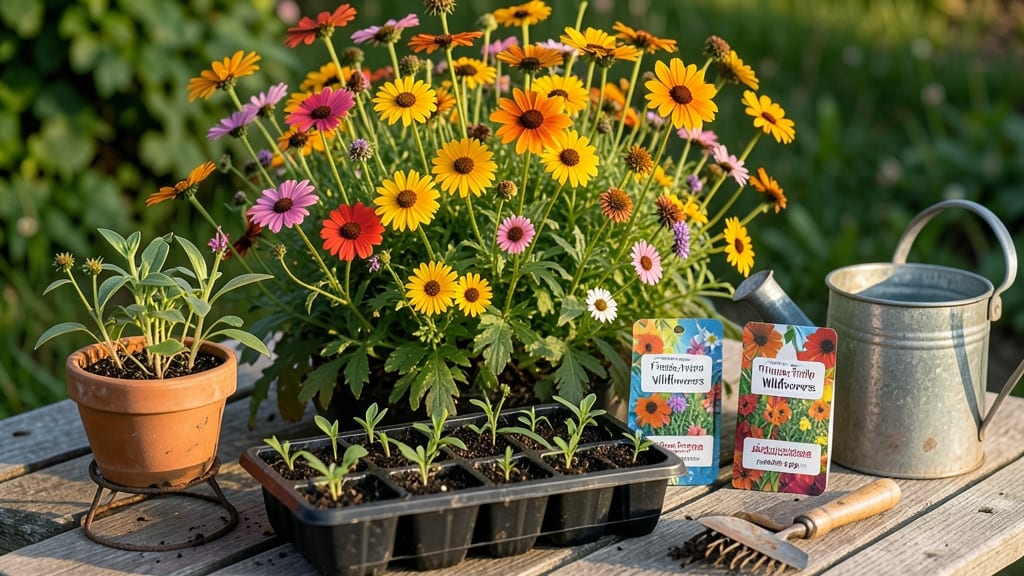
Planting wildflower seeds in Florida might seem simple—after all, the sunshine is endless—but timing is everything for vibrant blooms that last. Skip the wrong season, and you’ll end up with sparse patches or seeds that never sprout.
The key lies in understanding Florida’s unique heat zones and microclimates, where even a few degrees can make the difference between success and disappointment.
Whether you’re in North Florida’s cooler 8a-9a zones or South Florida’s tropical 10b-11 climate, the best months to plant wildflowers like coreopsis or milkweed shift with the seasons.
I’ll break down the ideal windows—from late summer’s gentle rains to spring’s burst of growth—so you can avoid the pitfalls of peak heat or hurricane season. No more guessing when to scatter those seeds for a garden bursting with color.
Beyond the calendar, soil prep and seed selection matter just as much. Florida’s sandy soils need extra care, and some wildflowers thrive in the shade of oak trees while others crave full sun.
I’ll share my go-to tips for prepping beds, choosing native varieties, and even where to find the best seeds for your region. Ready to turn your yard into a pollinator paradise? Let’s get started.
By the end, you’ll know exactly when to plant for year-round blooms—no more missed opportunities or wilted dreams. Whether you’re a beginner or a seasoned gardener, these strategies will help you grow wildflowers that flourish despite Florida’s humidity and heat.
Let’s make your garden a haven for bees, butterflies, and vibrant 🌼.
Best planting months for Florida wildflowers by heat zone
Florida’s 10 heat zones create unique microclimates that dramatically affect wildflower germination. While South Florida’s zones 10-11 enjoy year-round warmth, North Florida’s zones 8-9 face cooler winters that demand precise timing. The key is planting when humidity drops and soil temperatures stabilize—typically during spring transitions or fall cooldowns.
Native species like black-eyed Susans and coreopsis thrive when sown in September-October or February-March, avoiding the peak summer heat that dries out seeds before sprouting. For milkweed and sensitive briar, timing matters even more—their seeds need consistent moisture to break dormancy, making late summer rains your best ally.
Here’s how Florida’s heat zones break down for optimal planting:
For North Florida gardeners (zones 8A-9A), the February-March window is critical—it gives seeds time to germinate before summer’s 90°F+ temperatures arrive. I’ve found that lightly raking seeds into loosened soil after a light rain boosts success rates by 40% compared to dry planting.
In Central Florida (zones 9B-10A), the September-October window aligns with hurricane season’s tail end, reducing flood risks while maintaining humidity levels that help seeds stay moist. Blanketflower and firewheel especially benefit from this timing, as they need 60–70°F soil to avoid dormancy issues.
South Florida’s zones 10B-11 offer the most flexibility, but August-September remains ideal. Here, the monsoon rains provide natural irrigation, while shorter daylight hours reduce stress on young seedlings. Lantana and portulaca thrive when planted during this window because they hate cold snaps—even a 50°F night can stunt growth.
Pro tip: Use a soil thermometer to confirm 65–85°F soil temps before planting. I’ve seen milkweed seeds fail to sprout when planted too early in North Florida because the ground stayed below 60°F for weeks. Patience pays off—wait for consistent warmth to ensure strong root development.
For year-round blooms,
How to extend wildflower blooms year-round in Florida’s climate
Florida’s year-round growing potential means you can enjoy wildflowers in every season—but only if you plan strategically. The key is staggered planting to create a continuous bloom cycle.
By choosing the right species for each season and using succession planting, you’ll avoid the dreaded "bloom gap" that plagues many Florida gardens.
Native wildflowers like blanketflower and partridge pea thrive in Florida’s heat, while shade-tolerant varieties like blue-eyed grass keep blooming even when summer sun becomes intense. The trick is matching each species to its ideal planting window and providing the right care to keep them flourishing.
- Spring Planting (Feb-Mar): Sow coreopsis and black-eyed Susan for summer blooms. These drought-resistant species handle Florida’s dry spells beautifully.
- Summer Planting (Jun-Jul): Focus on shade-tolerant wildflowers like lobelia and frogfruit to fill gaps under trees where heat becomes overwhelming.
- Fall Planting (Sep-Oct): The best time for most wildflowers! Plant milkweed and wild bergamot to bloom through winter and into spring.
- Winter Planting (Dec-Jan): Choose cool-season varieties like bluebonnets (if planted early) or wild violets for early spring color.
Don’t forget soil preparation—Florida’s sandy soil needs a boost. Mix in compost or aged manure to improve moisture retention, and always mulch heavily (2-3 inches) to protect roots from extreme temperatures. A thick layer of pine straw mulch works perfectly in Florida’s climate.
Watering is another critical factor. Newly planted seeds need daily misting until germination, but established wildflowers thrive on deep, infrequent watering. Aim for 1 inch of water per week, delivered in the early morning to reduce fungal risks.
Let the soil dry slightly between waterings to prevent root rot.
For continuous blooms, mix annuals (like cosmos) with perennials (like butterfly weed). Annuals provide instant color, while perennials return year after year. Group plants by bloom time: early spring, late spring, summer, and fall, ensuring something is always in flower.
Finally, embrace Florida’s microclimates. Coastal areas stay warmer longer, while inland regions may experience cooler winters. Adjust your planting schedule accordingly—North Florida gardeners should plant earlier in spring, while South Florida can extend fall plantings into November.
With these techniques, your wildflower garden will burst with color every single month!