
Flowers
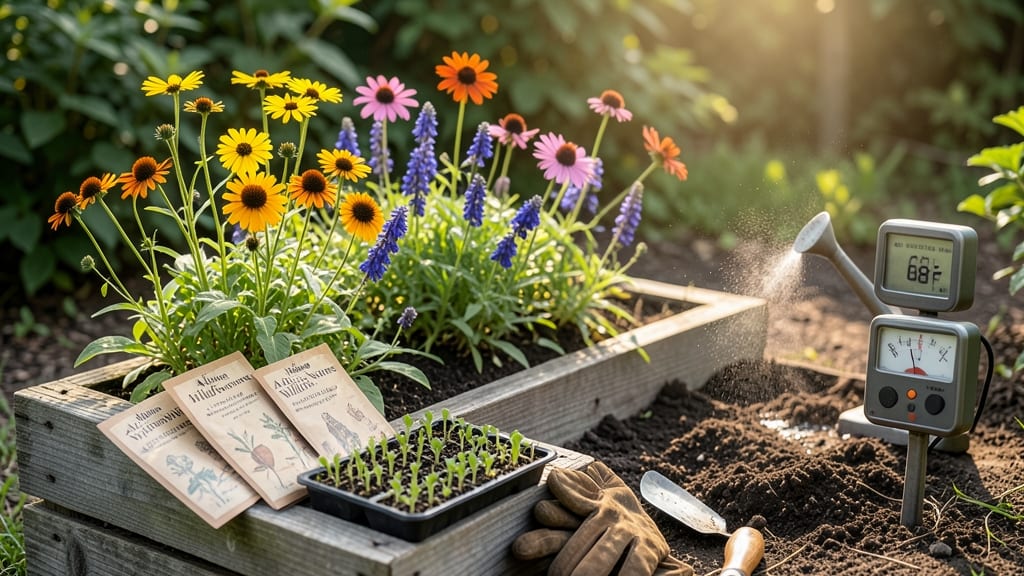
Planting wildflowers in Alabama at the wrong time can mean the difference between a burst of color and a patch of disappointment. The key to success lies in understanding when to sow these pollinator powerhouses—whether you're in the cooler Piedmont or the warmer Gulf Coast.
With Alabama’s USDA Zones 7b-8a, you’ve got two prime windows: late winter to early spring (February–April) or late summer to early fall (August–October). Timing matters because wildflowers like black-eyed Susans and coneflowers need just the right conditions to germinate and thrive.
In this guide, I’ll break down the best months for planting, how Alabama’s climate affects growth, and which native wildflowers perform best. Whether you’re a beginner or a seasoned gardener, these tips will help you create a vibrant, low-maintenance garden that supports bees and butterflies.
Ready to transform your yard into a pollinator paradise? Let’s get started with the perfect planting schedule for your region.
Best planting months for Alabama wildflowers by USDA Zone 7b-8a
Alabama’s USDA Zones 7b-8a offer ideal conditions for wildflowers, but the right planting window ensures vibrant blooms and healthy growth. Whether you’re sowing black-eyed Susans, coneflowers, or milkweed, timing aligns with Alabama’s humid subtropical climate and seasonal rainfall patterns.
Native wildflowers thrive when planted during cool-season windows—either early spring (February–April) or late summer/fall (August–October). These periods avoid peak summer heat and competition from weeds, giving seeds the best chance to establish before extreme conditions arrive.
Spring planting (February–March) is perfect for annuals like cosmos and perennials like purple coneflower. By this time, soil temperatures rise enough to trigger germination, while afternoon rains help maintain moisture. Fall planting (September–October) works well for hardy perennials like butterfly weed, allowing roots to grow before winter dormancy.
For North Alabama (Zone 7b), aim for late February to early March to avoid late frosts, while South Alabama (Zone 8a) can start as early as January for winter annuals like lobelia or snapdragons. Microclimates near rivers or mountains may extend planting into November for frost-sensitive species.
Direct sowing is best for wildflowers—skip transplants to preserve delicate root systems. Scatter seeds thinly over prepared well-draining soil and lightly rake to ensure seed-to-soil contact. Avoid heavy watering immediately after planting to prevent seed displacement or fungal growth.
In Zone 7b, prioritize spring planting for black-eyed Susans and fall planting for coreopsis, while Zone 8a gardeners can extend late summer sowing into September for milkweed and goldenrod. Always check local frost dates—Alabama’s first frost typically arrives in mid-November.
After planting, mulch with straw or pine needles to retain moisture and suppress weeds. Reduce watering once seedlings emerge, as wildflowers are drought-tolerant once established. Deadhead spent blooms to encourage continuous flowering through the season.
For pollinator powerhouses, combine early bloomers like wild indigo with late-season favorites such as partridge pea. This extended bloom time supports bees, butterflies, and hummingbirds from spring to frost.
🌼
How Alabama’s climate affects wildflower germination and growth
Alabama’s climate—characterized by hot summers, humid winters, and variable rainfall—plays a huge role in wildflower success. The state spans USDA Zones 7b-8a, where temperatures and moisture levels shift dramatically between regions.
In Northern Alabama, cooler nights and shorter growing seasons demand earlier planting, while Southern Alabama’s longer heat waves require drought-tolerant varieties and adjusted watering schedules.
Rainfall patterns are another critical factor. Spring showers (March-May) provide ideal moisture for germination, but summer droughts (June-August) can stress young seedlings.
Native wildflowers like black-eyed Susans and coreopsis thrive in Alabama’s well-draining soils, while heavy clay soils common in the Black Belt region may need amendments like compost or sand to prevent waterlogging.
🌱
⚠️ Climate Warning for Alabama Wildflower Planting
Northern Alabama (Zones 7b): Plant perennials in early spring (Feb-Mar) to avoid late frosts (mid-March average). Annuals can go in late summer (Aug) for fall blooms.
Southern Alabama (Zones 8a): Fall planting (Sept-Oct) is ideal—avoid June-July heat, which causes seed dormancy. Drought-prone areas need pre-germination soaking for 24 hours before sowing.
Heat tolerance varies by species. Native wildflowers like purple coneflower handle Alabama’s 90°F+ summers better than non-native varieties. To protect seedlings, use shade cloth (30-50%) during peak afternoon heat (12-4 PM) until plants reach 3-4 inches tall.
Mulching with straw or pine needles retains moisture and regulates soil temperature, which is especially critical in drought-prone Wiregrass region.
Soil pH also impacts germination. Alabama’s slightly acidic soils (pH 6.0-6.5) suit most wildflowers, but lobelia and blue flag iris prefer pH 5.5-6.0. Test your soil and amend with lime (for high pH) or sulfur (for low pH) before planting.
In heavy rainfall areas (like Mobile), raised beds improve drainage and prevent seed rot.
Adjust your planting schedule based on local microclimates. Mountainous areas (e.g., Huntsville) can plant 2-3 weeks earlier than coastal regions (e.g., Gulf Shores). For pollinator-friendly gardens, mix early bloomers (e.g., violets) with late-season flowers (e.g., goldenrod) to extend the growing season and support bees year-round.
🌿