
Planting
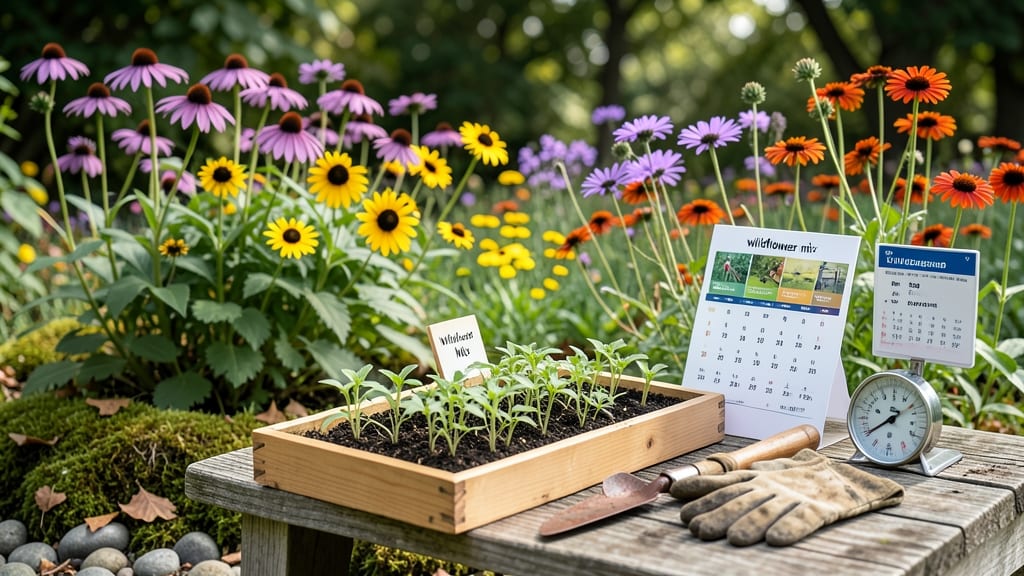
To plant wildflowers at the perfect time means the difference between a burst of color and a patchy, weed-filled disappointment. The best seasons—spring and fall—offer distinct advantages, but getting the timing right depends on where you live and which varieties you choose.
Most gardeners swear by fall planting because cooler temperatures and winter rains give seeds a head start. But spring planting works too, especially in warmer climates where early blooms are the goal. I’ll break down the ideal windows for your region and how to prepare your soil for maximum success.
Whether you’re sowing native wildflowers 🌼 to support pollinators or mixing drought-resistant varieties for a low-maintenance meadow, the key is understanding your local climate. From USDA Zone 6a to sunnier southern areas, I’ll show you exactly when to start for lush, long-lasting blooms.
Ready to transform your garden into a thriving wildflower haven? Let’s dive into the best planting strategies for your area—no guesswork, just vibrant results.
Spring planting for wildflowers: best months and regional variations
Spring is one of the best times to plant wildflowers, but the exact window depends on your climate zone and the types of seeds you're using. In cooler regions like the Pacific Northwest or New England, aim for early spring planting (March–April) when soil temperatures reach 50–60°F.
Warmer zones like Texas or Florida can start as early as February, while Midwest gardeners should wait until late April after the last frost date.
Annual wildflowers like cosmos and zinnia thrive when planted in early spring, giving them time to establish roots before summer heat. Perennials such as black-eyed Susan or coneflower benefit from late spring planting (May) to avoid early bolting.
Understanding these distinctions ensures your wildflowers germinate successfully and bloom abundantly throughout the season.
Regional variations play a critical role—Northern climates with cold winters should focus on early spring to capitalize on spring rains and longer daylight. Meanwhile, Southern gardens with mild winters can extend planting into early summer, but always prioritize soil moisture to prevent seed desiccation.
My personal tip? Check your USDA hardiness zone for precise timing tailored to your area.
| Region | Best Planting Month | Seed Type | Soil Prep | Key Consideration |
|---|---|---|---|---|
| Northern (Zones 3–5) | March–April | Annuals/Perennials | Loosen soil, add compost | Wait for soil to thaw |
| Midwest (Zones 6–7) | April–May | Perennials preferred | Test pH (6.0–7.0) | Avoid late frosts |
| Southern (Zones 8–10) | February–March | Heat-tolerant annuals | Mulch to retain moisture | Plant before summer drought |
| Mountain West (Zones 4–7) | April–May | Drought-resistant mixes | Avoid compacted soil | High elevation delays germination |
Before planting, prepare your soil to create the ideal environment for wildflower seeds. Start by removing weeds and loosening the top 6 inches of soil to improve aeration. Incorporate compost or aged manure to enrich the soil with nutrients, but avoid fresh manure, which can burn delicate seedlings.
For sandy or clay-heavy soils, mix in organic matter like leaf mold or coconut coir to improve drainage and water retention.
Sunlight is another critical factor—most wildflowers thrive in full sun (6+ hours daily), but some shade-tolerant varieties like columbine or foxglove can handle partial shade.
If planting in a newly cleared area, consider mulching with straw or wood chips to suppress weeds and retain moisture during the critical germination phase. My go-to method is a light mulch layer (1–2 inches) after planting to keep seeds cool and hydrated.
Timing isn’t just about the month—seed depth matters too. Tiny wildflower seeds should only be pressed lightly into the soil (no deeper than 1/8 inch), while larger seeds like sunflower can be planted 1/2 inch deep.
After sowing, water gently but thoroughly to settle seeds without displacing them. Use a fine mist setting on your hose or a watering can with a rose attachment to avoid washing seeds away.
In dry climates, consider pre-soaking seeds for 24 hours to jumpstart germination, especially for native wildflowers adapted to arid conditions. For humid regions, avoid overwatering, as excess moisture can lead to fungal diseases like damping-off.
A consistent watering schedule (every 2–3 days until germination) is key—once sprouts appear, reduce frequency to once weekly to encourage deep root growth.
Regional microclimates can also affect success—urban gardens often experience warmer soil temperatures than rural areas, so adjust planting dates accordingly. If you’re unsure about your local conditions, consult a regional planting guide or ask your local nursery for recommendations.
They can provide hyper-local insights that generic advice might miss, such as specific frost dates or rainfall patterns in your area.
Finally, monitor your wildflowers after planting. Watch for uniform germination (most seeds should sprout within 10–21 days) and thin seedlings if they become crowded. Thin to 12–18 inches apart for perennials and 6–12 inches for annuals to prevent competition.
With the right timing, soil prep, and care, your spring-planted wildflowers will reward you with months of vibrant blooms and pollinator-friendly beauty.
🌼
Fall planting advantages: why most gardeners prefer autumn for wildflowers
Fall planting gives wildflowers a head start on growth, allowing seeds to establish roots before harsh summer heat. The cooler temperatures and winter rains create ideal conditions for germination, while fewer weeds compete for resources.
This season also lets you take advantage of discounted seeds and prepare your garden for spring blooms with minimal effort.
Science backs up this strategy: seeds planted in fall experience reduced stress from extreme temperatures, and many varieties—like black-eyed Susans and coneflowers—thrive when sown before winter. Plus, early spring blooms reward you for your patience with vibrant color and pollinator support.
Fall Planting for Wildflowers
✅ Pros
- Cooler temps reduce seed stress
- Winter rains water seeds naturally
- Fewer weeds compete for space
- Early spring blooms guaranteed
- Discounted seed prices in fall
❌ Cons
- Late fall planting may freeze before germination
- Requires soil prep in advance
- Some annuals need spring planting
- Drought risk if rains don't arrive
🌱 Best for: Perennials, native mixes, and drought-resistant varieties
To prepare your garden, start by loosening soil 6 inches deep and removing debris. Wildflowers prefer well-draining soil, so amend heavy clay with compost or sand. Choose a sunny spot with at least 6 hours of sunlight daily, as most wildflowers need full sun to thrive.
For regional adjustments, early fall (September) works best in cooler climates like USDA Zone 6a, while late fall (October) suits warmer areas. In southern regions, plant by mid-October to avoid winter germination. Always check your local frost dates to time planting perfectly.
After sowing, lightly rake seeds into the soil and water gently to settle them. A thin layer of mulch helps retain moisture during dry spells. With proper fall prep, you’ll see robust growth by next spring, often outperforming spring-planted wildflowers.
My favorite fall-planted mix includes purple coneflower and butterfly weed, which establish deep roots and bloom prolifically. These varieties also attract pollinators early in the season, giving your garden a head start on supporting local ecosystems.