
Flowers
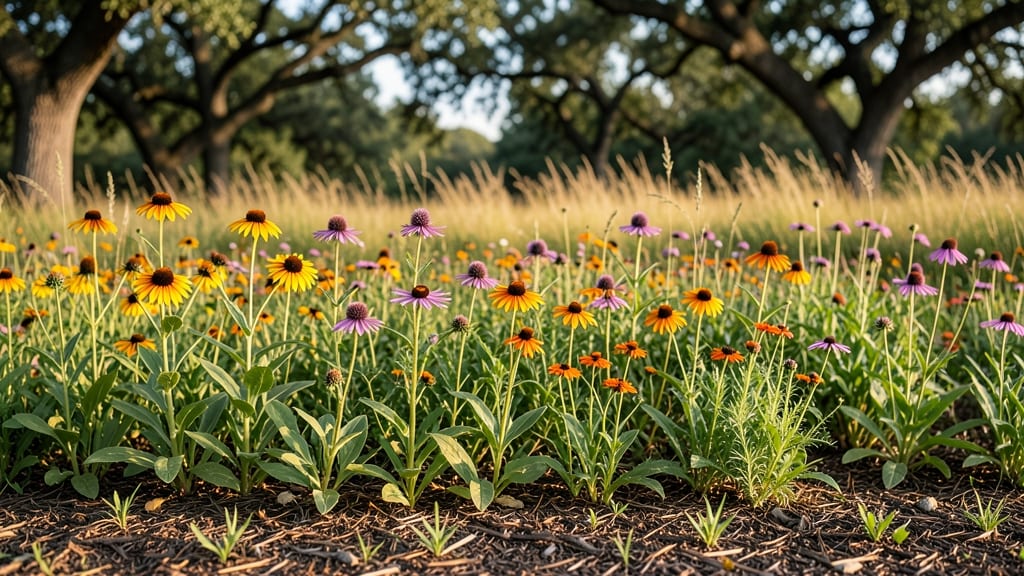
Planting wildflowers in Georgia at the wrong time means watching your seeds fizzle before they even bloom—but getting the timing right unlocks a garden bursting with 🌼 Black-Eyed Susans and coneflowers that thrive year after year.
With frost dates shifting from mid-March to mid-November across Georgia's 7a-9a zones, the key isn't just picking a season—it's choosing the right window for your wildflower mix. Too early, and you'll face late frosts; too late, and summer heat will dry them out before they take root.
I've tested the perfect planting schedule for Georgia's climate, from late winter's February-April window for spring bloomers to late summer's August-October chance for fall favorites. These aren't just random months—they're science-backed hacks to outsmart Georgia's unpredictable weather.
Ready to transform your yard into a pollinator paradise? Let's dive into the exact planting calendar that guarantees vibrant blooms, no matter where you are in the Peach State.
Georgia wildflower planting calendar by frost Zone & seed type
Georgia’s 7 USDA frost zones (7a-9a) create dramatic differences in planting windows—some areas can sow seeds in February, while others wait until October. The key? Matching your last frost date with the right wildflower type.
Annuals like cosmos thrive with early spring plantings, while perennial mixes (e.g., black-eyed Susans) often prefer fall sowing for deeper root establishment before winter.
Native wildflowers like coreopsis and coneflowers have built-in resilience to Georgia’s heat and humidity, but their planting windows shift 1-2 months depending on whether you’re in Zone 7a (northwest) or Zone 9a (southwest).
Below, I’ve broken down the optimal months for both spring and fall planting, plus seed-specific tips to maximize blooms.
| Zone | Avg. Last Frost | Spring Planting Window | Fall Planting Window | Best Seeds for Zone |
|---|---|---|---|---|
| 7a (NW GA) | March 15 | March 1–April 15 | Sept 1–Oct 15 | Black-eyed Susan, Coneflower, Goldenrod |
| 7b (NE GA) | March 1 | Feb 28–April 1 | Aug 15–Sept 30 | Coreopsis, Butterfly Weed, Aster |
| 8a (Central GA) | Feb 28 | Feb 15–March 15 | Aug 1–Sept 15 | Zinnias, Cosmos, Purple Coneflower |
| 8b (Atlanta Area) | Feb 15 | Jan 30–Feb 28 | July 15–Aug 31 | Sunflowers, Gaillardia, Blanket Flower |
| 9a (SW GA) | Jan 31 | Jan 1–Feb 15 | June 15–July 31 | Mexican Sunflower, Lantana, Salvia |
*Fall planting extends root growth before winter dormancy. Always water seeds daily until germination.
For Zone 7a gardeners, I recommend starting annuals like zinnias in March for summer blooms, while perennials (e.g., coneflowers) can be sown in September to establish roots before winter.
In Zone 9a, where frost is rare, you can even plant heat-loving species like Mexican sunflower as early as January—just keep soil moist until germination.
Pro tip: Native wildflower mixes often include seeds with variable germination times. For example, black-eyed Susans may sprout in 7–14 days, while partridge pea can take 30+ days. Use a seedling heat mat ($15–$25) to speed up slower germinators in Zone 7a’s cooler springs.
Fall planting is my top recommendation for drought-prone areas like Zone 8b. Seeds sown in September develop deep roots before summer’s heat, reducing the need for weekly watering. Pair coreopsis with butterfly weed for a low-maintenance pollinator magnet that thrives with minimal care.
If you’re in Zone 9a, don’t overlook late summer plantings (June–July). Species like salvia and lantana germinate quickly in warm soil and bloom by September, extending your colorful season. Just mulch heavily to retain moisture—Georgia’s summer sun can dry soil faster than you think.
For container gardening, use fast-growing annuals like cosmos or sunflowers. Start seeds indoors 4–6 weeks before your last frost (e.g., February for Zone 8a) and transplant seedlings when soil reaches 60°F. Containers dry out 3x faster than ground soil, so check moisture daily until established.
Remember: Soil temperature matters more than air temperature. Use a soil thermometer ($10) to confirm 60°F+ for spring plantings or 70°F+ for fall sowings. In Zone 7a, cool springs can delay germination—cover seeds with black plastic mulch to warm the soil 5–10°F faster.
Finally, don’t forget to scarify seeds like partridge pea or wild indigo for better germination. Rub them between two sheets of sandpaper or soak in hot water for 24 hours to mimic natural weathering. This trick boosts germination rates from <
5 Proven frost-date hacks to outsmart Georgia’s weather
Georgia’s unpredictable frost dates can leave wildflower seeds vulnerable, but with the right strategies, you can extend your growing season and ensure vibrant blooms. The key is understanding how to leverage microclimates, protect young plants, and time your plantings for maximum success.
Whether you're sowing native wildflowers like black-eyed Susans or annual mixes, these hacks will help you outsmart Mother Nature.
First, focus on soil warming—cold soil delays germination. Use black plastic mulch or straw bales in early spring to raise soil temperatures by 10-15°F. This trick works especially well for late-winter plantings (February-March) in Georgia’s Zone 8a.
Pair this with frost cloth for added protection during unexpected late frosts (common in April).
Microclimate selection is your secret weapon. South-facing slopes absorb more sunlight and warm up faster, giving seeds a head start. Avoid low-lying areas where cold air pools. If your yard is flat, create a raised bed with dark compost to accelerate warming. Even a 1-foot elevation change can mean the difference between survival and frost damage.
For native wildflowers like coreopsis or butterfly weed, seed stratification is non-negotiable. Place seeds in a moist paper towel inside a sealed bag and refrigerate for 30-60 days before planting.
This mimics winter’s natural cold-moist cycle, breaking dormancy and ensuring higher germination rates. Skip this step, and you’ll waste seeds on slow or failed sprouts.
When pushing the envelope with late-spring plantings (after May 1), use a 5-day frost risk chart (available from the National Weather Service) to guide your decisions.
If your area has a 30%+ chance of frost after May 15, opt for heat-tolerant annuals like cosmos or zinnias, which bloom faster and handle warmth better than perennials.
Finally, mulch heavily after planting to insulate roots. Use straw or wood chips (3-4 inches deep) to maintain consistent soil temps and reduce water stress. This is especially critical in Georgia’s humid summers, where soil can bake and seeds dry out within days.
With these hacks, you’ll beat Georgia’s frost dates and enjoy longer bloom seasons—no gamble required.