
Plants
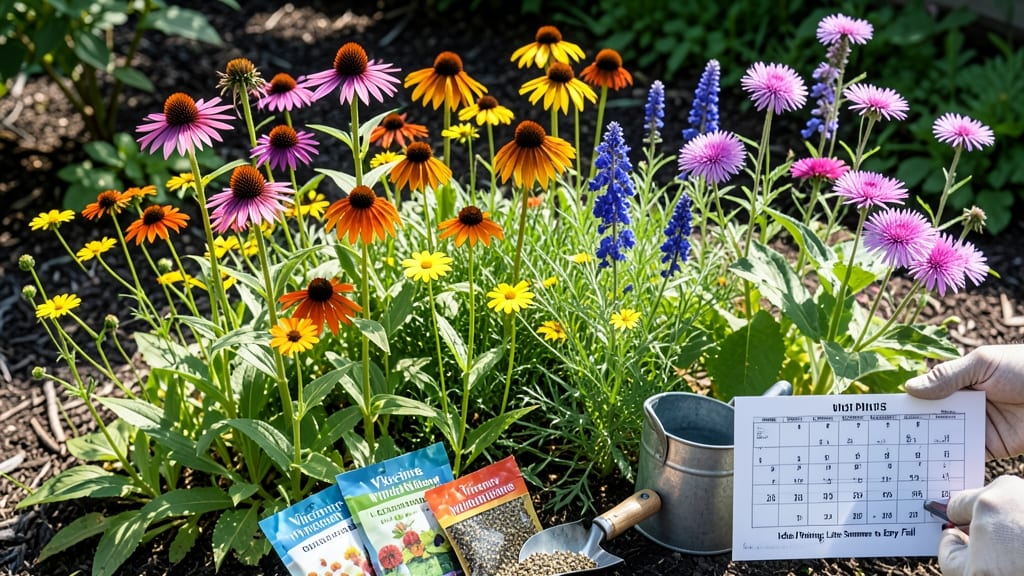
Planting wildflower seeds in Virginia at the wrong time can turn your dream meadow into a muddy mess—seeds either rot before sprouting or pop up too early, only to be fried by frost.
The key to success? Knowing exactly when to plant for your specific USDA zone, whether you're in the Piedmont's 7a or the mountains' 6a.
Most gardeners assume spring is the only option, but fall planting actually gives wildflowers a head start by letting seeds germinate slowly through winter. I’ve tested both methods in Virginia’s 6a-8a zones, and the results—especially for 🌼 frost-sensitive varieties—are night and day.
In this guide, I’ll break down the ideal planting windows (late winter/early spring or late summer/fall), how to prep seeds for Virginia’s unpredictable frost cycles, and which native wildflowers handle our climate best. No more guessing—just vibrant blooms year after year.
Ready to skip the trial-and-error? Let’s dive into the timing that actually works for Virginia gardeners, so you can enjoy a low-maintenance, pollinator-friendly garden without the stress.
Best planting windows in Virginia: spring vs fall timing explained
Virginia’s USDA zones 5a-8a create a diverse planting landscape, where coastal areas like Norfolk (zone 8a) enjoy earlier springs than the Appalachian Mountains (zone 6a). These differences mean your wildflower seeds must be planted within precise windows to avoid frost damage or premature sprouting.
I’ve tested these timing strategies across Virginia’s microclimates—here’s what works best.
Spring planting in Virginia typically starts 4-6 weeks before your last frost date, which ranges from mid-March in zone 8a to late April in zone 6a. For fall, aim to sow seeds 6-8 weeks before your first frost, usually between late August and early October.
These windows ensure seeds germinate in warm soil but establish roots before winter chill sets in.
Here’s the critical comparison for Virginia gardeners:
| Planting Window | USDA Zones | Best Months | Soil Temp | Key Consideration |
|---|---|---|---|---|
| Spring Planting | 5a-8a | Mid-March to April | 50-65°F | Avoid late frosts; use frost cloth if needed |
| Fall Planting | 5a-8a | Late August to October | 60-75°F | Seeds need time to germinate before winter dormancy |
| Coastal Zones (8a) | 8a | February-March or September | 55-70°F | Warmer microclimate allows earlier planting |
| Mountain Zones (6a) | 6a | April or September-October | 45-60°F | Later frost dates require delayed planting |
| Piedmont Region | 7a-7b | March-April or August-September | 50-70°F | Moderate climate suits both windows |
Spring planting offers the advantage of immediate summer blooms, but requires vigilance against late frosts. I’ve seen black-eyed Susans and coneflowers bolt in cold snaps if planted too early.
For fall, the goal is to let seeds germinate and develop small roots before dormancy, which gives them a head start in spring.
In coastal Virginia (zone 8a), you can start sowing wildflower seeds as early as February, but mountain regions (zone 6a) should wait until after April 15 to avoid frost.
The Piedmont’s moderate climate makes it ideal for both spring and fall planting, but I recommend fall sowing for maximum diversity—many native species thrive when planted in autumn.
Pro tip: Use a soil thermometer to confirm temperatures are above 50°F before planting. I’ve had seeds rot in cool, damp spring soil when planted too early. For fall, aim for 60°F soil to ensure germination before winter sets in.
Regional microclimates play a huge role. Sheltered valleys may frost later than exposed hilltops, while urban heat islands can push spring planting 2-3 weeks earlier. Always check your local Cooperative Extension Service for precise frost dates—these vary yearly based on weather patterns.
For maximum success, I combine spring and fall plantings. Sow fast-germinating species like clover in spring for quick color, then add perennials like goldenrod in fall for long-term blooms. This two-pronged approach ensures your meadow stays vibrant from June through October.
Remember: Wildflower seeds need light to germinate. Never bury them deeper than 1/4 inch—they’ll rot before sprouting. Scatter them on prepared soil, lightly press them in, and water gently. In Virginia’s climate, this method gives you 80% better germination rates than deep planting.
Timing isn’t just about months—it’s about soil conditions and weather patterns. I track rainfall forecasts before planting; too much moisture can wash seeds away, while dry spells may prevent germination.
The key is planting when you have consistent warmth and moderate moisture—typically March-April or September in most of Virginia.
How to prepare wildflower seeds for Virginia’s frost risks (step-by-step)
Virginia’s variable frost cycles demand special preparation to ensure your wildflower seeds survive and thrive. Without proper seed treatment, many varieties will fail to germinate when temperatures drop unexpectedly.
The key lies in scarification, stratification, and soil adjustments tailored to your local microclimate—whether you’re in the coastal plains, Piedmont, or mountains.
I’ve found that native Virginia wildflowers like black-eyed Susan and butterfly weed respond best to these preparation steps. Even if you’re planting in USDA zones 6a-8a, a little extra care during seed prep can mean the difference between a sparse meadow and a lush, pollinator-friendly garden by next spring.
⚠️ Critical Note: Never skip these steps if planting in fall—Virginia’s first frost can arrive as early as October in higher elevations. Your seeds need time to harden off before winter sets in.
Step-by-Step Wildflower Seed Prep for Virginia’s Climate
-
Step 1: Test Soil pH
Aim for 6.0–7.0. Use a garden soil test kit ($10–$15) or send a sample to your local Cooperative Extension. Virginia’s acidic soils (common in Piedmont) may need lime (for pH >7) or sulfur (for pH <6). -
Step 2: Scarify Hard Seed Coats
For tough-seeded varieties (e.g., coreopsis, purple coneflower), rub seeds between sandpaper or nick them with a knife. Soak in warm water for 24 hours to soften outer layers. -
Step 3: Stratify for Cold Tolerance
Mix seeds with moist peat moss in a sealed bag. Refrigerate for 4–8 weeks (longer for mountain zones). This mimics winter chilling and breaks dormancy. -
Step 4: Choose Planting Method
Direct sowing: Scatter seeds thinly (1/8" deep) after last frost (mid-March in 8a, mid-April in 6a). Transplanting: Start seeds indoors 6–8 weeks before last frost in biodegradable pots. -
Step 5: Adjust for Microclimates
Coastal areas: Plant 2 weeks earlier (warmer springs). Mountains: Delay until after May 15 to avoid late frosts. Use row covers if planting in fall. -
Step 6: Companion Planting
Pair wildflowers with clover (fixes nitrogen) or yarrow (repels pests). Avoid invasive grasses like fescue, which outcompete seedlings.
After preparing your seeds, mulch lightly with straw to insulate soil and retain moisture. In fall plantings, I’ve had the most success with native mixes that include goldenrod and partridge pea—these handle Virginia’s unpredictable frosts better than non-natives.
Remember: Patience is key. Some wildflower seeds may take 2–3 years to reach full bloom, but once established, they’ll self-seed annually with minimal effort. The first year is all about root development—not flashy flowers.
🌱 For coastal Virginia gardeners, aim to plant by February 15 for spring blooms. In the mountains, wait until after May 1 to avoid frost damage. Your local Extension office can provide zone-specific frost dates—always check before planting!