
Flowers
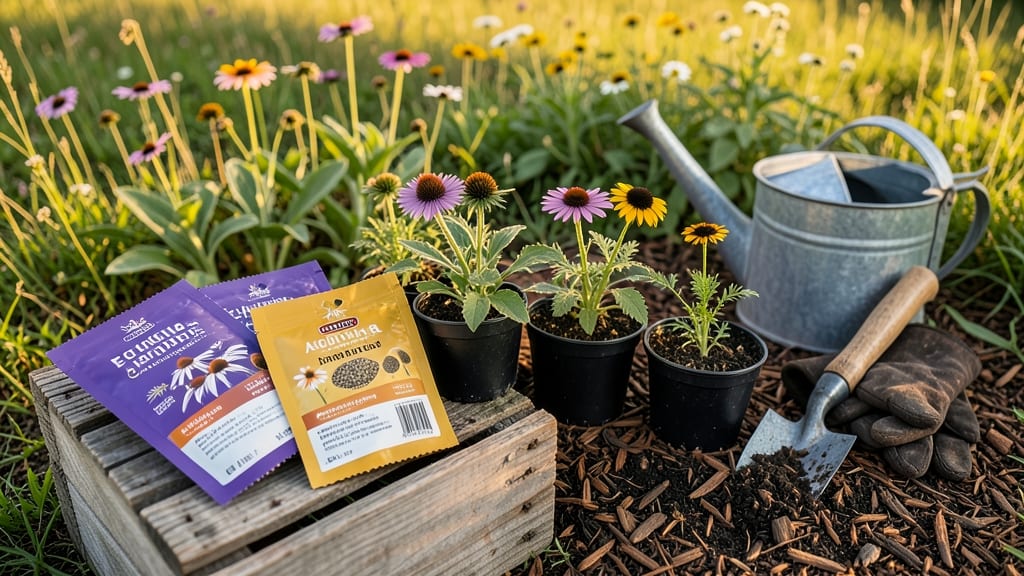
Planting wildflowers in Zone 8 at the wrong time can mean the difference between a vibrant, pollinator-friendly garden and a patch of bare soil. The key to success lies in understanding whether your wildflowers are cool-season or warm-season varieties—and when to plant them for the best results.
If you're dreaming of bright blooms from spring through fall, timing matters more than you might think. Wildflowers like Black-Eyed Susans and Purple Coneflower thrive when planted in early spring or fall, but some annuals like Cosmos can handle late summer sowing.
Let me break down the best months for each type so you can avoid common mistakes and enjoy a garden that buzzes with life.
For Zone 8 gardeners, the ideal planting window is March-April or September-October, but there are nuances depending on your microclimate. Whether you're near the coast or inland, I’ll share how to adjust your timing for the most reliable blooms—plus tips to extend your wildflower season with simple hacks.
Ready to transform your landscape into a pollinator paradise? Let’s dive into the exact steps to plant wildflowers at the perfect time for your Zone 8 garden—no guesswork required.
Zone 8 wildflower planting calendar: month-by-month breakdown for perennials and annuals
Mastering the perfect planting window for wildflowers in Zone 8 means understanding your region's microclimates and frost dates. Unlike cooler zones, Zone 8 offers two prime planting seasons: early spring and fall.
This dual approach ensures vibrant blooms from spring through fall, with minimal winter dieback for perennials like Purple Coneflower.
In Zone 8, fall planting is often underrated but critical for establishing roots before winter. Start sowing annuals like Cosmos and perennials like Black-Eyed Susans in September—this gives seeds time to germinate before the first frost, typically around mid-November.
Spring planting, however, is ideal for frost-sensitive species like Mexican Sunflower.
Temperature thresholds are your best guide. Aim for soil temps between 60-75°F for optimal germination. In Zone 8's inland areas, like Las Vegas or Phoenix, you can push planting into late fall or even early winter for some species. Coastal areas, like San Diego, may experience cooler winters, so adjust timing accordingly.
For spring planting, start with February for early bloomers like
How to extend your wildflower season: fall planting hacks for Zone 8’s mild winters
Fall planting is my secret weapon for longer wildflower seasons in Zone 8. While many gardeners focus on spring, late summer and early fall offer cooler soils and fewer weeds—perfect conditions for seeds to establish roots before winter.
With Zone 8’s mild winters, many wildflowers can even sprout early, giving you a head start on spring blooms.
For annual wildflowers like Cosmos and perennials such as Purple Coneflower, timing is critical. Plant too late, and frost may nip tender seedlings. Too early, and summer’s heat can stress young plants.
My goal? Help you beat the clock with proven techniques that work in my Zone 8 garden—and yours.
Don’t overlook soil temperature—it’s the silent game-changer. Use a soil thermometer to monitor temps. For annuals, wait until soil cools to 75°F or below. For perennials, aim for 60-65°F to encourage germination before winter sets in.
I’ve learned this the hard way: planting too early in August’s heat can bake seeds into the soil.
Pro tip: Test your soil’s pH before planting. Most wildflowers thrive in neutral to slightly acidic soil (6.0-7.0). If your soil is too alkaline, mix in peat moss or sulfur to adjust. My local nursery offers free pH tests—always take advantage!
For extended blooms, combine fall planting with succession sowing. Plant a second batch of Cosmos seeds in late September—they’ll bloom in early spring, filling gaps left by winter. Pair this with early spring plantings of Black-Eyed Susans for continuous color from April through October. 🌼