
Planting
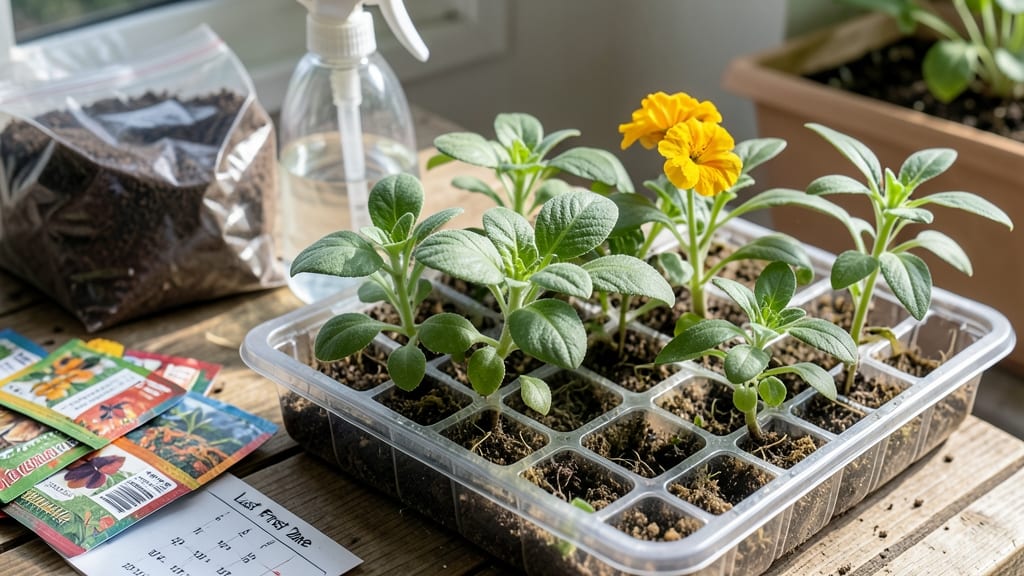
Knowing when to start planting flower seeds is the secret to a garden bursting with 🌸 vibrant blooms from spring through fall—but miss the window, and you might end up with frost-nipped seedlings or leggy, sad plants.
If you’ve ever stared at a seed packet wondering, "When should I actually start planting?", you’re not alone. The answer depends on your USDA Zone, whether you’re starting seeds indoors or sowing directly outside, and even the type of flower you’re growing.
For most gardeners in Zone 6a, like me, the magic happens 4-6 weeks before the last frost—but there’s more to it than just counting backward on a calendar.
In this guide, I’ll break down the exact frost-free timeline for popular flowers, so you can avoid common mistakes like planting too early (and risking frost damage) or too late (and missing the blooms).
You’ll also discover how to adjust for unpredictable weather, whether you’re growing sun-loving zinnias or shade-tolerant impatiens. Let’s get those seeds in the ground at the perfect moment!
Ready to transform your garden into a blooming paradise? The key is knowing when to start—and I’ve got the foolproof schedule you need. No more guessing, just gorgeous results!


Optimal planting dates for flower seeds by frost Zone
Getting your flower seeds in the ground at the right time means the difference between a blooming garden and a sad, stunted mess. Your USDA frost zone dictates when to start seeds indoors or sow them directly outdoors.
For example, in Zone 3, where winters are brutal, you’ll need to begin pansies indoors by February, while Zone 10 gardeners can direct-sow marigolds year-round. Let’s break down the exact windows for 12 popular flowers across Zones 3-10.
Most gardeners follow the last frost date rule: start cool-season flowers 4-6 weeks before your average last frost, and sow warm-season flowers after the danger of frost has passed. But soil temperature matters just as much—seeds like zinnias won’t germinate until the soil hits 60°F.
Below, you’ll find a zone-by-zone guide, plus tips for adjusting if your spring arrives early or late.
For Zones 3-5, where frost lingers longer, I recommend starting cool-season flowers like pansies and snapdragons indoors by February. In Zones 6-8, you’ve got more flexibility—direct-sow marigolds and cosmos as soon as the soil warms to 60°F, typically late April to early May.
Meanwhile, Zone 9-10 gardeners can sow warm-season flowers
How to adjust planting times for unpredictable weather
Unpredictable weather can throw off even the most carefully planned planting schedule. Late frosts can kill tender seedlings, while early heatwaves may stress young plants before they establish roots. Adjusting your timing—whether by using soil warming techniques or protective coverings—helps safeguard your garden investments.
The key is flexibility: knowing how to delay or advance planting based on real-time conditions keeps your flowers thriving.
For example, if your last frost date shifts later than expected, opt for cold-hardy varieties like pansies or snapdragons, which tolerate cooler soils. Alternatively, use row covers or cold frames to create microclimates for heat-loving flowers like marigolds or zinnias.
These strategies let you plant on schedule even when Mother Nature doesn’t cooperate.
Planting flower seeds too early risks frost damage, while delaying too long can stunt growth. Use this 3-step risk assessment before sowing:
- Check soil temps: Most seeds need 60°F+ for germination.
- Monitor forecasts: Avoid planting if frost is predicted within 7 days.
- Hardening off: Acclimate seedlings 7-10 days before transplanting outdoors.
Soil warming is one of the simplest ways to extend your planting window. Black plastic mulch or clear plastic tunnels absorb sunlight and raise soil temperatures by 10-15°F, making it safe to sow heat-loving flowers like petunias or geraniums 2-3 weeks earlier.
For cooler climates, straw mulch insulates soil and retains moisture, protecting seedlings from temperature swings.
When heatwaves strike after sowing, prioritize shade cloth (30-50% coverage) to prevent seedling stress. Pair this with daily watering in the morning to keep soils consistently moist. For drought-prone areas, group plants with similar water needs (e.g., lavender and cosmos) to minimize waste.
Always water at the base of plants, not overhead, to reduce fungal risks.
Hardening off seedlings is non-negotiable for unpredictable weather transitions. Gradually expose young plants to wind, sun, and temperature fluctuations over 7-10 days by moving them outdoors for increasing durations each day. Start with 1-2 hours of shade on Day 1, then progress to full sun by Day 5.
This toughens stems and roots, ensuring they survive last-minute frost warnings or sudden heat spikes.
Finally, keep a planting journal to track what works in your microclimate. Note soil temps, frost dates, and seedling responses to adjust future schedules. For example, if zinnias bolt in your area by mid-July, shift to late-summer varieties like cosmos for extended blooms.
With these strategies, you’ll beat the weather and enjoy a garden that blooms on time—every time.