
Shrubs
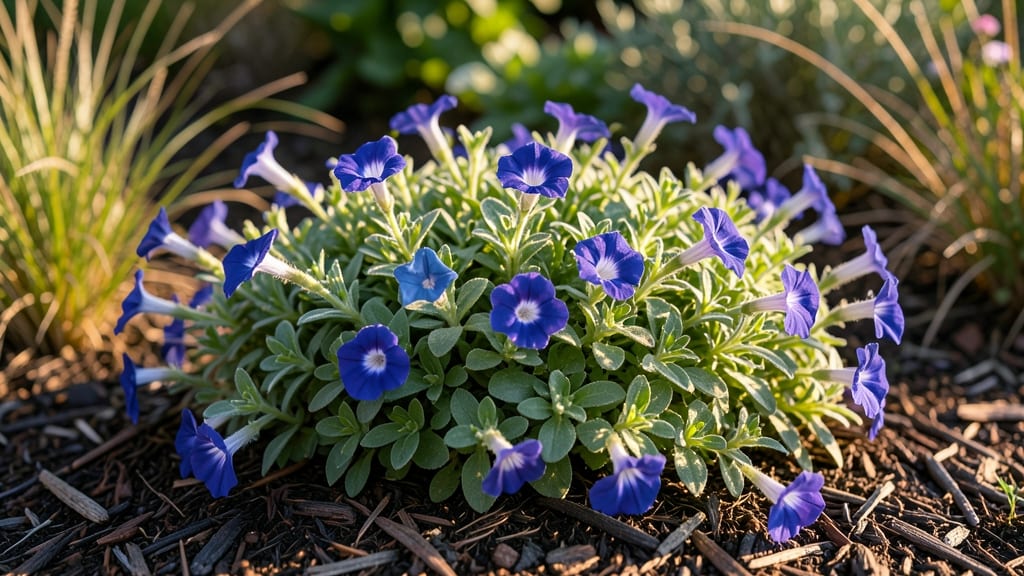
Struggling to keep your Wishbone Flower 🌸 thriving with sun or shade? These delicate blooms are finicky about light—too much scorches them, while too little leaves them leggy and sparse.
The secret to vibrant, long-lasting flowers lies in understanding their light needs, whether you're growing them in containers or garden beds.
I’ve tested countless setups, from bright morning sun to dappled shade, and found the perfect balance for year-round blooms. Wishbone flowers love bright but indirect light, making them ideal for east-facing windows or shaded garden spots.
But here’s the catch: they wilt in harsh afternoon sun and stretch out in dim corners.
In this guide, I’ll show you exactly how to adapt your care based on your space—whether it’s a sunny patio or a shady corner.
You’ll learn to spot signs of light stress (like yellowing leaves or sparse flowers) and fix them fast, plus pro tips for pruning and companion plants to extend their blooming season.
Ready to transform your Wishbone Flower 🌸 from struggling to stunning? Let’s dive into the light secrets that’ll keep those flowers popping all season long—no guesswork required.
 Best Window Placement
Wishbone flower light requirements: sun vs shade balance explained
The wishbone flower (Torenia fournieri) is a stunning annual with delicate, heart-shaped blooms that seem to dance in the breeze. However, its light requirements are surprisingly nuanced. Unlike sun-loving plants, wishbone flowers crave bright but indirect light, making them perfect for gardeners with tricky lighting conditions.
Understanding the balance between morning sun and afternoon shade is key to keeping your plants thriving and blooming abundantly.
In my experience, wishbone flowers perform best with 4 to 6 hours of morning sunlight followed by dappled shade or filtered light in the afternoon. This setup mimics their natural habitat in understory environments, where they receive gentle light filtered through taller trees.
Too much direct afternoon sun can cause leaf scorch or bleached petals, while insufficient light leads to leggy stems and sparse blooms.
Seasonal adjustments are crucial, too. During summer, when the sun is most intense, wishbone flowers may need even more shade protection, while winter's milder light allows them to tolerate slightly sunnier spots. Let's break down the ideal light conditions in a simple comparison to help you find the perfect spot for your wishbone flowers.
When selecting a spot for your wishbone flowers, prioritize locations with east-facing exposure, where they can bask in gentle morning sunlight without the harsh afternoon rays.
If you're growing them in containers, place them on a patio or balcony that receives morning sun and move them to a shaded area after 10 AM. This simple adjustment can make a world of difference in preventing sunburned leaves and wilting petals.
For gardeners in hot climates, creating a DIY shade cloth structure with 30-50% shade coverage is a game-changer. I’ve used lightweight fabric draped over a trellis to filter sunlight while allowing airflow. This method keeps wishbone flowers cool during peak heat while still providing enough light for robust growth.
In cooler regions, you can extend their sunlight exposure slightly, but always monitor for signs of stress like yellowing leaves or drooping stems.
Indoor wishbone flowers also benefit from strategic placement. Position them near an east-facing window where they can receive bright indirect light for most of the day. If your home lacks natural light, supplement with a grow light for 6-8 hours daily.
LED grow lights with a cool white spectrum work wonders for encouraging blooms without overheating the plants. I’ve seen wishbone flowers thrive under these conditions, producing vibrant flowers even in the heart of winter.
One common mistake I’ve observed is assuming that more sun is always better. Wishbone flowers are not drought-tolerant, and excessive sunlight can dry out their delicate roots faster than they can absorb moisture.
Pair their light requirements with consistent watering—keeping the soil evenly moist but not soggy—to maintain their health. Mulching around the base of the plant helps retain moisture and regulate soil temperature, creating an ideal microclimate for your wishbone flowers.
To identify the perfect spot in your garden, observe how light moves throughout the day. Notice which areas receive direct sunlight at different times and where shadows fall. A simple test is to place a white sheet of paper in potential spots for a few hours.
If it stays cool to the touch, it’s likely a good location for wishbone flowers. If it feels warm or hot, consider adding shade or moving your plants to a cooler area.
Seasonal transitions require extra attention. In spring and fall, when days are shorter and sunlight is less intense, wishbone flowers can handle slightly more direct light. However, as summer approaches, reduce their exposure to prevent heat stress.
Conversely, in winter, when natural light is scarce, you may need to supplement with artificial lighting or choose the sunnest spot available in your home or garden.
Remember, the goal is to mimic their natural environment as closely as possible. Wishbone flowers in the wild grow under the canopy of taller plants, where they receive filtered light and protection from harsh elements. By recreating these conditions—whether
How to adapt wishbone flowers to low-light or high-sun gardens
Wishbone flowers (Torenia fournieri) are famously adaptable, but their light needs can make or break your blooms. In low-light gardens, they stretch toward light and produce fewer flowers, while high-sun spots can scorch their delicate petals.
The key is adapting their care to match your space—whether that’s a shady balcony or a sunny windowsill.
I’ve grown wishbone flowers in everything from dappled forest edges to south-facing containers, and the difference in performance is night-and-day. With the right adjustments—like pruning, companion planting, and container hacks—you can coax vibrant blooms even in the trickiest light conditions.
Let’s break down how to make it work for your garden.
- 🌿 For Low-Light Gardens: Place near east-facing windows or under dappled shade (like tree canopies). Use reflective surfaces (mirrors or white walls) to bounce light.
- ☀️ For High-Sun Gardens: Provide afternoon shade with sheer curtains or lattice screens. Avoid direct midday sun in hot climates.
- ✂️ Pruning Hack: Pinch back leggy stems in low light to encourage bushier growth. In high sun, trim wilting leaves to reduce stress.
- 🪴 Container Magic: Use light-colored pots to reflect heat in sunny spots. Add perlite to soil for better drainage in high sun.
- 🌱 Companion Plants: Pair with low-growing ferns (for shade) or trailing ivy (for sun) to stabilize light conditions.
If your wishbone flowers are in low-light conditions, focus on maximizing indirect light. Move them to the brightest spot in your home or garden, even if it’s just a few feet closer to a window.
I’ve seen wishbone flowers thrive in kitchens with south-facing windows or under patio umbrellas—just avoid deep shade where they’ll struggle to bloom.
For high-sun gardens, the goal is to protect them from scorching. Use lightweight shade cloths (30-50% coverage) during peak afternoon hours, or plant them near structures that cast natural shade. In containers, opt for terracotta pots, which dissipate heat better than plastic.
Don’t overlook the power of companion planting! In shady spots, pair wishbone flowers with hostas or impatiens to create a microclimate that retains moisture. In sunny areas, plant them alongside coleus or sweet potatoes, which tolerate heat and provide a living mulch.
With these tweaks, your wishbone flowers will reward you with continuous blooms, even in less-than-ideal light. The secret? Pay attention to their leaves and stems—they’ll tell you exactly what they need. Happy gardening! 🌸