
Planting
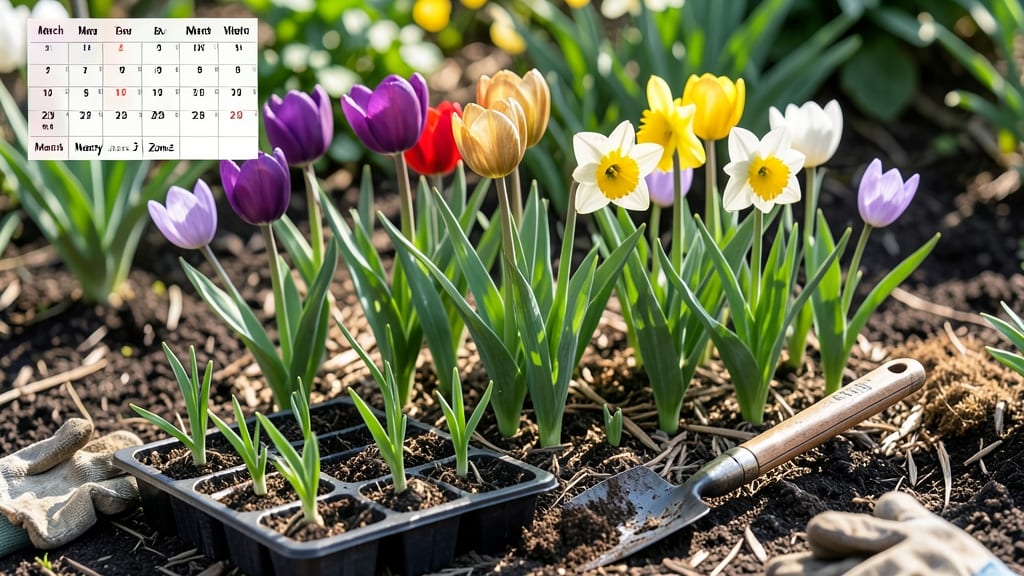
Mastering your Zone 5 flower planting schedule means the difference between a garden bursting with color and one that struggles to survive. In this unpredictable climate, getting the timing right isn’t just about avoiding frost—it’s about giving each variety the perfect head start for thriving blooms.
From tulips 🌸 that need chilly soil to marigolds that crave warmth, every flower has its own ideal window.
I’ll break down exactly when to plant annuals, perennials, bulbs, and shrubs—plus how to adjust for your specific corner of Zone 5 (whether you’re in Chicago’s windy pockets or Denver’s high-altitude chill).
You’ll discover proven strategies like using row covers to extend seasons and mulching to regulate soil temps. No more guessing whether your cone flowers will bolt or your dahlias will freeze—just a clear, variety-specific roadmap to peak blooms all season.
Ready to transform your garden into a year-round showstopper? Let’s dive into the exact weeks before last frost that’ll make your flowers thrive—not just survive.

Exact weeks before last frost to plant Zone 5 flowers by type
Zone 5 gardeners have a 6-8 week window before the last frost to plant most flowers, but timing varies wildly between annuals, perennials, bulbs, and shrubs.
The key is understanding your local frost date range—Chicago’s average last frost is April 15, while Denver’s is May 1, creating a 3-week difference in planting deadlines. Cold-hardy varieties like tulips and peonies can handle early planting, while marigolds and zinnias need warmer soil.
For spring-blooming bulbs (e.g., daffodils, hyacinths), plant 6-8 weeks before first frost (late September to early November) to establish roots before winter. Perennials like coneflowers and black-eyed Susans thrive when planted 4-6 weeks before last frost (March to early April), while annuals like petunias and cosmos wait until 2-4 weeks after last frost (May to early June) for soil warmth.
Shrubs like butterfly bush can go in anytime soil isn’t frozen, but early spring is ideal.
Use this science-backed schedule to avoid common mistakes: planting heat-loving flowers (e.g., sunflowers, dahlias) too early leads to stunted growth, while cold-sensitive varieties (e.g., geraniums, impatiens) planted late may never bloom.
Adjust for your early, mid, or late Zone 5 region—Denver’s high altitude means 2 weeks later than Chicago’s lake-effect climate.
| Flower Type | Planting Window (Weeks Before Last Frost) | Zone 5 Examples | Notes |
|---|---|---|---|
| Spring-Blooming Bulbs | 6-8 weeks | Tulips, Daffodils, Hyacinths | Plant in September-October for spring blooms. |
| Perennials | 4-6 weeks | Coneflowers, Peonies, Lavender | Ideal in March-April; mulch after planting. |
| Cold-Hardy Annuals | 2-4 weeks before last frost | Pansies, Snapdragons, Sweet Alyssum | Tolerate light frost; plant in late March-early April. |
| Heat-Loving Annuals | 2-4 weeks after last frost | Marigolds, Zinnias, Sunflowers | Wait until May-June for soil warmth. |
| Shrubs | Anytime soil isn’t frozen | Butterfly Bush, Lilacs, Hydrangeas | Best in early spring or fall. |
| Fall-Blooming Bulbs | 6-8 weeks before first frost | Crocuses, Alliums, Fall Dahlias | Plant in August-September for fall/winter color. |
For Zone 5’s early regions (e.g., Chicago, Detroit), aim for 4-6 weeks before last frost (mid-March to early April) for perennials and cold-hardy annuals. In mid-Zone 5 (e.g., Minneapolis, Denver), shift to 3-5 weeks before last frost (late March to mid-April) to avoid late spring frosts.
Late Zone 5 areas (e.g., Colorado Springs, high-altitude zones) can plant
How to adjust your planting schedule for Zone 5 microclimates
Zone 5’s microclimates can turn your garden into a puzzle—one spot might be a warm urban heat island while another freezes overnight. These tiny climate differences mean your tulips 🌱 might thrive where your petunias struggle.
The key? Adjusting your planting schedule based on your yard’s specific conditions, not just the zone average.
High-altitude gardens in Denver or Boulder stay colder longer, while Chicago’s pavement-heated pockets can be 10°F warmer. Windy areas near lakes or mountains need earlier starts, while sheltered spots can handle late-season plantings.
I’ll show you how to spot these microclimates and tweak your schedule to protect borderline-hardy plants like dahlias or cosmos.
Even with perfect timing, late frosts can still sneak in. That’s where row covers and cold frames become your secret weapons. A simple floating row cover can add 4-8°F of protection, letting you plant marigolds or zinnias 2-3 weeks earlier.
For high-altitude gardens, black plastic mulch warms soil by 5-7°F, giving seeds a head start.
⚠️ callout warning ⚠️
- Hot spots: Delay heat-lovers (lantana) by 1-2 weeks
- Cold pockets: Start cool-lovers (pansies) 2 weeks earlier
- Windy areas: Use windbreaks or plant low-growing varieties
For urban heat islands, where pavement radiates heat, opt for shade-tolerant annuals like impatiens or begonias. These thrive in partial shade but still need consistent moisture. In contrast, high-altitude gardens benefit from slow-release fertilizers to compensate for cooler soils.
A simple trick? Plant early bulbs like crocuses in October—their chill requirements are met faster in cold microclimates.
Don’t overlook fall planting adjustments. In windy areas, protect seedlings with straw mulch to prevent desiccation. For late-season bloomers like mums, use cold frames to extend blooming by 3-4 weeks. Even perennials need timing tweaks—peony roots should go in September in hot microclimates, but October in cold ones.
Your Zone 5 garden doesn’t have to be a guessing game. By mapping your microclimates and using these season-extending tools, you’ll turn frost risks into blooming opportunities.
Start with one high-risk area—like your north-facing bed—and test adjustments for a year. Soon, you’ll have a custom schedule that outsmarts Zone 5’s quirks. 🌿