
Flowers
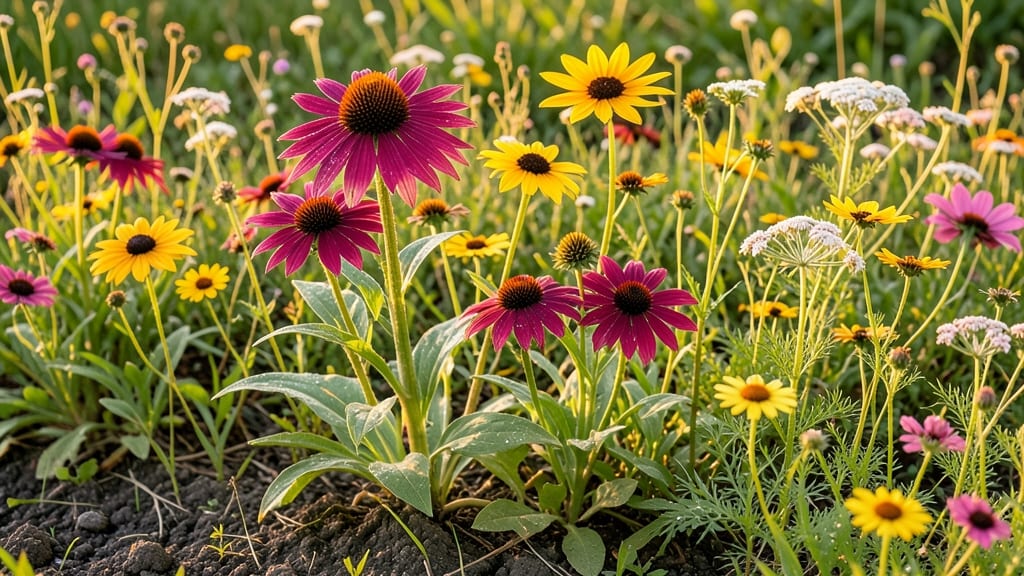
If you’ve ever wondered are wildflowers annuals or perennials, the answer might surprise you—because wildflowers aren’t just one or the other. Some bloom fiercely for a single season, while others establish deep roots and come back stronger, shaping your garden’s long-term beauty in ways you might not expect.
This distinction isn’t just about aesthetics—it’s the key to planning a garden that thrives with minimal effort. Annual wildflowers like cosmos or sunflowers deliver instant color but require replanting, while perennials like coneflowers or black-eyed Susans reward patience with years of blooms.
Knowing which type suits your space can transform a one-time planting into a self-sustaining meadow.
Whether you’re a beginner or a seasoned gardener, understanding these life cycles helps you design a garden that works with nature—not against it.
I’ll break down the differences, share practical tips for mixing both types, and show you how to create a garden that stays vibrant from spring to fall without the guesswork.
Ready to turn your patch of earth into a pollinator paradise that lasts? Let’s dive into the secrets of wildflower life cycles and how they can simplify your gardening routine for years to come.
Annual vs perennial wildflowers: key differences in life cycles
When planning your wildflower garden, one of the first questions I ask myself is whether to plant annuals or perennials. The answer shapes everything from bloom timing to maintenance efforts. Annual wildflowers complete their entire life cycle in one growing season, while perennials return year after year.
This fundamental difference impacts how you design your garden and what you can expect from your plants.
Annual wildflowers like cosmos and zinnia burst into color quickly, offering vibrant blooms from spring through fall. They’re perfect for filling gaps or creating instant impact. Perennials, such as coneflowers and black-eyed Susans, establish roots over time and reward you with reliable blooms for multiple seasons.
Understanding these differences helps me choose plants that align with my goals—whether it’s quick color or long-term beauty.
Here’s a quick comparison to help you visualize the key differences between these two types:
| Characteristic | Annual Wildflowers | Perennial Wildflowers |
|---|---|---|
| Life Span | One growing season (spring to fall) | Multiple years (3+ seasons) |
| Growth Habit | Fast-growing, quick blooms | Slow establishment, gradual spread |
| Examples | Cosmos, Zinnia, Sunflower | Coneflower, Black-eyed Susan, Bee Balm |
| Bloom Season | Spring to fall (varies by species) | Spring through summer (some rebloom) |
| Ecological Role | Early pollinator support | Long-term habitat for pollinators |
| Planting Strategy | Replant yearly for continuous color | Plant once, enjoy for years |
Annual wildflowers are ideal if you want immediate color and don’t mind replanting each year. They’re also great for succession planting, where you stagger plantings to extend the bloom season.
For example, I often plant cosmos in early spring for summer blooms, then follow up with sunflowers in late spring for a fall display.
Perennials, on the other hand, offer low-maintenance beauty once established. They develop deep root systems that make them more drought-tolerant over time. For instance, purple coneflowers thrive in my garden with minimal care, returning every year with vibrant blooms that attract butterflies and bees.
Their long lifespan makes them a cost-effective choice for gardeners who prefer hands-off gardening.
One of the biggest advantages of perennials is their ability to self-seed and spread naturally. Plants like yarrow and goldenrod often pop up in unexpected places, creating a wild, natural look that many gardeners love.
This self-sustaining habit reduces the need for replanting and adds to the garden’s ecological diversity.
For garden planning, I recommend mixing both types to create a balanced ecosystem. Annuals provide early-season color and support for pollinators when perennials are still establishing. Perennials ensure continuous blooms and habitat for wildlife throughout the growing season.
For example, I might plant annual marigolds alongside perennial lavender to create a pollinator-friendly border that blooms from spring to fall.
Another key consideration is soil preparation. Annuals typically require well-draining soil with moderate fertility, while perennials often thrive in poor, rocky soil once established.
I’ve found that amending my garden beds with compost before planting annuals gives them a strong start, while perennials often do well with minimal soil prep if the site has good drainage.
When choosing wildflowers, think about your garden’s long-term goals. If you’re creating a pollinator garden, perennials like bee balm and milkweed are excellent choices for their year-round benefits.
For a cutting garden, annuals like snapdragons and dahlias offer a wide variety of colors and forms that perennials can’t match in a single season.
Remember that some wildflowers blur the line between annuals and perennials. For example, biennials like foxglove take two years to complete their life cycle, producing foliage the first year and flowers the second.
These can be a fun addition to your garden if you’re willing to wait for their spectacular displays.
Ultimately, the choice between annual and perennial wildflowers depends on your garden vision, time commitment, and ecological goals. Whether you opt for the quick blooms of annuals or the enduring beauty of perennials, both types play a vital role in creating a thriving, vibrant garden ecosystem. 🌼
How to choose wildflowers based on your garden’s needs
Choosing wildflowers that align with your garden’s specific needs can transform a patch of earth into a vibrant, low-maintenance haven. Whether you crave instant color bursts or long-term beauty, understanding the differences between annuals and perennials is key.
Annuals deliver quick blooms but fade after one season, while perennials return year after year with minimal effort. My garden thrives on a mix of both—annuals for summer splashes and perennials for structure.
Start by assessing your garden’s sunlight exposure and climate zone. Wildflowers like cosmos and sunflowers thrive in full sun, while black-eyed Susans and coneflowers adapt to partial shade. For pollinators, prioritize native species—they’re hardier and attract bees, butterflies, and hummingbirds effortlessly.
My USDA Zone 6a garden blooms best with a blend of sun-loving annuals and shade-tolerant perennials.
- Annual Wildflowers: Quick blooms, one-season lifespan (e.g., zinnia, marigold, lupine).
- Perennial Wildflowers: Return yearly, low-maintenance (e.g., bee balm, yarrow, goldenrod).
- Wildflower Mixes: Pre-blended seeds for instant, diverse blooms (ideal for pollinator gardens).
- Self-Seeding Perennials: "Cheat" the system by reseeding naturally (e.g., coreopsis, poppies).
For quick color bursts, annuals are your best bet. Plant cosmos or sunflowers in spring for summer-long blooms that fade with frost. These are perfect for cutting gardens or filling gaps in perennial borders.
I love using them in containers on my patio—they brighten up spaces instantly and attract pollinators within weeks.
If you prefer long-term beauty, perennials like coneflowers and black-eyed Susans multiply over time with almost no care. They establish roots in the first year and burst into color in subsequent seasons.
My drought-tolerant perennials thrive on rainfall alone, making them ideal for low-water gardens. Pair them with self-seeding varieties like poppies for effortless renewal.
For a low-maintenance pollinator garden, wildflower mixes are a game-changer. These blends include a variety of annuals and perennials tailored to your region, ensuring continuous blooms and food for bees.
I’ve seen monarch butterflies flock to my mix of milkweed and purple coneflower—it’s a pollinator paradise with minimal upkeep. Just scatter the seeds, water lightly, and watch nature do the rest.
Plan your garden’s seasonal timeline to maximize blooms. Start with early spring annuals like lupine, followed by summer perennials like bee balm, and finish with fall-blooming goldenrod.
This layered approach ensures your garden stays vibrant from spring to frost. I mark my calendar to replant annuals in early spring and deadhead perennials mid-season for prolonged flowering.
Remember, the best wildflower garden balances aesthetics, function, and ease. Start small—try a 5x5-foot plot** with a mix of annuals and perennials—and expand as you learn what thrives in your space.
My garden’s success comes from embracing both types: annuals for instant gratification and perennials for enduring beauty. With the right mix, you’ll have a garden that’s as rewarding to grow as it is to admire. 🌼🌻