
Blooming
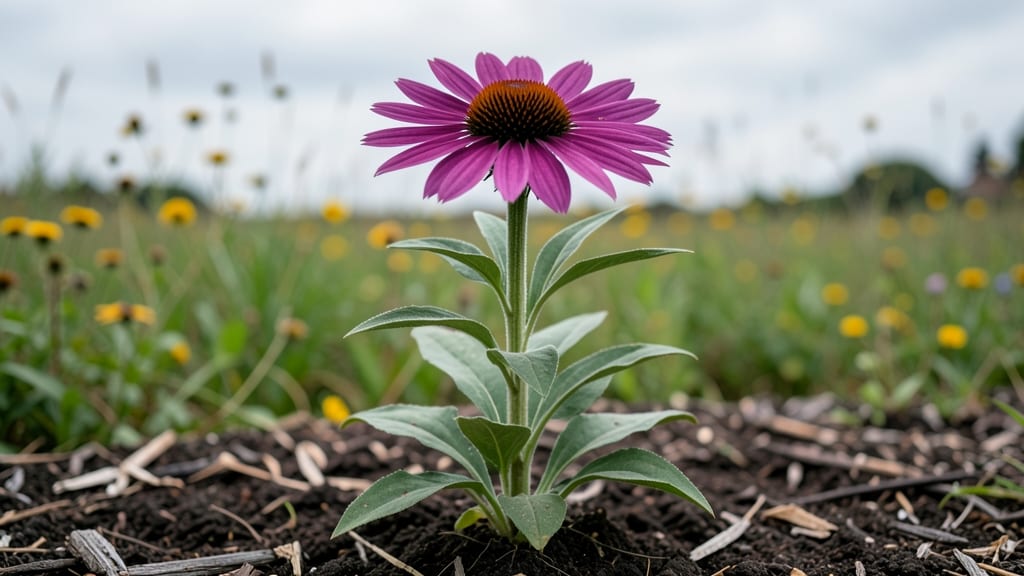
When purple coneflowers bloom, your garden transforms into a vibrant mid-summer masterpiece—but timing isn’t one-size-fits-all. These hardy 🌸 perennials thrive in USDA Zone 6a, yet their exact bloom window shifts based on when you planted them and your local climate.
Whether you’re planning a pollinator-friendly landscape or simply eager for that pop of color, knowing these details makes all the difference.
The magic usually unfolds between July and September, but early spring or fall planting can nudge those blooms earlier or later. In cooler zones, expect them to linger well into autumn, while warmer regions might see a more condensed 2-3 month display.
The key? Planting at the right time and giving them full sun—because these flowers don’t just bloom, they thrive.
What’s even better? With a few simple care tricks, you can stretch that blooming season even longer. Deadheading spent flowers, for example, signals the plant to produce more buds, while proper watering keeps them vibrant.
Think of it as giving your 🌸 purple coneflowers a little extra encouragement to shine brighter and longer.
Ready to turn your garden into a late-summer hotspot? Let’s break down exactly when to expect those iconic purple blooms—and how to keep them coming back year after year. Your pollinators will thank you!
Purple coneflower bloom timeline by USDA zone: month-by-month guide
Planning your garden around purple coneflower blooms means understanding how your USDA zone dictates timing. These Echinacea purpurea plants thrive in zones 3-10, but their bloom windows shift dramatically—from early July in cooler zones to late June in warmer southern climates.
Knowing these month-by-month patterns helps you schedule planting, deadheading, and companion plants for maximum impact.
In USDA zones 3-5, purple coneflowers often wait until mid-July to burst into color, while zones 6-8 see peak blooms as early as late June. Southern gardeners in zones 9-10 may enjoy flowers by June 1st, sometimes even earlier with ideal conditions.
The key? Planting time—fall-planted roots establish earlier, while spring-planted varieties lag slightly.
Here’s how to align your expectations with your climate zone for perfect purple coneflower timing:
| USDA Zone | Early Bloom Window | Peak Bloom Period | Late Bloom Window | Notes |
|---|---|---|---|---|
| Zones 3-4 | Mid-July | Late July - Early August | Mid-September | Cooler climates delay blooms; mulch helps roots warm. |
| Zones 5-6 | Late June | July - Early August | Late September | Moderate zones offer longest bloom duration. |
| Zones 7-8 | Early June | June - July | Early October | Heat may stress plants; provide afternoon shade. |
| Zones 9-10 | Late May | June - Early July | Mid-September | Early blooms possible; avoid overwatering. |
For gardeners in USDA zones 3-4, the mid-July bloom start might feel late, but patience pays off with flowers lasting until mid-September. In these cooler regions, spring-planted coneflowers often bloom 2-3 weeks later than fall-planted varieties.
To speed things up, plant container-grown roots in early spring for a head start.
Zones 5-6 strike the perfect balance, with blooms beginning in late June and continuing through early October. This extended window makes them ideal for cut flower gardens or pollinator-friendly landscapes. Here, deadheading spent blooms in August can coax a second flush of flowers by September.
Southern gardeners in zones 7-10 often see their purple coneflowers bloom earliest, sometimes as early as late May. However, intense summer heat can shorten the bloom period. To combat this, provide afternoon shade during peak heat waves and water deeply but infrequently to encourage deep root growth.
Adjust your planting schedule based on your zone to fine-tune bloom timing. In cooler zones (3-5), plant in early fall (September) for earlier blooms next summer.
In warmer zones (7-10), spring planting (March) works best to avoid summer stress. Always choose well-draining soil and full sun locations for optimal results.
Pro tip: Pair your purple coneflowers with black-eyed Susans or goldenrod to create a longer-lasting color show. While coneflowers fade in late summer, these companions will take over, ensuring your garden stays vibrant until frost.
If you’re new to growing Echinacea purpurea, start with one or two plants to test your zone’s timing. Once you understand the bloom patterns, expand your garden with different varieties like ‘Magnus’ (taller stems) or ‘White Swan’ (pale blooms) for added diversity and extended seasonal interest.
Remember, purple coneflowers are drought-tolerant once established, but their bloom timing depends heavily on your climate. By aligning your planting with your USDA zone, you’ll enjoy stunning purple blooms exactly when you expect them—year after year. 🌸
How to extend purple coneflower blooms: pruning, deadheading, and care tips
Purple coneflowers (Echinacea purpurea) are famous for their long-lasting blooms, but with the right care, you can turn a 2-month display into a 4-month spectacle. The secret lies in understanding when and how to prune and deadhead—two simple tasks that trick your plants into producing more flowers.
I’ve found that timing is everything; a little too early or late, and you might accidentally cut off next year’s blooms or miss the rebloom window.
Most gardeners focus on deadheading, but pruning plays an equally crucial role. For example, a light pruning in early spring removes dead foliage while encouraging fresh growth, while mid-summer deadheading keeps the flower production rolling.
The key is to work with your plant’s natural rhythm rather than against it. Let’s break down the exact steps to maximize those stunning purple blooms all season long.
Cut back dead foliage by 1/3 to encourage new growth. Avoid heavy pruning—this is when buds for next year’s blooms form! Use sterilized shears to prevent disease.
Snip off spent blooms just above the next set of leaves to trigger rebloom. Do this every 2-3 weeks for continuous flowers. Wear gloves—those seed heads can be prickly!
Remove yellowing leaves but leave healthy foliage to photosynthesize for winter. This prevents disease while keeping roots strong. Avoid cutting back more than 20% of the plant.
Cut back all stems to 2-3 inches above ground. Add mulch (2-3 inches) to insulate roots. This prepares the plant for dormancy while protecting against harsh winters.
One common mistake I see is over-pruning in fall. Some gardeners cut their coneflowers back to the ground, thinking it’s better for the plant—but this removes next year’s flower buds.
Instead, leave those stems standing; they provide winter interest and protect the crown. Another tip: Water deeply after pruning to help the plant recover quickly.
For even longer blooms, consider light fertilization in spring (use a 5-10-10 balanced formula) and avoid heavy nitrogen—it promotes leafy growth at the expense of flowers. I’ve also noticed that well-drained soil makes a huge difference; coneflowers hate soggy roots.
If your garden has heavy clay, amend with compost or sand before planting.
With these simple steps, your purple coneflowers will reward you with vibrant blooms from early summer through fall. The best part? These same techniques work for other perennial flowers like black-eyed Susans and bee balm. Happy gardening—your pollinators will thank you! 🌸