
Blooming
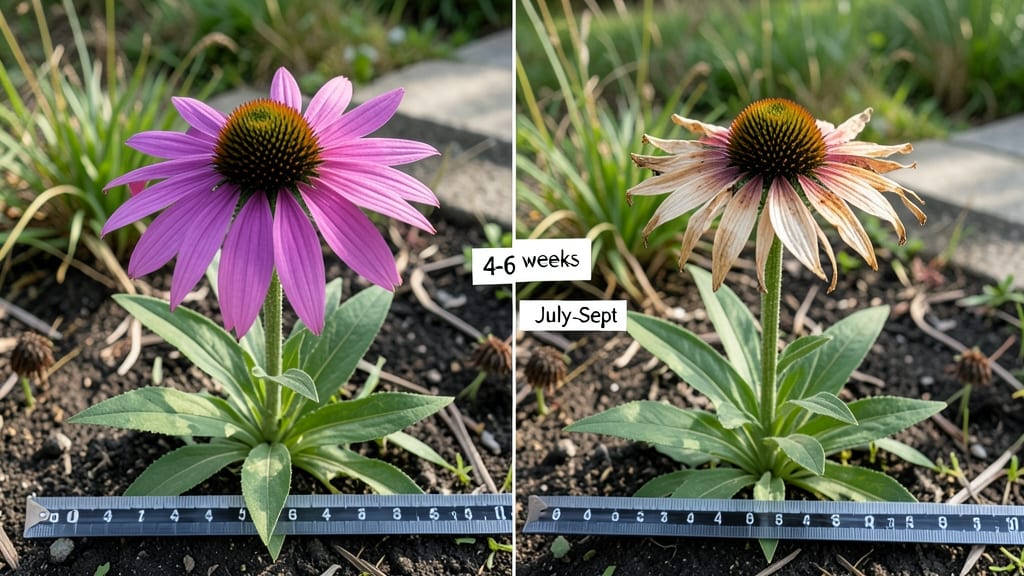
Wondering how long coneflowers bloom and why they’re the unsung heroes of any garden? These hardy perennials can put on a show for 6-8 weeks or longer, transforming your yard into a pollinator paradise from early summer through fall.
What makes coneflowers so special isn’t just their long-lasting blooms—it’s how little they ask in return. With the right care, you can coax them into reblooming, extending their beauty well past the typical 3-month window most gardeners expect.
Whether you’re a beginner or a seasoned gardener, this is one plant that delivers big results with minimal effort.
But here’s the thing: their bloom duration isn’t set in stone. Factors like sunlight, soil health, and even your local climate can push those vibrant purple and pink blooms to last even longer.
I’ll break down exactly what influences their performance and share my top tips to keep your coneflowers looking fresh all season.
Ready to turn your garden into a coneflower oasis? Let’s dive into how you can maximize their bloom time—because once you see them in action, you’ll never want them gone.
Coneflower bloom duration: seasonal timeline and peak performance
Coneflowers (Echinacea) are famous for their long-lasting blooms, but their exact bloom duration depends on variety, care, and climate. Most perennial coneflowers bloom for 6-8 weeks in a single season, with some varieties extending this to 10 weeks when conditions are ideal.
The key lies in understanding their seasonal timeline and how to maximize their performance.
Blooming typically begins in early summer (June) and continues through late summer or early fall (August-September). This makes them a garden workhorse, providing color when many other perennials fade.
Their reblooming ability varies by type—some varieties produce a single flush of flowers, while others, like 'White Swan' or 'Magnus', may rebloom lightly if given proper care.
Individual flower heads last 2-4 weeks before fading, but the plant itself can produce new blooms throughout the season. This staggered blooming pattern ensures your garden stays vibrant for months. In USDA Zones 3-9, coneflowers thrive, but their bloom duration can shift slightly based on your specific zone and microclimate.
In cooler northern zones (3-5), coneflowers may bloom slightly later but often last longer into fall due to milder temperatures. Conversely, in warmer southern zones (8-9), they might start blooming earlier but fade faster if summer heat becomes extreme.
Providing afternoon shade in hot climates can extend their bloom time by 1-2 weeks.
Sunlight is another critical factor—full sun (6+ hours daily) ensures the longest bloom duration, while partial shade can reduce flowering by 20-30%.
If your garden receives only 4-6 hours of sun, consider planting coneflowers in a container near a sunny wall or pairing them with taller plants that won’t compete for light.
Perennial coneflowers store energy in their roots, which they use to produce new blooms. After the first flush of flowers fades, you can encourage reblooming by removing spent blooms (deadheading) and fertilizing lightly with a low-nitrogen, high-phosphorus formula. This practice can add 3-4 additional weeks of blooms in favorable conditions.
For annual coneflowers (like Echinacea paradoxa), the bloom duration is shorter—typically 4-6 weeks—since they focus all their energy on a single flowering cycle. However, their vibrant colors make them excellent seasonal fillers in containers or mixed borders.
To maximize bloom longevity, monitor your coneflowers for pests like aphids or diseases such as powdery mildew, which can weaken plants and shorten their flowering season. Regular inspections and prompt treatment with neem oil or insecticidal soap keep them healthy and blooming.
In my own garden, I’ve found that mulching around the base with 2-3 inches of organic mulch (like shredded leaves or straw) helps retain moisture and regulate soil temperature. This simple step can extend the bloom season by up to 2 weeks by reducing stress on the plants.
With the right care, your coneflowers can transform your garden into a season-long color show, from early summer through crisp autumn days. Their resilience and beauty make them a must-have perennial for any low-maintenance garden.
5 Proven tips to extend coneflower blooms for months
Coneflowers (Echinacea) are nature’s gift to gardeners—vibrant, hardy, and long-blooming perennials that thrive with minimal fuss. But did you know their bloom time can stretch from early summer to frost with the right care?
The secret lies in strategic deadheading, soil nutrition, and seasonal adjustments that keep your plants producing flowers instead of seeds. Let’s dive into my top 5 expert-approved methods to turn your coneflowers into a season-long spectacle.
First, let’s address the most common mistake gardeners make: assuming coneflowers will bloom indefinitely. While they’re tough and resilient, their natural cycle prioritizes seed production over flowers. By interrupting this cycle at the right time, you can trick your plants into reblooming for weeks longer than average.
The key? Timing and consistency—not just cutting flowers randomly. Let’s break it down step by step.
🌼 Numbered Highlights: Extend Coneflower Blooms
- 1. Deadhead Weekly – Snip spent blooms below the first set of leaves to encourage new stems. Use clean, sharp pruners or scissors to avoid damaging foliage.
- 2. Feed in Spring – Apply a balanced 10-10-10 fertilizer when new growth appears. Avoid high-nitrogen feeds, which promote leaves over blooms.
- 3. Mulch Thickly – Use 2-3 inches of organic mulch (straw or shredded bark) to retain moisture and suppress weeds, reducing stress on plants.
- 4. Water Deeply – Soak soil to 12 inches deep weekly during dry spells. Morning watering prevents fungal diseases and keeps blooms vibrant.
- 5. Cut Back in Fall – After frost, trim dead foliage to 2-3 inches above ground. This protects roots and promotes stronger reblooming next season.
Pro Tip: Pair coneflowers with companion plants like salvia or catmint to attract pollinators and extend their bloom time naturally.
Let’s start with deadheading, the simplest yet most effective trick. When you see a coneflower bloom fade from vibrant pink or purple to a dull brown, it’s signaling the plant to produce seeds.
By snipping the spent bloom stem just above the first healthy leaf set, you remove this signal and encourage the plant to redirect energy into new flower buds. I’ve seen coneflowers rebloom 3-4 times in a single season using this method alone—just be consistent!
Next, focus on soil health, which directly impacts bloom longevity. Coneflowers thrive in well-draining, slightly acidic soil (pH 6.0–7.0). Before planting, amend your soil with compost or aged manure to provide essential nutrients. In early spring, add a slow-release fertilizer to support robust growth.
Avoid over-fertilizing, though—too much nitrogen will give you lush leaves but fewer flowers. A light feeding in late spring and early summer is ideal.
Watering might seem straightforward, but many gardeners either overwater or underwater their coneflowers. These plants are drought-tolerant once established, but consistent moisture is key during their first year. Water deeply once a week (or more in extreme heat) to encourage deep root growth.
Always water at soil level, not the leaves, to prevent fungal diseases like powdery mildew. A 5-gallon bucket of water per plant is a good rule of thumb for mature specimens.
Don’t overlook the power of companion planting to extend your coneflowers’ bloom time. Plant them near pollinator-friendly companions like bee balm, lavender, or Russian sage. These plants attract bees and butterflies, which increase pollination rates and often lead to more frequent blooming.
Plus, taller companions can shield coneflowers from harsh afternoon sun, reducing stress. I’ve noticed my coneflowers bloom 2 weeks longer when paired with drought-tolerant perennials like sedum.
Finally, prepare your coneflowers for winter to ensure stronger reblooming next season. After the first frost, cut back the dead foliage to 2-3 inches above the ground. This prevents disease and pests from overwintering in the plant debris.
Mulch heavily with straw or leaves to insulate the roots, especially in colder climates (USDA zones 3–5). In spring, remove the mulch and add a light top dressing of compost before new growth appears. This simple step can double your bloom count the following year.