
Flowers
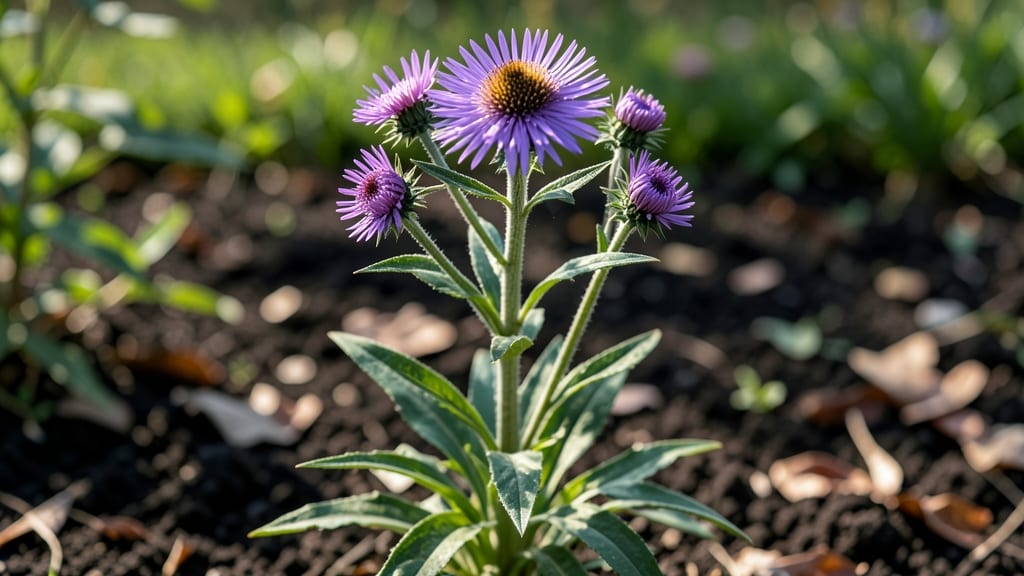
When planning your garden’s vertical layers, knowing the aster flower height can make or break your design—whether you’re aiming for a lush, wildflower meadow or a structured perennial border.
These hardy blooms range from dwarf varieties that barely peek over a patio to towering giants that reach 6 feet, creating drama in any landscape.
Aster heights aren’t just about aesthetics—they also dictate spacing, sunlight exposure, and even whether you’ll need staking. For example, New England asters can stretch 4-6 feet tall, while alpine asters stay under 1 foot, making them perfect for rock gardens.
Understanding these differences helps you avoid overcrowding or leaving gaps that look unfinished.
If you’re working with limited space, don’t worry—there are ways to control aster height without sacrificing blooms. Pruning, deadheading, and choosing the right variety can keep your garden tidy while maximizing impact.
Let’s break down how to pick, place, and prune asters to fit your vision, whether you’re a beginner or a seasoned gardener.
Ready to transform your garden? I’ll walk you through variety-specific heights, spacing tricks, and pro tips to ensure your asters thrive—no matter how big (or small) you want them to grow. Let’s get started!

Aster flower height by variety: dwarf to giant ranges explained
Asters are one of the most versatile late-season bloomers, offering heights from just 6 inches to towering 6-foot giants.
Choosing the right variety isn't just about aesthetics—it's about creating functional garden layers that support each other. Dwarf varieties work beautifully in borders, while tall asters make stunning focal points or privacy screens. Let's explore how to match aster heights to your garden design goals.
Understanding aster height ranges helps prevent overcrowding and ensures your garden maintains its visual harmony throughout the seasons. For example, a 6-inch alpine aster planted in front of a 4-foot New England aster creates perfect depth.
The key is knowing which varieties fit where—whether you're working with a small patio container or a sprawling perennial border.
For small-space gardens, alpine and dwarf varieties are game-changers. The 'Little Carlow' alpine aster, for example, stays under 12 inches but packs a punch with its vibrant purple blooms.
These tiny powerhouses thrive in rock gardens or container arrangements, adding color without overwhelming your space. Their early bloom time also extends your season before taller varieties take over.
When working with mid-height asters (2-3 feet), focus on creating textural contrast in your borders. The 'Monte Casino' China aster, with its feathery purple petals, pairs beautifully with shrubs like hydrangeas or grasses like Miscanthus.
Plant them in groups of 3-5 for maximum impact, and position them slightly behind shorter perennials to let their airy blooms cascade over neighboring plants.
Tall asters (4-6+ feet) deserve their own design considerations. These varieties, like 'Professor Anton Kerner', make dramatic focal points when planted in odd-numbered clusters (3, 5, or 7 plants). For privacy screens, space them 2-3 feet apart to allow room for their sprawling foliage.
In mixed borders, pair them with shorter perennials like black-eyed Susans or coneflowers to create a staggered height effect.
Don't overlook New England asters for their versatility in height ranges. The 'Purple Dome' stays compact at 1-2 feet, perfect for container gardening, while the 'Andenken an Alma Potschke' reaches 3-4 feet, ideal for back-of-border planting.
Their late-season blooms provide essential winter interest when many other perennials have faded.
If you're growing asters in containers, choose dwarf or semi-dwarf varieties to prevent toppling. A 14-inch pot can comfortably hold a 2-foot aster like 'Purple Dome', while larger containers (18+ inches) can support 3-foot varieties.
Always use well-draining potting mix and place containers where they'll receive at least 6 hours of sunlight daily.
For cut flower arrangements, taller varieties like 'Professor Anton Kerner' provide stunning vertical lines. Cut stems early in the morning when water content is highest, and place them immediately in cool water to extend vase life.
Mix tall asters with shorter filler flowers like statice or baby's breath to create balanced, professional-looking bouquets.
Remember that aster height can be influenced by growing conditions. Plants grown in rich, well-draining soil with adequate sunlight will reach their maximum potential height, while those in poor soil or shade may stay shorter.
Regular deadheading also encourages bushier growth rather than leggy stems, making even tall varieties more compact and manageable
How aster height affects garden design and spacing needs
Aster height isn’t just about how tall they grow—it’s about how they transform your garden’s structure. Taller varieties like New England asters (4-6 feet) create dramatic backdrops, while dwarf types (6-12 inches) add texture to borders.
The right placement ensures your garden feels intentional, not chaotic. For example, planting 6-foot asters behind shrubs hides their leggy stems while letting the blooms shine.
Spacing is where height becomes critical. Tall asters need 18-24 inches between plants to avoid competition for sunlight and nutrients. Crowding them leads to weak stems, flopping blooms, and fewer flowers.
Meanwhile, dwarf varieties can thrive in clusters just 6-12 inches apart, perfect for edging or rock gardens. Think of height as your garden’s vertical blueprint—every inch counts!
- 1. Back-of-Border Placement: Use 4-6 ft asters behind perennials like coneflowers or black-eyed Susans to create depth.
- 2. Focal Points: Plant tall asters (5+ ft) in groups of 3-5 near patios or walkways for a wow factor.
- 3. Companion Pairing: Mix dwarf asters (6-12 in) with sedum or heuchera for low-maintenance ground cover.
- 4. Staking Strategy: For 5+ ft varieties, insert bamboo stakes at planting to prevent flopping—don’t wait until they lean!
- 5. Leggy Growth Fix: Pinch back tall stems by 1/3 in early summer to encourage bushier growth and shorter stature.
Designing with asters also means thinking about companion plants. Tall asters pair beautifully with grasses like Miscanthus, which sway together in autumn breezes. For contrast, tuck shorter asters near ornamental grasses or ferns to soften their edges.
Avoid planting them next to aggressive spreaders like mint or creeping thyme—they’ll steal space and sunlight.
If leggy growth is an issue with your taller aster varieties, don’t panic! Prune stems back by half their height in early summer to promote fuller, shorter growth. This trick works especially well for China asters, which can grow 5-7 feet without intervention.
Just remember: the earlier you prune, the more compact your plants will stay. Think of it as gardening with a haircut—trim them young for the best results!
For smaller gardens or containers, choose dwarf or semi-dwarf varieties like ‘Little Carlow’ (12 inches) or ‘Wood’s Purple’ (18 inches). These thrive in pots and add color without clutter. Even in containers, give them 6-8 inches of spacing and a supportive cage if they top 2 feet.
With the right height choices, your garden can feel spacious and intentional, no matter its size.
Pro tip: sketch your garden layout first! Mark where tall asters will go (back of beds) and where shorter types will fill gaps. This simple step saves you from overcrowding mistakes later.
Your asters will thank you with healthier stems and more abundant blooms—because when spacing is right, everything else falls into place. 🌸