
Flowers
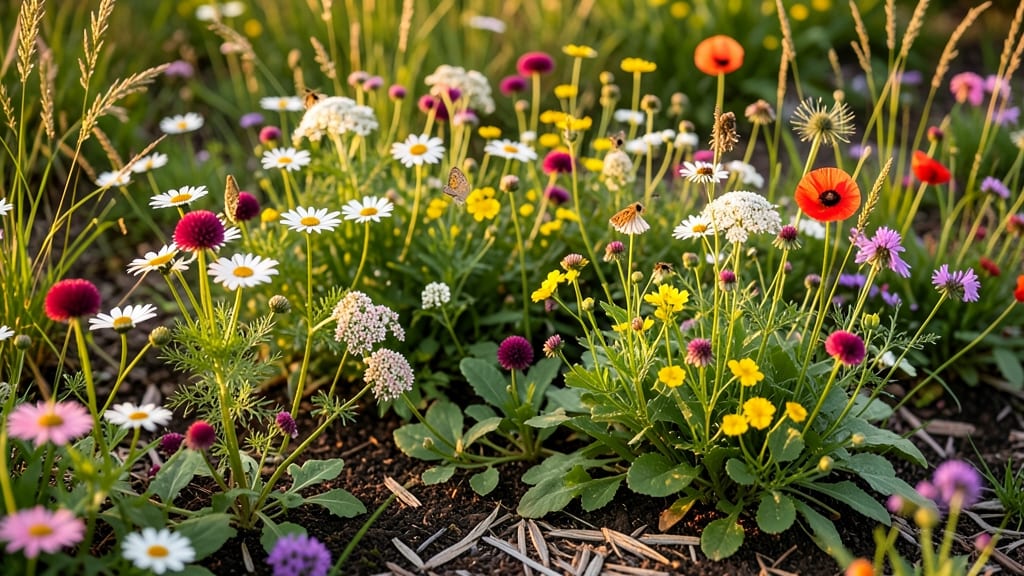
Imagine stepping into your backyard and being greeted by a vibrant, buzzing sea of wildflower meadow flowers—a living tapestry that supports pollinators while requiring almost no effort from you.
This isn't just a dream; it's a simple way to transform even a small patch of land into an eco-friendly oasis that blooms from spring to fall.
Many gardeners assume wildflower meadows are high-maintenance or look messy, but the truth is far from that. With the right mix of native wildflower meadow flowers, you can create a low-upkeep garden that thrives on sunlight and rain.
The best part? These meadows aren’t just beautiful—they’re lifelines for bees, butterflies, and hummingbirds, giving them the nectar they need to survive.
If you’ve ever wanted to reduce your lawn or add color without the fuss of traditional gardening, this is your sign to try it. I’ll walk you through selecting the perfect seed blends, designing your space, and keeping it lush with minimal work.
Let’s turn your yard into a pollinator paradise—one 🌼 at a time.
The key to success lies in understanding seasonal blooms, soil prep, and a few simple maintenance tricks. Whether you’re in USDA Zone 6a or beyond, these tips will help your wildflower meadow flourish year after year. Ready to ditch the mower and welcome nature’s helpers instead?
How to choose the best wildflower meadow mixes for year-round blooms
Creating a wildflower meadow that blooms continuously from spring to frost requires strategic planning. The key lies in selecting seasonal mixes that provide nectar sources for pollinators year-round. Start by understanding your local climate and soil conditions, as these dictate which wildflowers will thrive in your space.
For example, native species like black-eyed Susans and cone flowers adapt better to local ecosystems, while non-natives may offer extended bloom times but require more maintenance.
One of the biggest mistakes gardeners make is choosing single-season mixes. These often leave gaps in blooming cycles, leaving pollinators without food. Instead, opt for multi-season blends that include early spring bloomers like lupine, summer favorites such as bee balm, and fall/winter hardy varieties like goldenrod.
This ensures your meadow remains a pollinator magnet throughout the year.
Native wildflowers are the gold standard for meadow mixes because they support local ecosystems and require less water once established. For instance, milkweed attracts monarch butterflies, while purple coneflower provides nectar for bees from mid-summer to frost.
Non-native mixes can add variety but may require extra care to prevent invasive spread.
Consider your sunlight exposure—most wildflower meadows thrive in full sun (6+ hours daily), but some shade-tolerant species like wild columbine can add depth to partially shaded areas.
Always check seed packets for sun requirements to avoid disappointment. For example, a sun-loving mix might include coreopsis, while a shade mix could feature foxglove or aster varieties.
Here’s a comparison-table to help you evaluate different wildflower meadow mixes based on bloom seasons, pollinator benefits, and maintenance needs—so you can make an informed choice for your garden:
| Meadow Mix Type | Bloom Season | Pollinator Focus | Maintenance Level | Soil Preference |
|---|---|---|---|---|
| Native Perennial Mix | Spring to Frost | Bees, Butterflies, Hummingbirds | Low (Drought-Tolerant) | Adaptable (Clay to Sandy) |
| Annual Wildflower Mix | Spring to Fall | Bees, Butterflies | Moderate (Resows Yearly) | Well-Draining |
| Shade-Tolerant Mix | Summer to Early Fall | Bees, Butterflies | Low (Minimal Water) | Moist, Well-Draining |
| Drought-Tolerant Mix | Spring to Late Summer | Bees, Hummingbirds | Very Low (Self-Sustaining) | Sandy or Rocky |
| Butterfly Garden Mix | Spring to Frost | Monarchs, Swallowtails | Moderate (Host Plant Care) | Well-Draining |
When selecting seeds, prioritize pollinator-friendly species like milkweed (for monarchs), bee balm (for bees), and goldenrod (for late-season butterflies). These plants provide continuous nectar, ensuring pollinators have food from early spring through late fall.
For example, purple coneflower blooms from July to October, while lupine offers early spring color and nitrogen-fixing benefits for the soil.
Don’t overlook seed purity—mixes labeled "no fillers" or "100% wildflower" ensure you’re getting the plants you pay for. Avoid cheap blends with weed seeds, as they can crowd out your desired wildflowers. Always source seeds from reputable suppliers like American Meadows or Native American Seed for guaranteed quality.
Finally, layer your meadow by mixing tall grasses (like switchgrass) with medium-height flowers (such as black-eyed Susans) and low-growing ground covers (like creeping thyme). This creates a natural, textured look while supporting a diverse ecosystem.
For instance, tall grasses provide winter interest, while low-growing perennials fill gaps in early spring.
With the right mix, your wildflower meadow will become a living tapestry of color and life, supporting pollinators and adding beauty to your landscape—year after year.
Top 5 pollinator-friendly wildflower meadow seed blends for different climates
Creating a thriving wildflower meadow requires selecting the right seed blend for your climate and soil type. Whether you live in the dry Southwest or the humid Southeast, the perfect mix ensures year-round blooms that keep pollinators buzzing.
I’ve curated five top-performing blends that thrive in diverse conditions while supporting bees, butterflies, and hummingbirds.
Each blend balances sunlight needs, soil adaptability, and bloom timing to create a continuous nectar source. From drought-resistant varieties for sandy soils to shade-tolerant options for woodland edges, there’s a perfect match for every garden. Let’s explore the best choices for your region.
For arid climates like the Southwest, opt for the Desert Sun Mix. This blend features blanket flower and beebalm, both of which thrive in sandy soils with minimal water.
The mix includes native milkweed to support monarch butterflies, while purple coneflower adds late-summer color. This blend tolerates 6+ hours of sun and requires only occasional watering once established.
In the Pacific Northwest, where cooler temperatures and acidic soils prevail, the Evergreen Meadow Mix excels. Packed with yarrow, columbine, and lupine, this blend handles partial shade and clay-heavy soils while providing early-spring blooms.
The inclusion of blue flax ensures long-lasting color, and the mix remains vibrant even in USDA Zone 7 and colder.
For the Southeast’s humid climate, the Southern Charm Mix is ideal. This blend combines black-eyed Susan, coreopsis, and salvia to create a drought-tolerant meadow that thrives in loamy soils.
The mix includes native wild bergamot, a favorite of hummingbirds, and partridge pea, which adds golden accents. This blend also handles occasional flooding, making it perfect for low-lying areas.
Midwestern gardens benefit from the Prairie Paradise Mix, featuring coneflower, butterfly weed, and goldenrod. This blend is designed for full sun and well-draining soils, though it adapts well to slightly clay-heavy ground.
The mix ensures continuous blooms from spring to fall, with milkweed and asters providing late-season nectar for migrating pollinators.
Finally, for shady or woodland gardens, the Shade-Loving Meadow Mix delivers. Featuring foxglove, bleeding heart, and wild ginger, this blend thrives in 3–6 hours of sun and moist, rich soils.
While it requires slightly more water than sun-loving mixes, it offers stunning foliage and early blooms, making it perfect for understory plantings or woodland edges.