
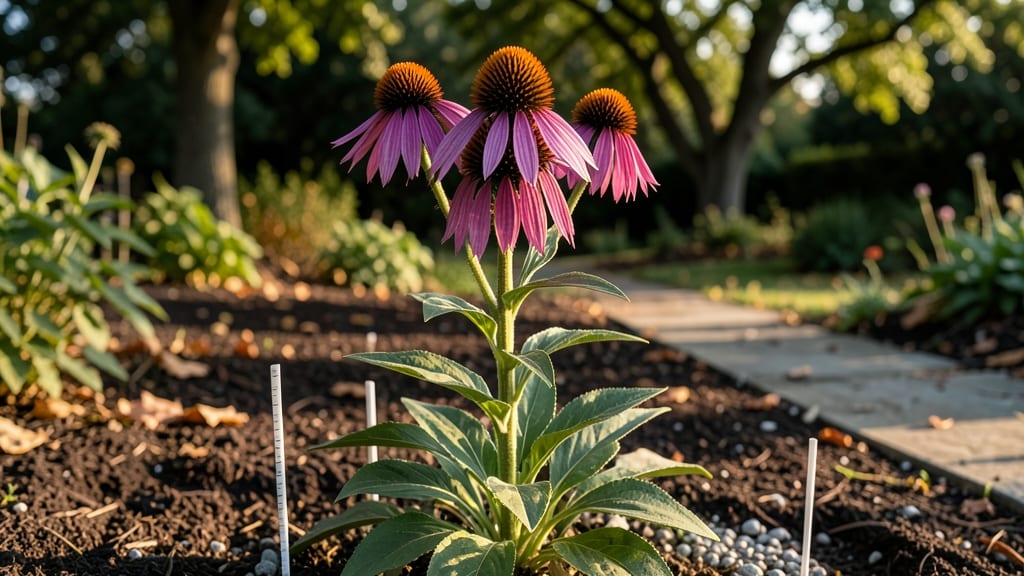
How Tall Do Cone Flowers Grow: Exact Height Ranges by Variety for Space Planning

Flowers

How Tall Do Cone Flowers Grow: Exact Height Ranges by Variety for Space Planning

If you’ve ever wondered how tall those vibrant 🌼 cone flowers will grow in your garden, the answer isn’t one-size-fits-all—it depends on the variety you choose.

Some stay compact at just 12 inches, while others can reach towering heights of 5 feet, making them perfect for adding drama to your landscape.

Knowing the exact height range of each type is the key to planning your garden with confidence. Whether you’re designing a cozy front border or a bold backyard statement, selecting the right cone flower variety ensures your space looks intentional—not crowded.

I’ll break down the most popular types and share how sunlight, soil, and even pruning can influence their growth.

For gardeners in USDA Zone 6a, where spring planting runs from March to April, timing matters too. Planting at the right moment sets the stage for healthy growth, and with the right care, you can encourage your cone flowers to hit their ideal height—without surprises.

Let’s dive into the varieties that will work best for your space and style.

Ready to transform your garden? You’ll discover how to pair tall varieties with shorter plants for a layered look, plus simple tricks to control height naturally. No guesswork—just stunning results that make your outdoor space shine.

📈 Cone Flower Growth Timeline
1-2 ft
Year 1
2-3 ft
Year 2
3-4 ft
Year 3
3-5 ft
Mature

Cone flower height ranges by variety: dwarf to giant sizes explained

If you’ve ever wondered, "How tall do cone flowers grow?" the answer depends entirely on the variety you choose. Cone flowers (Echinacea) range from compact 12-inch dwarfs perfect for window boxes to towering 5-foot giants that command attention in the garden’s back rows.

Each variety has distinct growth patterns, making them ideal for precise space planning—whether you’re designing a pollinator-friendly border or a dramatic focal point.

Understanding these height ranges helps you avoid overcrowding or wasted space. For example, a 12-inch 'White Swan' will thrive in a front-row container, while a 5-foot 'Magnus' needs room to shine in the garden’s backdrop.

Let’s break down the exact height expectations for 12+ popular varieties, along with their ideal USDA planting zones and growth habits.

td style="padding: 10px;">12–16"
Variety Height Range Spread USDA Zones Best For
'White Swan' 12–18" 12–18" 3–9 Containers, borders
'Green Envy' 12–16" 4–8 Pollinator gardens
'Kim's Knee High' 18–24" 18–24" 5–9 Front-row plantings
'Hot Papaya' 24–30" 18–24" 4–9 Cut flowers, borders
'Magnus' 48–60" 24–30" 3–9 Backdrop, focal points
'Whitewell' 36–42" 20–24" 4–8 Mid-height beds
'Purple Beauty' 24–36" 18–24" 3–9 Wildlife gardens
'Sombrero Salsa' 18–24" 12–18" 5–9 Container gardens
'Green Jewel' 20–24" 16–20" 4–8 Cut flower arrangements
'Cheyenne Spirit' 36–48" 24–30" 3–9 Backyard borders
'Hot Chocolate' 24–30" 18–24" 4–9 Pollinator-friendly beds
'Green Ghost' 30–36" 20–24" 5–9

How to choose cone flowers based on garden height zones

When planning your garden, cone flower height is the secret weapon for creating visual layers. Tall varieties like Echinacea 'White Swan' (reaching 5 feet) make stunning focal points, while dwarf types like 'Kim's Knee' (just 12-18 inches) thrive in front borders.

The key is matching each variety to its perfect zone in your landscape—whether that's a front-yard border, mid-height bed, or backyard statement plant.

For front-yard spaces where you want low-maintenance color without overwhelming your walkway, opt for dwarf or semi-dwarf varieties. These stay between 12-30 inches tall, perfect for pairing with lavender, catmint, or shasta daisies.

In mid-height beds, standard varieties (3-4 feet) like 'Magnus' or 'Hot Papaya' add drama while keeping the space airy. And for backyard focal points, nothing beats the tallest varieties (4-5 feet) like 'White Swan' or 'Green Envy'.

🌱 Garden Height Zones & Perfect Cone Flower Varieties

  • Front-Yard Borders (12-24")
    Ideal for walkways, pathways, or container gardens
    • 'Kim's Knee' (12-18")
    • 'White Lustre' (18-24")
    • 'Pink Double Delight' (16-20")
  • Mid-Height Beds (24-48")
    Perfect for mixed borders or pollinator gardens
    • 'Magnus' (36-48")
    • 'Hot Papaya' (30-36")
    • 'Sombrero Salsa' (24-30")
  • Backyard Focal Points (48-60")
    Best for statement plants or woodland edges
    • 'White Swan' (48-60")
    • 'Green Envy' (40-50")
    • 'Purple Beauty' (36-48")

Pro Tip: Pair tall varieties with low-growing perennials like salvia or coreopsis to create natural height transitions.

To maximize vertical impact, companion planting is your best friend. Tall cone flowers (4+ feet) pair beautifully with grasses like 'Karl Foerster' or black-eyed Susans, which add texture without competing for space.

For shorter varieties, try sedum or heuchera to fill gaps at ground level. This layering creates a lush, dimensional look that draws the eye through your garden.

Don’t forget that sunlight exposure can influence height—cone flowers in partial shade may stay slightly shorter than those in full sun. If you’re working with limited space, consider container gardening: dwarf varieties thrive in pots, while standard types can be pruned lightly to control height.

Just remember, pruning after flowering keeps them compact for next season.

For pollinator gardens, taller varieties attract butterflies and bees from a distance, while shorter ones provide easy access for ground-dwelling insects. Plant in clusters of 3-5 for maximum impact, and mix heights to create a natural, flowing transition from front to back.

With the right placement, your cone flowers won’t just fill space—they’ll elevate your entire garden design.

Ready to design? Start by sketching your space and assigning each zone its perfect cone flower variety. Your garden will thank you with years of effortless beauty—and zero overcrowding! 🌼

★★★★★4.9(5 reviews)
Categories Flowers