
Flowers
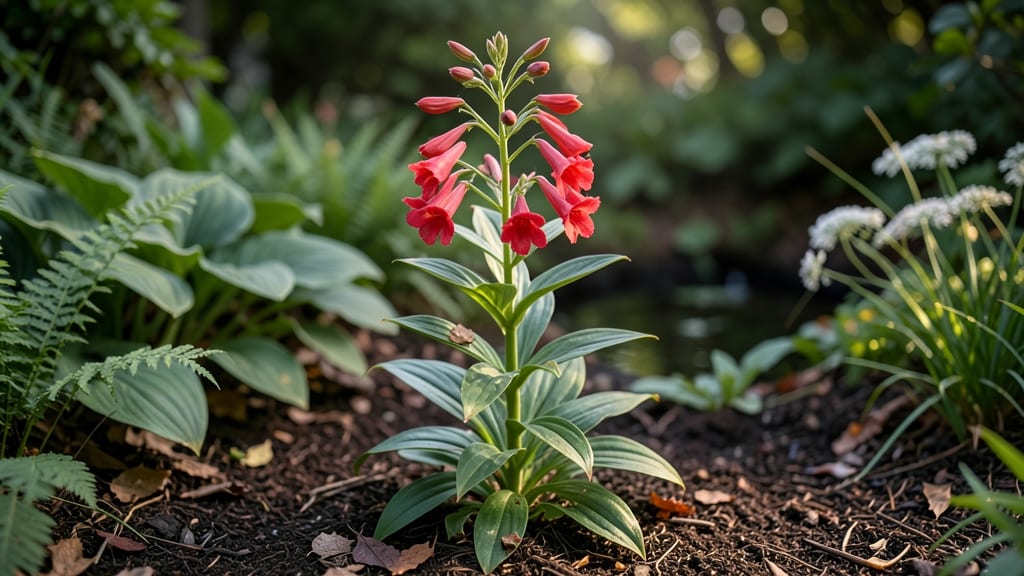
Wondering how tall does the cardinal flower grow before it steals the show in your garden? This striking perennial can reach anywhere from 2 to 5 feet tall, depending on variety and care—but there’s more to the story than just height.
If you’re planning your garden layout, knowing the cardinal flower’s mature size helps you decide whether it belongs as a bold backdrop or a mid-border star.
Some varieties stay compact, while others shoot up like a hummingbird magnet, so let’s break down what affects its growth and how to encourage the perfect height for your space.
Sunlight, soil moisture, and even pruning play a huge role in whether your cardinal flower stretches skyward or stays bushier. I’ll share the key factors that influence its size and how to optimize them for the most dramatic (or controlled) display.
Ready to turn your garden into a vibrant haven? Let’s dive into the heights, habits, and care tips that will help your cardinal flower thrive—no matter where you plant it.


Cardinal flower height by variety: from compact to towering
If you're planning a garden with cardinal flower (Lobelia cardinalis), knowing its height range is crucial for placement. This striking perennial can range from compact varieties under 2 feet to towering giants reaching 5 feet or more.
Your choice of variety will determine whether it becomes a front-of-border star or a backdrop showstopper. Let's explore the height spectrum of cardinal flowers so you can pick the perfect fit for your space.
The most common cardinal flower varieties vary dramatically in height, often influenced by their natural habitat. For example, wild types like Lobelia siphilitica (great blue lobelia) can stretch toward 4–5 feet, while cultivated dwarf varieties like 'Queen Victoria' stay under 2 feet.
Understanding these differences helps you avoid overcrowding or underutilizing your garden beds.
Here’s a quick visual comparison of cardinal flower heights by variety to help you visualize their mature sizes in your garden:
| Variety | Mature Height | Growth Habit | Best For |
|---|---|---|---|
| Lobelia cardinalis (Standard) | 3–5 ft | Upright, clumping | Backdrop, borders, wet areas |
| 'Queen Victoria' (Dwarf) | 1.5–2 ft | Compact, bushy | Containers, front borders |
| Lobelia siphilitica (Great Blue) | 4–5 ft | Tall, sprawling | Wild gardens, rain gardens |
| 'Crystal Palace' (Semi-Dwarf) | 2–3 ft | Medium, upright | Mixed borders, pollinator gardens |
| Lobelia fulgens (Scarlet Cardinal) | 2–4 ft | Clumping, slightly sprawling | Tropical gardens, shade gardens |
For gardeners with limited space, dwarf varieties like 'Queen Victoria' are ideal. These stay under 2 feet and thrive in containers or front borders, making them perfect for small gardens or patios.
Their compact growth habit also reduces the need for staking, though they may still benefit from occasional support in windy areas.
On the opposite end, tall varieties like Lobelia siphilitica reach 4–5 feet and excel in wild gardens or rain gardens. These varieties love moisture and can handle part shade to full sun, making them versatile for various garden styles.
If you're aiming for a dramatic backdrop, these towering beauties will draw the eye and attract hummingbirds and bees in droves.
If you're unsure which variety to choose, consider your garden's light conditions. Most cardinal flowers prefer partial shade, but taller varieties like Lobelia cardinalis can tolerate full sun in cooler climates. For hotter regions, opt for shade-tolerant dwarf varieties to prevent stress and ensure vibrant blooms.
Pro tip: Use staking or trellises for taller varieties to prevent flopping, especially in windy locations. A simple bamboo stake or pea trellis can keep stems upright and make harvesting flowers easier. This small investment pays off with longer-lasting blooms and a neater appearance.
Remember that cardinal flowers grow best in moist, well-drained soil. Overwatering can lead to root rot, while underwatering stunts growth. Aim for consistently damp soil without soggy conditions to encourage optimal height and flowering. Mulching around the base helps retain moisture and keeps roots cool.
Whether you choose a compact 1.5-foot dwarf or a 5-foot towering giant, cardinal flowers bring vibrant color and pollinator magic to any garden. Start with the variety that fits your space, then adjust care based on its mature height for the best results.
Factors that influence cardinal flower height and how to optimize them
The height of cardinal flower (Lobelia cardinalis) isn't set in stone—it varies based on growing conditions. While mature plants typically reach 3–5 feet tall, you can influence their growth to create taller spires or bushier clumps.
Understanding these factors helps you shape your garden's design while keeping your cardinal flowers thriving.
One of the biggest influences on height is sunlight exposure. Cardinal flowers thrive in partial shade (4–6 hours of sun daily), but too much direct sunlight can stunt their growth.
In shadier spots, they may grow taller but produce fewer blooms. If you want taller stems, place them where they receive morning sun and afternoon shade.
Soil moisture also plays a critical role. Cardinal flowers love consistently moist, well-draining soil. If the soil dries out, their growth slows, and stems may become leggy. To encourage height, mulch around the base with 2–3 inches of organic mulch to retain moisture and prevent stress.
🌱 Cardinal Flower Height at a Glance
| Factor | Optimal Condition | Height Impact |
| Sunlight | Partial shade (4–6 hrs) | 3–5 ft tall |
| Soil Moisture | Consistently moist | Taller, sturdier stems |
| Pruning | Deadhead spent blooms | Encourages bushier growth |
Pruning is another tool to control height and shape. If you want taller, more vertical growth, avoid heavy pruning. However, to encourage bushier plants with more blooms, pinch back the tips of young stems or deadhead spent flowers regularly. This redirects energy to side shoots, creating a fuller plant.
For container gardening, cardinal flowers may grow shorter (2–3 feet) due to root restrictions. Choose larger pots (at least 12–18 inches wide) and keep the soil moist. In containers, they may also benefit from a light fertilizer (5-10-10) every 4–6 weeks during the growing season to support height.
Finally, consider your climate zone. In cooler regions (USDA Zones 3–7), cardinal flowers may grow taller and more vigorously. In hotter zones (8–9), they may stay shorter unless provided with afternoon shade. Monitor their growth and adjust care accordingly to maximize height and blooms.
With the right balance of sunlight, soil moisture, and pruning, you can coax your cardinal flowers to reach their full potential—whether you're aiming for dramatic vertical accents or lush, bushy displays. Experiment with these factors to find what works best for your garden! 🌿