
Neem Oil
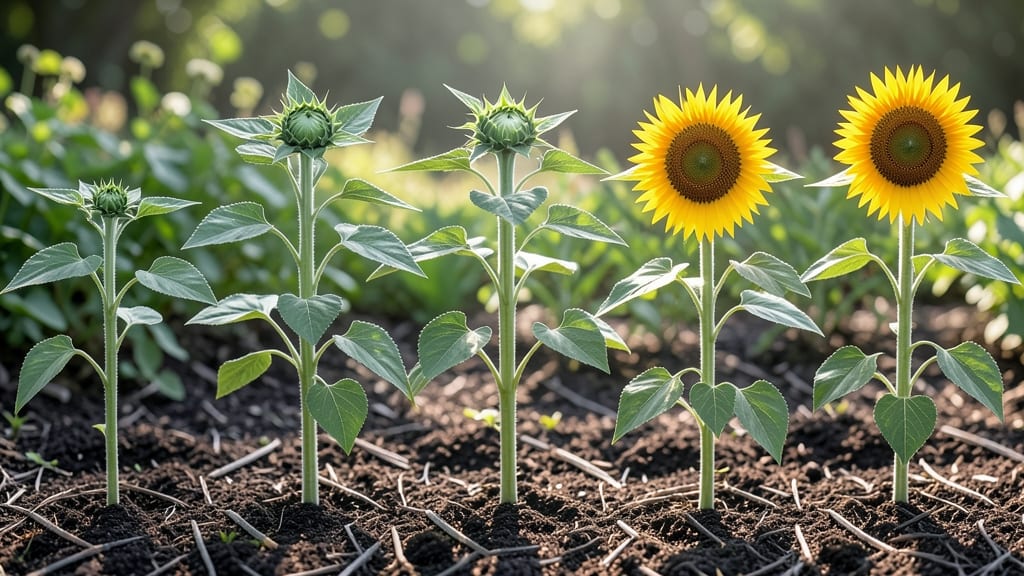
Tracking the Black Oil Sunflower 🌻 growth stages isn’t just about patience—it’s about knowing exactly when to expect those towering stalks and vibrant blooms.
These sunflowers don’t just grow; they skyrocket from tiny seeds to 10-foot giants in just a few months, and each stage demands different care to keep them thriving.
From the first green shoots pushing through the soil to the moment the flower head turns golden, understanding these milestones helps you troubleshoot delays before they become problems. Whether you’re a seasoned gardener or a first-timer, recognizing when your plants need more water, sunlight, or nutrients makes all the difference.
In this guide, I’ll walk you through every phase—from germination to harvest—so you can anticipate growth spurts, avoid common pitfalls, and enjoy a bountiful crop. Let’s dive into the exact timeline and what your sunflowers need at each step.
Ready to turn your garden into a sunflower sanctuary? The key is knowing when to intervene—and when to let nature take its course. Here’s how to do it right.


Black oil sunflower growth stages by height: week-by-week milestones
Black oil sunflowers (Helianthus annuus) are fast growers, shooting up from tiny seeds to towering 6-12 foot stalks in just 80-90 days. Tracking their week-by-week height progression helps you adjust care, spot delays early, and ensure strong stems for those iconic black-seeded sunflower heads.
Varieties like 'Morden' and 'Pioneer 6544' follow similar growth patterns, but their rapid vertical growth makes timing everything.
Understanding these milestones also reveals when to thin seedlings, stake tall varieties, and protect against pests like sunflower moths. For example, the 4-6 week mark is critical for stem strength—neglecting support now can lead to lodging (falling over) later.
Let’s break down each growth phase by height and key development tasks.
| Stage | Height Range | Key Milestones | Critical Care Tasks |
|---|---|---|---|
| Germination (Week 1) | 0–0.5 inches | Seedling emerges, first cotyledon leaves appear | Keep soil moist, avoid overwatering |
| Seedling (Weeks 2–3) | 0.5–3 inches | True leaf development begins, stem thickens | Thin to 6–12 inches apart, provide stake support if needed |
| Vegetative (Weeks 4–6) | 3–6 feet | Rapid stem elongation, leaf expansion, and root deepening | Apply balanced fertilizer, monitor for aphids |
| Pre-Bloom (Weeks 7–8) | 6–8 feet | Bud formation, stem hardening, and flower head development | Reduce watering, secure stakes to prevent lodging |
| Bloom (Weeks 9–10) | 8–12 feet | Full flowering, pollination, and seed development | Harvest seed heads when back turns brown |
At week 1, your black oil sunflower seeds will sprout cotyledons (those first tiny leaves) within 5–10 days if soil stays consistently warm (60–70°F). This stage is delicate—overwatering can cause rot, while drought stress may stunt growth.
Use a moisture meter or stick your finger 1 inch deep to check soil dampness. If the soil feels dry, water gently until moisture reaches 3–4 inches down.
By week 3, your seedlings should reach 3 inches tall with 4–6 true leaves. This is the perfect time to thin them if crowded—leave the strongest, straightest stems spaced 6–12 inches apart. Weak seedlings can be composted or transplanted.
If growing in containers, ensure pots are at least 12 inches deep to accommodate root growth. Varieties like 'Morden' may bolt (flower prematurely) if stressed, so prioritize even moisture and full sun exposure.
Between weeks 4 and 6, expect a growth spurt—your sunflowers will shoot up 1–2 feet per week under ideal conditions. This phase demands sturdy support: drive bamboo stakes 12–18 inches deep next to each plant and tie stems with soft plant ties every 2–3 weeks.
Neglecting this can lead to lodging, especially in windy conditions or if soil is waterlogged. During this time, side-dress with compost or a balanced 10-10-10 fertilizer to fuel rapid stem and leaf growth.
The 7–8 week mark signals pre-bloom, where you’ll notice buds forming at the top of the stem. This is when stem strength becomes critical—tall varieties (like 'Pioneer 6544') may need additional staking or even cage supports.
Reduce watering slightly to harden off the stems, but avoid letting soil dry out completely. Watch for sunflower beetles or caterpillars, which can chew leaves and weaken the plant before flowering.
Finally, weeks 9–10 bring the showstopper: full bloom and seed development. Your sunflowers will now reach their mature height (8–12 feet) and produce those iconic black oil seeds. Harvest seed heads when the back turns brown and papery—shake a head to hear seeds rattle inside.
For longer storage, dry heads in a well-ventilated area for 2–3 weeks before shelling. If you’re growing for birdseed, leave a few heads on the stalk for wildlife!
Pro tip: Photograph your sunflowers weekly to track growth patterns. Comparing your plants to this height timeline helps you adjust care in real-time. For example, if your 6-week-old sunflower is only 3 feet tall instead of 6, check for nutrient deficiencies (yellow leaves) or pest damage (chewed leaves).
With the right support and timing, you’ll soon be harvesting bountiful black oil seeds—perfect for bird feeders or culinary uses!
Key blooming timeline: when and how to expect flowers (with troubleshooting tips)
Your black oil sunflowers 🌻 typically enter their flowering stage between 80–90 days after germination, but this window can shift based on variety, climate, and care.
Understanding this timeline helps you predict when those iconic golden blooms will appear—and what to do if they don’t. For example, the 'Morden' variety often flowers slightly earlier (around 75 days), while 'Pioneer 6544' may take closer to 90 days.
Flower buds form as your plants reach 4–6 feet tall, signaling they’re ready to shift energy from leaf production to reproductive growth. During this phase, watch for tight green buds at the top of the stem—these will eventually unfurl into those showstopping 3–4 inch-wide blooms.
If buds appear but fail to open, it’s often a sign of nutrient imbalance or stress.
- Days 50–60: Bud initiation begins—look for small green bumps at stem tips. Ensure full sun (6+ hours daily) to prevent stunted growth.
- Days 65–75: Bud elongation starts—buds grow rapidly. Reduce nitrogen (shift to phosphorus-rich fertilizer) to encourage flowering.
- Days 80–90: Full bloom occurs—petals unfurl morning to afternoon. Support tall stems with stakes to prevent snapping.
- Days 90–100: Seed maturation begins—flower head wilts and dries. Harvest seeds when back turns brown and papery.
If your sunflowers skip flowering entirely, check for these common culprits: overwatering (which causes root rot), low phosphorus (critical for blooms), or insufficient sunlight (even partial shade delays flowering).
For instance, I once had a batch of sunflowers that refused to bloom—turns out, they were competing with nearby tomato plants for nutrients. A balanced 10-10-10 fertilizer applied at bud initiation revived their growth.
For healthy blooms, prioritize morning watering (to avoid fungal issues) and prune lower leaves to improve airflow. If buds form but fall off, it’s often due to temperature fluctuations—sunflowers thrive in 70–85°F conditions.
In my garden, I’ve found that mulching with straw helps maintain stable soil temps and reduces stress during bud formation.
Once your sunflowers bloom, enjoy the show—but don’t stop there! The post-flowering stage is just as critical for seed development. Let the flower heads fully wilt and dry on the stem before harvesting seeds.
This process can take 4–6 weeks after blooming, depending on humidity levels. If you’re in a humid climate, consider moving dried heads indoors to speed up the process.
By tracking these milestones, you’ll not only predict when your sunflowers will burst into color but also catch potential issues early. Whether you’re growing them for seeds, cut flowers, or bird feed, knowing the exact blooming timeline ensures a successful harvest every time. Happy gardening! 🌻