
Blooming
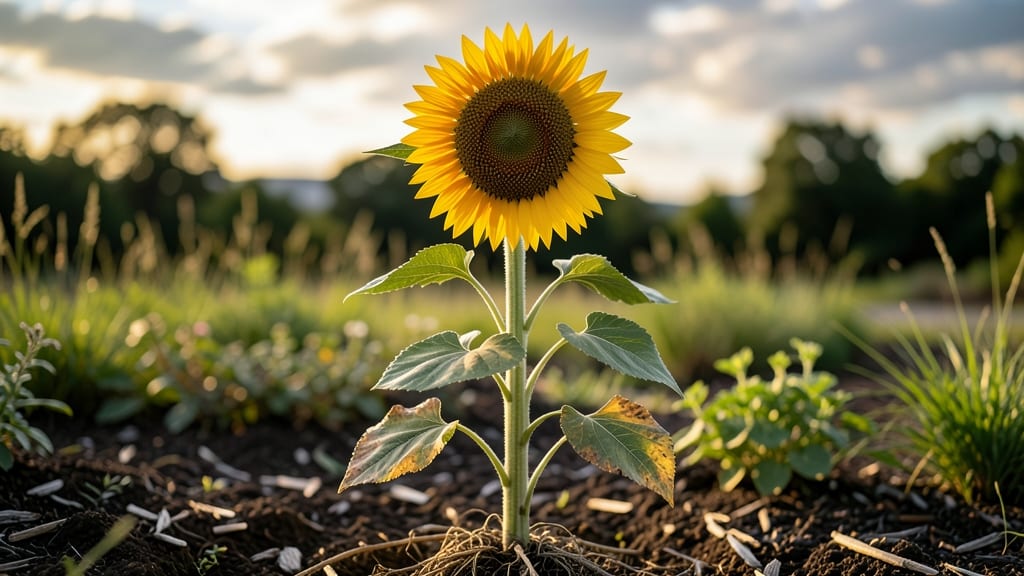
Sunflowers bloom in Illinois between July and September, but getting that golden 🌻 display depends on when you plant—and where you live in the state.
If you've ever watched a sunflower shoot up from a tiny seed to tower over your garden, you know timing is everything for those towering stems.
Illinois' USDA zones 5-7 mean your last frost date could be anywhere from mid-April to early May, which directly impacts when those cheerful blooms will appear. Plant too early, and you might get false starts from cool soil; too late, and summer's heat could rush the process.
The key is matching your planting window to your specific zone.
Most sunflower varieties need 70-120 days to reach full bloom, so knowing your exact frost dates helps predict when to expect those 10-foot-tall beauties. I'll show you how to calculate your personal blooming timeline based on local conditions—and how to adjust for Illinois' unpredictable summer weather.
Whether you're growing sunflowers for their seeds, bouquets, or just the joy of watching them grow, understanding this schedule will help you plan for a garden full of golden sunshine. Let's break down exactly when to expect those vibrant blooms in your backyard.
Sunflower blooming timeline in Illinois by USDA Zone (2023-2024)
Sunflowers thrive in Illinois’ diverse climate, but their blooming timeline varies dramatically across the state’s 6 USDA zones (5a-6b). In Zone 5a, the shortest growing season means earlier planting and shorter bloom windows, while Zone 6b gardeners enjoy extended fall displays.
Understanding these differences ensures you’ll catch those golden blooms at their peak—typically between July and September—depending on your location and variety.
Illinois’ last frost dates range from mid-April in Zone 5a to early April in Zone 6b, creating a 2-3 week window for planting. For maximum height and yield, aim to plant 4-6 weeks before your last frost.
Transplanting young seedlings is possible but riskier due to sunflowers’ delicate root systems. Direct sowing after soil reaches 60°F yields stronger stems and earlier blooms.
In Zone 5a, where frosts linger until mid-April, gardeners should prioritize early-maturing varieties like 'Teddy Bear' or 'Moulin Rouge' to ensure blooms before first fall frosts in mid-October. These dwarf varieties (1-4 feet) bloom in just 50-60 days, making them ideal for short seasons.
For Zone 6b, where summers stretch longer, you can push planting into late May for fall blooms, especially with heat-tolerant varieties like 'Russian Giant'.
Sunflowers in Illinois typically take 70-120 days to bloom from seed, but this varies by variety. Dwarf varieties like 'Sunspot' bloom in 50-60 days, while giant varieties like 'Mammoth' take 100-120 days.
To maximize your bloom window, consider succession planting: sow a second batch in early June for late-summer flowers. This works especially well in Zones 6a and 6b, where the growing season extends into October.
Soil temperature plays a critical role in sunflower germination. Seeds won’t sprout until soil reaches 60°F, which in Illinois typically happens by mid-April in Zone 6b but waits until late April in Zone 5a.
Use a soil thermometer to confirm readiness—planting too early can lead to rot or poor germination. If your soil is still cold, opt for container growing near a sunny wall to warm the roots faster.
Illinois’ unpredictable summer weather can delay blooming, especially if prolonged rain or cool temperatures slow growth. To combat this, choose drought-tolerant varieties like 'ProCut' or 'Autumn Beauty', which handle inconsistent moisture better than others.
Mulching with straw or wood chips helps maintain even soil temperatures and conserves moisture, which is crucial during July and August when sunflowers are most vulnerable to heat stress.
For transplanting, which is less common but possible, start seeds indoors 4-6 weeks before your last frost. Use biodegradable pots to minimize root disturbance when moving seedlings outdoors. Harden them off for 7-10 days before transplanting, and choose overcast days to reduce transplant shock.
This method is best for Zone 5a gardeners who want a head start on the season.
Watch for false starts—sunflowers may sprout early in Zone 6b if planted in March, only to wilt during late frosts. If
How to extend sunflower blooming season in Illinois (pro tips)
Illinois’ unpredictable summer heat and early fall frosts can cut your sunflower season short—but not if you plan ahead. With the right varieties and planting strategies, you can enjoy sunflowers blooming well into October.
The key is balancing succession planting with heat tolerance to combat Illinois’ 90°F+ spikes and sudden temperature drops.
Start by choosing late-blooming varieties like ‘Moulin Rouge’ (deep red petals) or ‘Russian Giant’ (towering 12+ feet). These heat-tolerant types thrive in USDA zones 5-7 and push blooms into September-October when planted at the right time.
Pair them with succession planting every 2-3 weeks from mid-June to early July for a staggered display.
Soil prep is just as critical. Illinois’ clay-heavy soils drain poorly, which can stunt growth. Amend your beds with compost or aged manure to improve aeration and moisture retention. A 1-inch layer of mulch will also help regulate soil temperature and reduce water loss during summer droughts—a common issue in Zone 6a.
Choose Late-Blooming Varieties
Opt for ‘Moulin Rouge’ or ‘Russian Giant’—both bloom 4-6 weeks later than standard types. Plant mid-June to early July for fall color.
Succession Plant Every 3 Weeks
Sow new seeds every 21 days from June to August. This ensures continuous blooms through October, even if early plants bolt.
Amend Soil for Heat Retention
Mix in compost or perlite to improve drainage in clay soils. Add mulch to keep roots 5-10°F cooler during heatwaves.
Water Deeply in Morning
Give plants 1-2 inches of water weekly, focusing on the root zone. Avoid evening watering to prevent fungal diseases like powdery mildew.
Don’t forget to stake tall varieties like ‘Russian Giant’ to prevent wind damage—common in Illinois’ unpredictable autumn storms. With these tips, your sunflowers will thrive well past Labor Day, giving you golden blooms when most gardens have faded. 🌻