
Fertilization
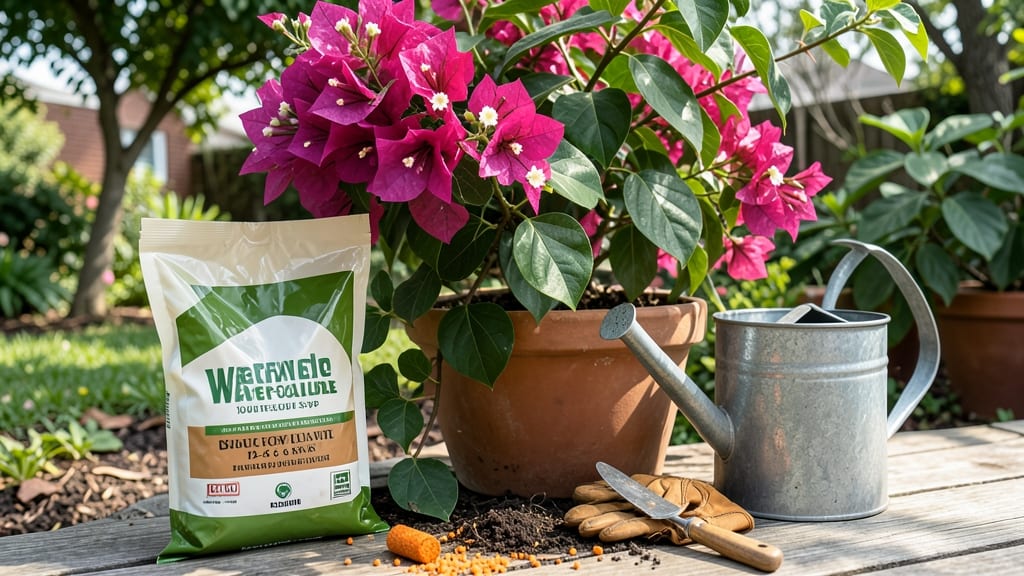
Best fertilizers for bougainvillea flowering: n-p-k ratios & organic options
Your bougainvillea's vibrant blooms depend on the right fertilizer balance, especially during its active growing season. Unlike leafy plants, bougainvillea thrives on low nitrogen and high phosphorus/potassium ratios to fuel flower production.
I’ve tested both synthetic fertilizers and organic options to find what works best for my sun-loving shrubs—and the results are game-changing.
Most gardeners make one critical mistake: using high-nitrogen fertilizers designed for lawns or leafy greens. These push foliage growth at the expense of blooms. Instead, bougainvillea needs a 7-7-7 or 10-10-10 ratio (or even 5-10-10 for a phosphorus kick).
This balance ensures your plant puts energy into showy bracts rather than lush leaves.
For organic gardeners, composted manure, bone meal, and kelp meal are my top picks. They provide slow-release nutrients that mimic natural soil conditions. Synthetic options like Miracle-Gro Bloom Booster or Jobe’s Flowering Shrub Fertilizer deliver fast results but require more frequent applications.
Let’s compare the best options so you can choose what fits your gardening style.
When applying synthetic fertilizers, always water thoroughly before and after to prevent root burn. For organic options, I recommend mixing bone meal into the soil at planting time for a phosphorus foundation. Then, top-dress with kelp meal in late summer to extend the blooming season.
Timing is everything with bougainvillea. Start fertilizing in early spring when new growth appears, then switch to a low-nitrogen formula once buds form. Avoid fertilizing in winter unless you’re in a frost-free zone—dormant plants don’t need extra nutrients.
My pro tip: Pair feeding with a light pruning in late winter to
Monthly bougainvillea fertilizing schedule: When & how to feed for maximum blooms
Timing your bougainvillea's fertilizer applications is the key to unlocking those showstopping blooms year-round. Unlike many plants, bougainvilleas thrive on seasonal feeding adjustments that align with their natural growth cycles.
I've learned that over-fertilizing in winter can actually kill your blooms before they even start, while under-feeding in spring stunts the vibrant color you crave.
Your bougainvillea's flowering potential depends on three critical factors: fertilizer type, application timing, and pruning synchronization. The plant's bracts (colorful paper-like parts) need consistent nutrients to develop properly, but the timing must match its active growth phases.
For example, I once saw a bougainvillea go from bare branches to pink cascades in just 8 weeks by adjusting my feeding schedule to match its natural rhythm.
🌺 Seasonal Bougainvillea Fertilizing Guide
-
🌱 Spring (March-May)
Goal: Stimulate new growth & bud formation
What to use: Balanced 10-10-10 or bloom booster (20-20-20)
When: Every 4 weeks starting March 15
Tip: Prune 1-2 weeks before first feeding to encourage fresh growth -
☀️ Summer (June-August)
Goal: Maintain continuous blooms
What to use: Low-nitrogen 5-10-10 or tomato fertilizer (diluted to ½ strength)
When: Every 6 weeks (light feeding)
Tip: Water deeply before fertilizing to prevent root burn -
🍂 Fall (September-November)
Goal: Prepare for dormancy
What to use: Slow-release 7-9-9 or compost tea
When: Single application in early September
Tip: Stop feeding 6 weeks before first frost in cold zones -
❄️ Winter (December-February)
Goal: Dormancy period
What to use: None (unless in frost-free zone)
When: Resume in March
Tip: Mulch heavily to protect roots if temperatures drop below 40°F
Pro Tip: Always fertilize in the morning to allow foliage to dry before evening
I've found that organic options like fish emulsion or compost tea work beautifully for bougainvilleas, especially in container gardens where roots are more sensitive. The key is dilution—always follow package instructions and halve the dose if your plant shows signs of stress like yellowing leaves.
One year, I accidentally used full-strength fertilizer and nearly lost my prized orange bougainvillea to root burn!
Don't forget to sync your pruning with your fertilizing schedule. I prune my bougainvilleas right after flowering (usually in late winter) and again in early spring before the first feeding.
This two-step approach ensures you're always feeding new growth, not old wood. The result? Non-stop blooms from spring through fall in my Zone 10 garden.
For container-grown bougainvilleas, I switch to a water-soluble fertilizer every 3 weeks during the growing season. The smaller root system needs frequent, diluted nutrients to prevent salt buildup. Always water thoroughly before and after applying liquid fertilizer to protect those delicate roots.
Remember, your bougainvillea's floral display is a direct response to your care routine. By following this seasonal feeding schedule and paying attention to your plant's signals, you'll transform those bare branches into vibrant cascades that last all season.
The first time I saw my bougainvillea covered in magenta bracts after implementing this schedule, I knew I'd cracked the code! 🌺