
Flowers
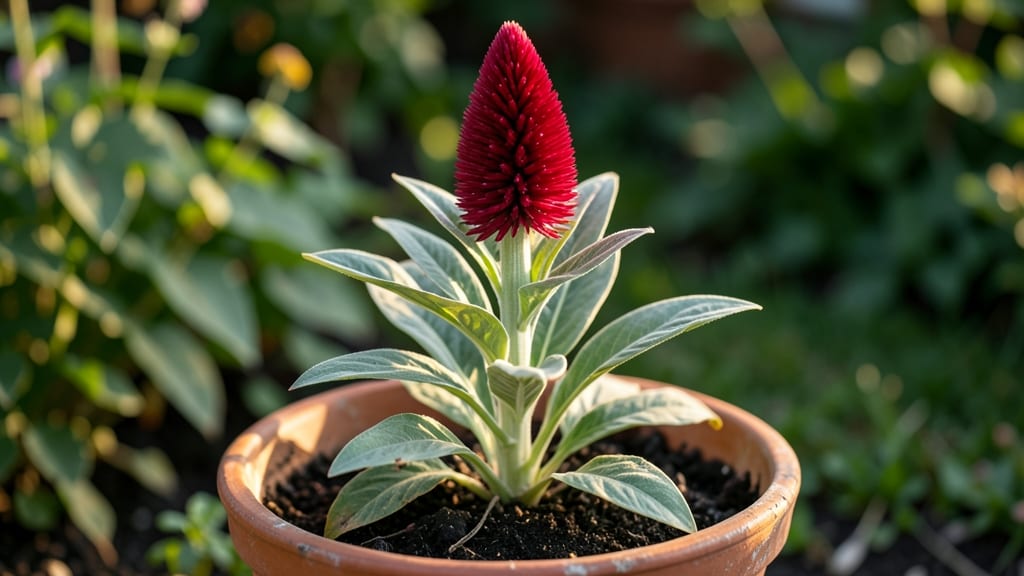
If you’ve ever wondered why some celosia flowers with varying height stretch toward the sky while others stay neatly contained in a pot, the answer lies in their natural growth patterns—and how you care for them.
These fiery blooms aren’t one-size-fits-all; their height can vary dramatically from just 6 inches to over 3 feet, depending on the variety and growing conditions.
Whether you’re dreaming of dramatic borders or compact container gardens, understanding these differences is the key to making the most of your space.
I’ll break down the tallest varieties perfect for adding height to your landscape and the dwarf types that thrive in small pots, so you can choose what works best for your garden style.
But here’s the thing: even the tallest celosia doesn’t have to become unruly. With the right pruning techniques, support, and a little strategic planting, you can control their growth and keep them looking their best all season long.
Let’s dive into how to get the perfect height for your garden—no matter how much (or little) space you have.
From sun exposure to soil prep, I’ll walk you through everything you need to know to grow celosia at just the right size. Ready to transform your garden with these vibrant blooms? Let’s get started.

Celosia flower height by variety: compact vs. tall growing types
When planning your garden, celosia flower height is one of the first factors to consider—especially if you're balancing space with bold, fiery blooms. Celosias come in three main types: plume celosia, cockscomb celosia, and wheat celosia, each offering different height ranges.
Some varieties stay under 12 inches, perfect for window boxes, while others soar to 3 feet, ideal for borders or cut flower arrangements.
Understanding these height variations helps you choose the right celosia for your garden design. Tall varieties create dramatic vertical accents, while dwarf types thrive in containers or small spaces.
Let’s explore the most popular varieties and their mature heights to help you make the perfect selection for your garden layout.
🌸
| Variety Type | Mature Height | Best For | Color Range |
|---|---|---|---|
| Plume Celosia (Dwarf) | 6–12 inches | Containers, window boxes, fairy gardens | Pink, red, yellow, orange, purple |
| Plume Celosia (Standard) | 18–24 inches | Borders, mixed beds, cut flowers | Deep red, magenta, gold, cream |
| Cockscomb Celosia | 12–24 inches | Dramatic focal points, borders, dried arrangements | Crimson, deep red, burgundy, gold |
| Wheat Celosia | 12–36 inches | Tall borders, cut flowers, dried arrangements | Golden yellow, bronze, copper |
| Plume Celosia (Tall) | 24–36 inches | Back of borders, cut flower arrangements | Bright orange, scarlet, lime green |
For small gardens or containers, dwarf plume celosias like 'Impala' or 'Tom Thumb' are my go-to choices—they stay under 12 inches but still pack a punch with their vibrant colors. These varieties are perfect for adding colorful accents to patios, balconies, or even indoor windowsills with plenty of sunlight.
If you're aiming for dramatic height, consider wheat celosia varieties like 'Golden Feather' or 'Copper Lustre', which can reach 3 feet or taller. These are excellent for creating vertical interest in your garden and work beautifully as cut flowers for bouquets that last weeks in a vase.
Cockscomb celosias, such as 'Fireworks' or 'Atrosanguineus', offer a unique cock’s comb shape and typically grow between 12–24 inches. They’re ideal for garden borders or as striking focal points in mixed beds, where their bold shapes contrast beautifully with other flowers.
When selecting celosia varieties, also consider their growth habits. Some, like 'Flame' series, grow in clumping mounds, while others like 'New Look' have upright stems. This difference affects how you’ll space them—12–18 inches apart for clumping types and 18–24 inches apart for taller, upright varieties.
For urban gardeners or balcony planters, I recommend mixing dwarf and semi-dwarf varieties in a single container. For example, pairing 'Tom Thumb' (6–12 inches) with 'Persian Carpet' (12–18 inches) creates a layered look that maximizes vertical space without overwhelming smaller areas.
Remember,
How to control celosia height: pruning and support techniques
Controlling celosia flower height is easier than you think, especially when you know the right techniques. Whether you're dealing with tall cockscomb varieties reaching 3 feet or compact plume celosias staying under a foot, pruning and support can make all the difference.
The key is timing—prune too early, and you might sacrifice blooms; wait too long, and your plants could flop over from heavy flower heads.
Start by understanding your celosia variety. Celosia cristata (cockscomb) tends to grow taller, while Celosia argentea (plume) often stays shorter. If you're growing in containers, dwarf varieties like 'Tom Thumb' or 'Impala' will naturally stay under 12 inches, but even these benefit from occasional pruning to encourage bushier growth.
For taller varieties, stakes or cages are your best friends.
⚠️ callout warning
Cutting back tall celosia stems more than one-third can stress the plant and reduce flowering. Instead, focus on pinching back tips to encourage branching. For support needs, use bamboo stakes or tomato cages—never overcrowd plants, as this leads to fungal diseases from poor airflow.
When it comes to pruning celosia for bushiness, the best time is just after the first set of blooms appears. Use clean, sharp pruning shears to snip just above a leaf node or set of leaves.
This encourages the plant to branch out, giving you more flowering stems and a fuller appearance. For taller varieties, prune selectively—remove only the tallest stems to maintain balance without sacrificing height.
Support is crucial for tall-growing celosia, especially in windy areas or when flower heads become heavy. Install stakes or cages early in the season, before the plant gets too top-heavy. For single-stemmed varieties, a bamboo stake tied gently with soft plant ties works well.
For multi-stemmed types, a cage or spiral stake provides better support without restricting growth. Avoid metal stakes, as they can heat up in the sun and damage delicate stems.
One common mistake gardeners make is overwatering, which can lead to weak stems that flop over. Celosias prefer well-draining soil and moderate moisture—water deeply but infrequently, especially during the blooming season.
Mulch around the base of your plants to retain moisture and keep roots cool, but avoid piling mulch against the stems, as this can cause rot. If you notice yellowing leaves or drooping stems, it’s a sign of overwatering or poor drainage.
Finally, don’t forget that celosia height can also be influenced by light exposure. While these plants thrive in full sun (6+ hours daily), they can become leggy if shaded. If you're growing them in containers, place them in the sunniest spot available.
For indoor cultivation, a south-facing window with supplemental grow lights can help maintain compact growth. With the right care, you’ll have vibrant, well-supported celosias that bloom beautifully all season long!