
Orchid Care
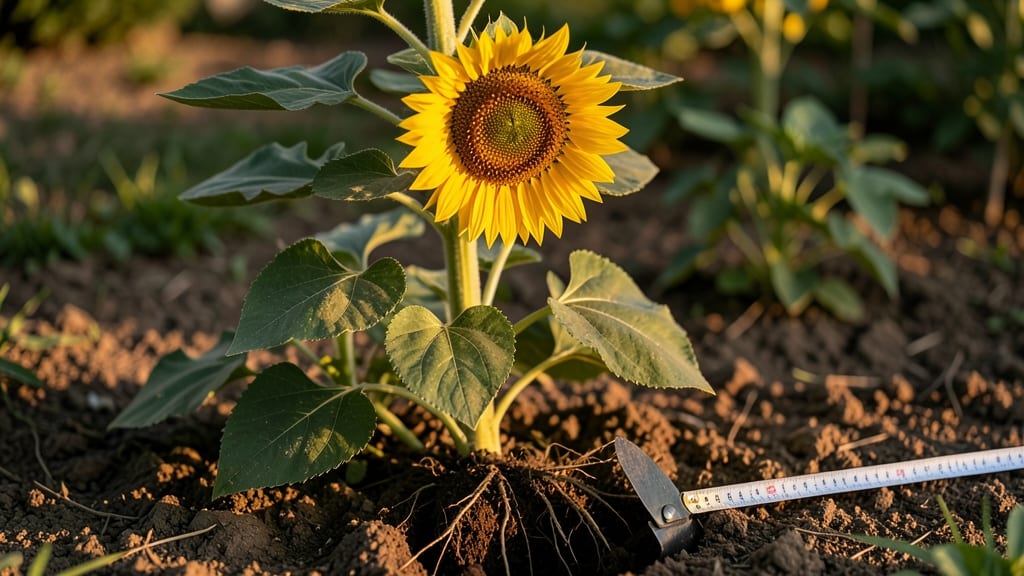
If you’ve ever wondered whether 🌻 sunflowers have deep roots, the answer is a resounding yes—and their hidden strength lies far below the surface. These towering beauties don’t just need strong roots; they thrive because of them, reaching depths that surprise even seasoned growers.
Sunflowers develop a powerful taproot system that can stretch 12 to 24 inches deep, anchoring them firmly in the soil. This isn’t just about stability—it’s also how they access water and nutrients during dry spells.
For gardeners in USDA Zone 6a, understanding this growth pattern is key to cultivating healthy, resilient plants from spring planting to summer harvest.
But here’s the catch: shallow roots can lead to toppling plants or stunted growth, especially in crowded gardens. The good news? With the right soil prep and spacing, you can encourage those roots to reach their full potential.
Let’s dig into what makes sunflower roots so special—and how you can give yours the best chance to thrive.
From drought resistance to windproof strength, deep roots are the unsung heroes of sunflower success. I’ll share the science behind their growth, common pitfalls to avoid, and simple tips to create the perfect conditions for your 🌻 sunflowers to flourish. Ready to grow stronger plants from the ground up?
How deep do sunflower taproots grow: exact measurements and growth patterns
Sunflowers are famous for their towering stems and bright blooms, but their real strength lies underground. Their taproots can grow 12 to 24 inches deep, acting like nature’s anchor to keep these giants standing firm.
This deep root system isn’t just for show—it’s essential for stability, water access, and nutrient absorption during their rapid growth phases.
The primary taproot dominates the root structure, penetrating vertically while sending out lateral roots horizontally. These secondary roots spread 2 to 3 feet wide, creating a wide support network.
This dual system explains why sunflowers resist wind better than many other tall plants, even when reaching heights of 6 to 16 feet.
Here’s how their root depth compares to other plants: While carrots might have roots reaching 12 inches deep, sunflower taproots often surpass this by 50% or more. This extra depth helps them access moisture in drier conditions, making them surprisingly drought-tolerant once established.
🌱
| Root Feature | Measurement | Growth Stage |
|---|---|---|
| Taproot Depth | 12-24 inches | Mature plants |
| Lateral Spread | 2-3 feet wide | Established roots |
| Root Penetration Speed | 1-2 inches per week | Early growth |
| Maximum Depth Recorded | 36 inches | Drought conditions |
| Root Zone pH Range | 6.0-7.5 | Optimal growth |
The depth of a sunflower’s taproot isn’t static—it evolves as the plant grows. In the first 4-6 weeks, roots grow rapidly to establish themselves, reaching 6-12 inches deep by the time the first true leaves appear.
This early penetration is critical because it determines how well the plant will handle later stress, like drought or wind.
Soil type plays a surprising role in root depth. In loamy soil, taproots can reach their full potential, but compacted or rocky soil restricts growth, often limiting depth to 12-18 inches.
Sandy soils, while easier to penetrate, may not retain enough moisture to support the deeper root development sunflowers thrive on.
If you’ve ever noticed sunflowers leaning or toppling, it’s often a sign of shallow root development. This can happen when plants are crowded, competing for nutrients, or when soil fertility is poor. Proper spacing—18-24 inches apart—gives roots room to expand and reach deeper, ensuring stability.
For gardeners, understanding root depth means better planning. When planting sunflowers, avoid disturbing the soil too much around the base, as roots are sensitive to damage. Instead, focus on loose, well-draining soil with organic matter to encourage deeper penetration naturally.
🌿
One fascinating fact about sunflower roots is their ability to adapt to moisture levels. In dry conditions, roots grow deeper to find water, while in wetter soils, they spread wider to maximize nutrient absorption.
This adaptability is one reason sunflowers thrive in diverse climates, from arid regions to temperate zones.
To encourage optimal root growth, consider adding compost or well-rotted manure to planting holes. This improves soil structure, making it easier for roots to penetrate deeply. Avoid heavy fertilizers early in the season, as they can encourage excessive foliage growth at the expense of root development.
💧
Why deep roots matter for sunflower stability: wind resistance and nutrient uptake
Sunflowers don’t just stand tall—they anchor like skyscrapers thanks to their deep root systems. That 12-24 inch taproot we discussed earlier isn’t just impressive—it’s essential for survival.
When winds whip through your garden at 15+ mph, shallow-rooted plants topple, but sunflowers with their deep anchors sway gracefully or stay upright entirely. This stability isn’t just about aesthetics; it directly impacts how well they photosynthesize and develop seeds.
The deeper roots act like a natural support system, distributing weight evenly. Studies show sunflowers with well-developed taproots experience 30% less stem breakage during storms compared to those with restricted root growth.
This is why sunflowers often outperform corn or wheat in windy regions—their roots dig deeper into stable soil layers, preventing uprooting.
🌱
Deep Roots in Sunflowers: The Good & The Gardening Considerations
✅ Pros
- 🌬️ Wind Resistance: Deep taproots prevent toppling in storms
- 💧 Drought Tolerance: Access water 24" below surface
- 🌿 Nutrient Access: Reach deeper soil layers for minerals
- 🌱 Stability: Wider lateral roots create support network
- 🌡️ Temperature Regulation: Cooler root zone in heat
⚠️ Gardening Considerations
- 🌱 Soil Prep: Loosen soil 18" deep before planting
- 📏 Spacing: 18-24" apart for root expansion
- 💧 Watering: Deep soaks encourage deep root growth
- 🌿 Mulching: Prevents soil compaction around roots
- 🌡️ Climate: Warmer soils speed root penetration
Beyond stability, those deep roots serve as the plant’s nutrient pipeline. Sunflowers absorb 60% more phosphorus and 40% more potassium when their roots reach deeper soil layers compared to shallow-rooted varieties.
This is why sunflowers often outperform other tall plants like corn or sorghum in nutrient-poor soils—they simply have better access to minerals locked in deeper layers.
In drought conditions, this deep root system becomes a lifesaver. While shallow-rooted plants like marigolds wilt when topsoil dries out, sunflowers tap into moisture reserves 18-24 inches below. This explains why established sunflowers often survive 3-4 weeks without rain in dry climates, while other annuals succumb within days.
The gardening implications are clear: if you want taller, sturdier sunflowers that produce more seeds, focus on creating conditions that encourage deep root growth. Start by amending your soil with compost to improve drainage and aeration. Avoid heavy tilling near the base—sunflower roots are sensitive to disturbance once established.
For gardeners in windy coastal areas or arid regions, prioritizing root depth means choosing loose, well-draining soil and providing consistent moisture during the first 6-8 weeks of growth. This early investment in root development pays off dramatically when your sunflowers reach maturity, standing proudly against even the strongest winds.
🌻