
Flowers
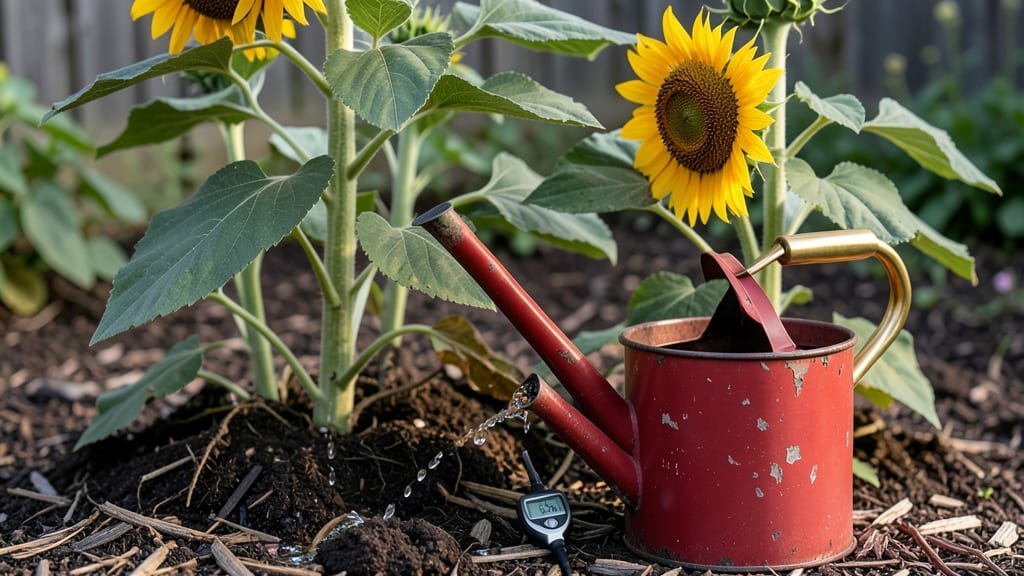
To keep your sunflowers thriving, you might be surprised to learn they don’t need how often sunflowers need to be watered—just the right amount at the right time.
These towering 🌻 beauties are actually drought-resistant once established, but getting their watering routine wrong can lead to floppy stems or weak blooms.
Most gardeners assume sunflowers need frequent watering, but the key is deep, consistent hydration. Young seedlings need more frequent watering, while mature plants can go longer between drinks. I’ll break down exactly how often to water based on your sunflower’s growth stage, soil type, and climate.
Overwatering is just as harmful as underwatering—yellowing leaves or wilting stems can signal trouble. The solution? Water at the base in the early morning and let the soil dry slightly between sessions. This simple habit saves time and keeps your sunflowers strong.
Whether you’re a beginner or a seasoned gardener, mastering the watering schedule will help you grow sunflowers that reach their full potential. Let’s dive into the secrets that make these plants so resilient.
Sunflower watering schedule: how often by growth stage (with soil depth secrets)
Sunflowers thrive on consistency, but their watering needs change dramatically as they grow—from delicate seedlings to towering giants. The key to success? Understanding soil moisture depth and adjusting your watering schedule to match each growth stage.
Overwatering can drown roots, while underwatering stunts growth or causes floppy stems. Let’s break down the science-backed approach to keep your sunflowers hydrated without wasting water.
Most gardeners make the mistake of watering sunflowers on a fixed schedule, but these plants need deep, infrequent watering to develop strong roots. The secret lies in monitoring soil moisture at 2-3 inches deep—this is where the majority of root activity happens.
When the top inch feels dry, it’s time to water, but don’t stop there. Aim for 1-1.5 gallons per plant to encourage roots to grow deeper, making your sunflowers more drought-resistant over time.
Here’s the comparison table that will transform your watering routine, tailored to each growth stage with precise soil depth targets:
During the seedling stage, sunflowers are most vulnerable to drying out or rotting. I’ve learned the hard way that mistakes here can set back growth for weeks. Use a spray bottle or gentle watering can to keep the soil evenly moist but never soggy.
Once seedlings have 2-3 true leaves, you can gradually increase water volume and spacing between waterings.
The vegetative stage is where sunflowers build their root systems, and this is your chance to train them to be drought-resistant. Water deeply—aim for 1 gallon per plant—and let the soil dry out slightly between waterings.
This encourages roots to grow downward rather than staying shallow. I’ve seen sunflowers with roots extending 3 feet deep when watered this way, making them far more resilient in dry spells.
When sunflowers enter the flowering stage, their water needs shift again. The buds and blooms are heavy, and the plant needs stability to support its height. Water at the base of the stem to avoid wetting the leaves, which can lead to powdery mildew.
Early morning is the best time to water, as it gives foliage time to dry before evening humidity sets in. This stage is also when you’ll see the biggest difference in plant health based on your earlier watering habits.
In the final seed development stage, sunflowers become surprisingly drought-tolerant. Once the flower petals wilt and the seed head turns brown, you can reduce watering by half. Overwatering now can cause the seeds to absorb too much moisture and rot inside the head.
Let the soil dry out more between waterings, and you’ll harvest plump, viable seeds ready for planting or bird feeders.
Pro tip: Use a soil moisture meter to track depth accurately, especially in sandy soils that drain quickly. In clay soils, you’ll need to water less frequently but more deeply.
And if you’re in a hot, dry climate, consider mulching with straw to retain moisture and keep roots cool. With this schedule, your sunflowers will grow tall, strong, and drought-resistant—just like the golden giants you’ve always dreamed of.
Signs of overwatering vs. underwatering sunflowers (and how to fix it)
Sunflowers 🌻 often show distress through their leaves and stems, but the symptoms of overwatering and underwatering can look surprisingly similar. The key difference? Overwatered sunflowers feel soggy at the base, while underwatered ones have dry, crispy soil.
I’ve seen both in my garden—let me break down the telltale signs so you can rescue your plants before it’s too late.
When sunflowers are overwatered, their leaves turn yellowish-green and feel mushy to the touch. The soil around the roots stays permanently damp, and you might even spot white mold or fungal growth near the stem.
This is your sunflower’s way of drowning—too much water cuts off oxygen, and the roots suffocate. The fix? Let the soil dry out completely between waterings and improve drainage with perlite or sand.
Underwatered sunflowers, on the other hand, show brown, crispy leaf edges and wilting even when the soil is dry. The stems may feel hollow when squeezed, and the leaves droop dramatically in the afternoon. Unlike overwatering, underwatering causes the plant to shut down to conserve moisture. The solution? Water deeply at the base of the plant in the early morning to mimic natural rainfall patterns.
⚖️ Watering Sunflowers: Pros & Cons
✅ DO:
- Water deeply (1-1.5 gallons per plant)
- Water at soil level, not the leaves
- Use morning watering to reduce evaporation
- Let soil dry slightly between waterings
- Add mulch to retain moisture
❌ DON'T:
- Water on leaves (causes fungal diseases)
- Use shallow watering (encourages weak roots)
- Water at night (promotes mildew)
- Overwater mature plants (they’re drought-tolerant)
- Ignore soil drainage (root rot risk)
Pro Tip: Stick your finger 2 inches into the soil—if it’s dry, water; if it’s damp, wait.
If your sunflower’s leaves are yellowing with green veins, it’s likely overwatered. Pull the plant gently—if the roots smell rotten or look black/mushy, you’ve got a case of root rot.
Trim away the damaged roots, repot in fresh, dry soil, and hold off on watering for a few days. For underwatered plants, give them a deep soak and monitor closely for recovery in the next 24-48 hours.
One trick I swear by? The “finger test”. Before watering, push your finger 2-3 inches into the soil. If it feels dry, it’s time to water. If it’s moist, wait another day.
This simple habit saves me from both overwatering and underwatering disasters. Sunflowers are forgiving, but consistency is key—especially during their first 6 weeks of growth.
Remember, mature sunflowers (over 3 feet tall) can handle longer dry spells than seedlings. Once they’re established, focus on deep, infrequent watering rather than daily light sprinkles. Your sunflowers will reward you with taller stems and bigger blooms when you nail their watering needs. Happy growing! 🌱