
Light Requirements
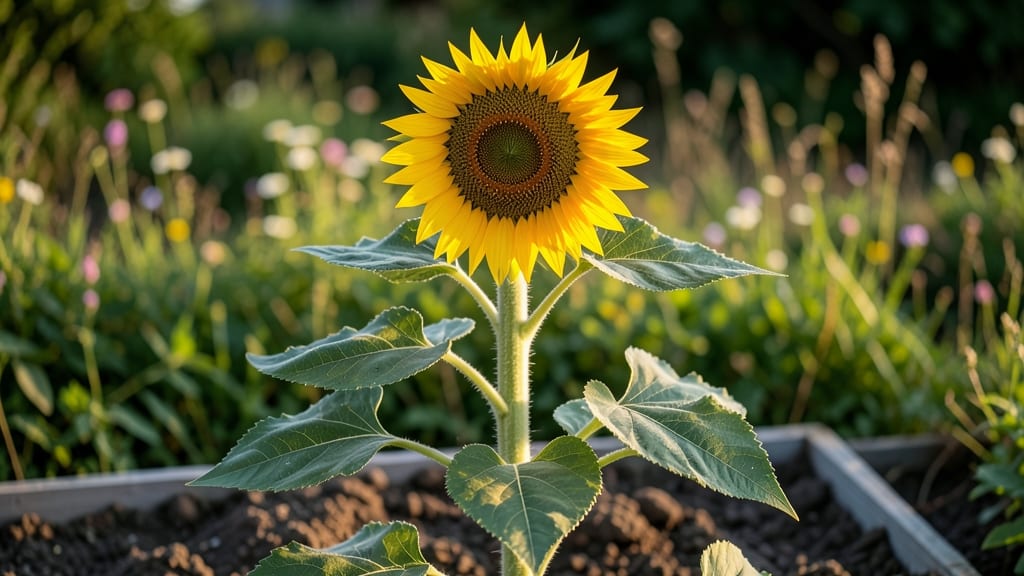
If you’ve ever planted sunflowers 🌻 only to watch them stretch tall and pale instead of bursting into vibrant blooms, you might be asking: do sunflowers really need sun? The short answer? Absolutely—but there’s a science to it that most gardeners overlook.
Sunflowers are sun-hungry plants, craving 6 to 8+ hours of direct sunlight daily to grow strong and produce those iconic, towering flowers. Without enough light, they’ll grow leggy, weak, and may even fail to bloom at all.
But here’s the good news: with a few simple adjustments, you can give your sunflowers the light they crave—even if your garden isn’t basking in full sun all day.
Whether you’re dealing with shade from trees, a north-facing yard, or just curious about how to maximize sunlight, I’ll break down exactly how much sun sunflowers need, what happens when they don’t get enough, and proven tricks to help them thrive. Let’s get those stems sturdy and those blooms bright!
From choosing the right variety for partial shade to tweaking your planting spot, you’ll discover how to turn even a less-than-sunny garden into the perfect home for happy, healthy sunflowers. Ready to unlock the secrets to sunflower success?

How much sun do sunflowers need to grow and bloom?
Sunflowers are famous for their love of sunlight, but just how much do they really need to grow strong and bloom spectacularly? The answer isn’t just about hours—it’s about intensity, timing, and variety.
While most sunflowers crave full sun, some varieties adapt better to partial shade. Understanding these nuances can mean the difference between a 10-foot giant and a leggy, weak plant struggling to reach its potential.
Sunflowers are heliotropic, meaning they follow the sun’s movement across the sky during early growth stages. This behavior isn’t just charming—it’s a survival strategy that demands bright, direct light to fuel their rapid growth.
Without enough sunlight, their stems stretch painfully thin, leaves pale, and blooms fail to develop properly. But here’s the catch: not all sunflowers have the same tolerance for shade.
Giant varieties like Mammoth Russian or Russian Giant can reach heights of 12-16 feet when given their ideal conditions—6-8+ hours of full sun daily. Dwarf varieties, such as Teddy Bear or Sunspot, are more forgiving, often thriving with 4-6 hours of sun and tolerating partial shade better.
The key lies in matching your sunflower type to your garden’s light conditions.
| Sunflower Type | Minimum Sunlight Needs | Optimal Sunlight | Shade Tolerance | Height Range |
|---|---|---|---|---|
| Giant Varieties (e.g., Mammoth Russian) | 6-8+ hours | Full sun (10+ hours ideal) | Poor (leggy growth, weak stems) | 12-16 feet |
| Standard Varieties (e.g., Autumn Beauty) | 6 hours | Full sun (8+ hours ideal) | Moderate (smaller blooms, slower growth) | 6-10 feet |
| Dwarf Varieties (e.g., Teddy Bear) | 4-6 hours | Partial sun (6+ hours ideal) | Good (compact growth, vibrant blooms) | 1-3 feet |
| Container-Grown Sunflowers | 5-6 hours | Full sun (rotate pots for even light) | Poor (stunted growth in shade) | 3-8 feet (depends on variety) |
🌻 Note: Even shade-tolerant varieties produce larger, healthier blooms with more sunlight.
The science behind sunflower sunlight needs boils down to photosynthesis efficiency. Sunflowers have a high demand for energy to produce their massive flower heads and towering stems. When deprived of sufficient light, they prioritize stem elongation over flower development, leading to tall, weak plants with small, underdeveloped blooms.
This is why giant varieties often flop over or fail to bloom entirely in shady spots.
Timing matters just as much as duration. Sunflowers benefit most from sunlight during their active growth phase, which typically runs from seedling to early flowering. Morning sun is especially critical, as it helps dry dew quickly, reducing the risk of fungal diseases like powdery mildew.
If your garden lacks natural sunlight, consider using reflective surfaces (like white walls or mirrors) to bounce extra light onto your sunflowers.
For gardeners in northern climates or urban areas with limited sunlight, the solution isn’t always to give up on sunflowers. Instead, opt for dwarf or semi-dwarf varieties and place them in the sunniest spot available, even if it’s only a few hours daily.
Pair them with taller plants on the north side to avoid shading competition. Containers can also be moved throughout the day to follow the sun’s path.
One common misconception is that sunflowers can thrive in partial shade without any compromise. While they may survive, their growth will be subpar.
For example, a Russian Giant sunflower in partial shade might only reach 6 feet instead of its potential 14 feet, with blooms that are half the size and less vibrant. The trade-off isn’t worth it for most gardeners aiming for show-stopping displays.
If you’re growing sunflowers in containers or small spaces, prioritize varieties like Little Becka or Sunrich Orange, which tolerate slightly less light but still reward you with cheerful blooms.
Even in these cases, aim for at least 5 hours of direct sun daily to ensure healthy growth. Rotate containers regularly to prevent uneven sunlight exposure, which can cause lopsided growth.
To maximize your sunflowers’ sunlight exposure, start by planting them in the southernmost part of your garden. Avoid planting them under trees or near structures that cast long shadows.
If your yard is divided into shady and sunny sections, use the sunny areas for your tallest varieties and reserve shadier spots for dwarf or bush types. This zoning strategy ensures every sunflower gets the light it needs to thrive.
Remember, sunflowers aren’t just about height—they’re about vibrant blooms and robust stems. By matching your sunflower variety to your garden’s light conditions and providing the right amount of sunlight, you’ll unlock their full potential. Whether you’re growing a 1
Signs your sunflowers aren’t getting enough sun (and how to fix it)
Sunflowers 🌻 are like sunbathing superstars—they stretch toward the light with almost dramatic flair. But when they don’t get enough sun, their behavior changes dramatically. If your sunflowers are growing tall and spindly with pale leaves or refusing to bloom, sun deprivation is likely the culprit.
These signs are your garden’s way of saying, "We need more light!"
Even experienced gardeners sometimes miss the subtle clues that their sunflowers aren’t getting the 6-8 hours of direct sunlight they crave daily. Without enough light, sunflowers prioritize stem growth over flower production, leaving you with lanky stalks instead of the towering beauties you envisioned.
Let’s explore the telltale signs and how to fix them.
⚠️ callout-warning
Sunflowers are full-sun plants, meaning they need at least 6 hours of direct sunlight daily. Without it, they’ll:
- Grow leggy and weak (stems stretch toward light)
- Develop pale, yellowing leaves (chlorosis)
- Produce smaller, fewer blooms (or none at all)
- Become prone to pests/diseases (weakened immunity)
One of the first signs your sunflowers aren’t getting enough sun is leggy, weak stems. When sunlight is scarce, they’ll stretch dramatically toward any available light, often growing 3-4 feet taller than normal.
This isn’t just unsightly—it makes them more prone to toppling over in wind or storms. If your sunflowers look like they’re reaching for the sky, it’s time to reassess their location.
Another red flag is pale or yellowing leaves, a condition called chlorosis. Sunflowers need sunlight to produce chlorophyll, the green pigment that helps them convert light into energy. Without enough sun, leaves lose their vibrant green color and may even develop brown spots.
Check the undersides of leaves—if they’re pale or yellow, your sunflowers are begging for more light.
Delayed or missing blooms are perhaps the most frustrating sign of sun deprivation. Sunflowers require plenty of sunlight to trigger flowering. If your plants are putting all their energy into growing tall stems but producing tiny buds or no flowers at all, they’re not getting enough light.
Even if they eventually bloom, the flowers will be smaller and less vibrant than they could be with proper sunlight.
To fix these issues, start by moving your sunflowers to a sunnier spot. If your garden has limited sunlight, consider container gardening and placing pots in the sunniest area of your yard or even on a south-facing balcony.
You can also use reflective surfaces, like white walls or mirrors, to bounce extra light onto your plants. For shade-loving varieties, choose dwarf sunflowers that tolerate partial shade better.
Finally, if you’re planting sunflowers in partial shade, space them closer together (about 6 inches apart) to create a microclimate that traps more light. Avoid overcrowding, though—sunflowers still need good airflow to prevent fungal diseases.
With these adjustments, you’ll help your sunflowers grow stronger, bloom brighter, and reach their full potential. 🌻