
Orchid Care
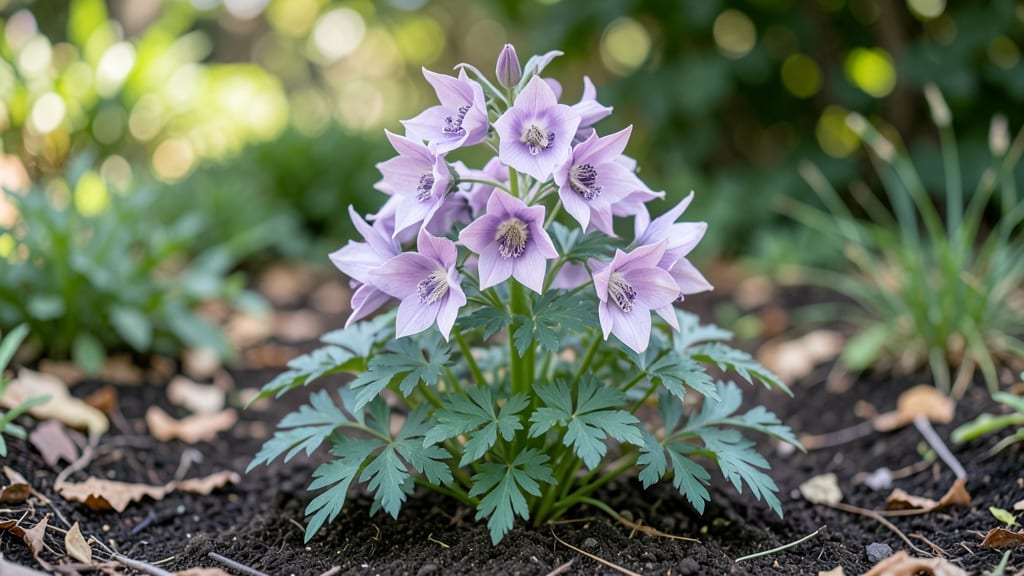
Double flowered columbine 🌸 isn’t just another pretty face in the garden—it’s a game-changer for long-lasting color and effortless charm. These stunning hybrids produce double the blooms of their single-flowered cousins, turning your spring and summer into a nonstop floral show with minimal fuss.
What makes them so special? Unlike fussy annuals, these hardy perennials thrive in USDA Zone 6a and beyond, happy in partial shade where other plants struggle. Plant them in early spring or late summer, and you’ll get repeat blooms from spring through fall—no deadheading required.
But here’s the catch: not all double flowered columbine varieties are created equal. Some need well-draining soil to avoid root rot, while others crave a little extra moisture.
I’ll walk you through the key differences—from soil prep to sunlight secrets—to ensure your plants grow lush, healthy, and packed with those iconic, layered blooms.
Ready to transform your garden into a pollinator paradise? Let’s dive into the easiest way to grow these showstoppers—without the guesswork.
How to choose and plant double flowered columbine varieties for maximum blooms
Double flowered columbine varieties like 'Blue Bird' and 'Queen of Hearts' produce lush, layered blooms that last longer than their single-flowered cousins. The key to maximizing their floral display starts with selecting the right cultivar for your climate and garden style.
These hybrids thrive in partial shade but can also handle morning sun, making them versatile for various garden spots.
When choosing varieties, prioritize those bred for repeat blooming and disease resistance. 'Jack Frost' offers striking white blooms with green centers, while 'Songbird Series' delivers vibrant colors in compact forms. Always check your USDA hardiness zone—most double flowered columbines perform best in zones 3-8.
| Variety | Color Palette | Height | Bloom Time | Special Notes |
|---|---|---|---|---|
| 'Blue Bird' | Deep blue with white centers | 18-24 inches | Spring to early fall | Drought tolerant; attracts hummingbirds |
| 'Queen of Hearts' | Pink with red centers | 15-18 inches | Late spring to frost | Compact growth; great for borders |
| 'Jack Frost' | Pure white with green centers | 20-24 inches | Spring to summer | Cold hardy; long vase life |
| 'Songbird Series' | Multi-color mixes | 12-18 inches | Spring to fall | Dwarf varieties; ideal for containers |
For optimal placement, choose a location with well-draining soil and partial afternoon shade to prevent wilting. Heavy clay soils can suffocate roots, so amend with compost or sand before planting. Test your soil's pH—columbines prefer neutral to slightly acidic soil (6.0-7.0)—and adjust with lime or sulfur if needed.
When planting, space double flowered columbines 12-18 inches apart to allow air circulation and prevent fungal diseases. Dig holes twice as wide as the root ball but only as deep as the container's base.
Gently remove plants from containers and tease apart any root-bound roots before placing them in the soil.
Mulch around the base with 2-3 inches of organic mulch like shredded bark to retain moisture and suppress weeds. This also helps regulate soil temperature, which is crucial for repeat blooming. Water thoroughly after planting to eliminate air pockets and encourage root establishment.
Companion planting can enhance your columbine display while deterring pests. Pair them with salvia, lavender, or catmint to create a pollinator-friendly border. These plants share similar growing conditions and repel common columbine pests like aphids and slugs.
In cooler climates, plant double flowered columbines in early spring (after the last frost) to establish strong roots before summer heat. In warmer regions, opt for late summer planting to avoid stress during hot months. Always water deeply after planting to help roots penetrate the soil.
To encourage maximum blooms, avoid over-fertilizing with high-nitrogen products, which promote leafy growth at the expense of flowers. Instead, use a balanced 5-10-10 fertilizer in early spring and again after the first flush of blooms. This approach supports both foliage and floral production without causing leggy growth.
Double flowered columbines self-seed readily, so consider deadheading spent blooms if you want to control their spread. However, leaving some seed heads adds winter interest and attracts birds. With proper placement and care, these varieties will reward you with continuous blooms from late spring through fall.
Step-by-step care guide: watering, pruning, and fertilizing for continuous blooms
Once your double flowered columbine is planted, the real magic happens in the care routine. Unlike high-maintenance annuals, these perennials reward consistency with months-long blooms. The secret? A balanced approach to watering, pruning, and fertilizing that mimics their natural growing conditions.
Overwatering or skipping deadheading are the fastest ways to shorten their bloom time—so let’s fix that.
Your double flowered columbine thrives on moderate moisture, not soggy soil. The key is deep watering that encourages strong root growth. In USDA Zone 6a, I water mine every 7-10 days during spring and fall, but increase to 5-7 days in summer heat.
Always water at morning to prevent fungal risks from evening dampness.
Here’s how to keep your columbine blooming nonstop with minimal effort:
- Step 1: Water deeply once weekly in spring/fall, every 5-7 days in summer. Use 1 quart per plant to saturate roots.
- Step 2: Deadhead faded blooms by pinching stems 1 inch below the flower head. This redirects energy to new growth and extends blooming by 4-6 weeks.
- Step 3: Apply balanced fertilizer (5-10-10) in early spring and late summer—never in winter. Use 1 tbsp per plant mixed into topsoil.
- Step 4: Prune leggy stems in late summer to encourage bushier growth. Cut back 1/3 of the plant to maintain shape and prevent flopping.
- Step 5: Mulch with 2 inches of compost in spring to retain moisture and suppress weeds. Avoid thick layers that smother roots.
One of the biggest mistakes I see is over-pruning in early spring. Your columbine stores energy in its roots—cutting back too early can delay blooming. Instead, wait until after the first flush of flowers appears before pruning.
For drought tolerance, let the soil dry slightly between waterings once established; wilting is normal but recover quickly.
For organic fertilizer, I swear by fish emulsion in spring and compost tea in summer. These gentle options avoid the burn risk of synthetic fertilizers while providing the nitrogen and phosphorus needed for lush foliage and blooms. Always water before and after applying to protect roots.
With this routine, your double flowered columbine will reward you with continuous blooms from May through October—no black thumb required! 🌸